
Scabies Relief: Stop the Itch in its Tracks
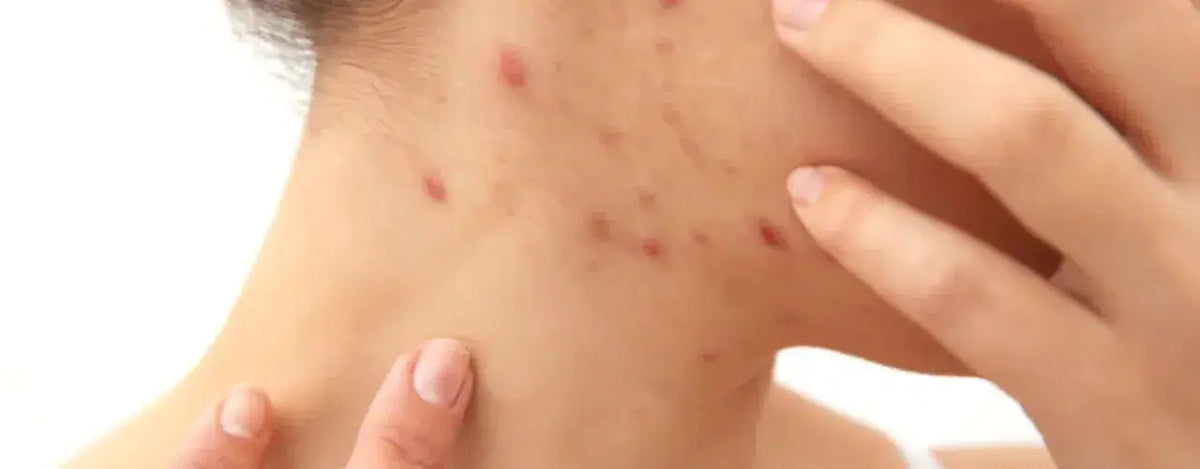
Scabies is a contagious skin condition caused by tiny mites called Sarcoptes scabiei. The mites burrow under the skin and lay eggs, triggering an intensely itchy, blistering rash. It is not dangerous, but it is uncomfortable and spreads easily through close contact.

What Causes Scabies
Scabies is caused by Sarcoptes scabiei var. hominis, mites barely visible to the eye. They burrow into the top layer of skin to live and lay eggs. The mites themselves cause little direct harm, but the body's immune reaction to them produces the rash and itching.

How Scabies Spreads
The main route is direct, prolonged skin-to-skin contact, which is why it commonly spreads through sexual activity, close household contact, and crowded settings such as daycares, nursing homes, and prisons. Less commonly, it can pass through shared bedding, clothing, or towels, since the mites can survive a short time off the body.
A few things to keep in mind: casual contact like handshakes or hugs rarely spreads scabies, pets cannot pass on human scabies, and it is not airborne, so it does not spread through coughing or sneezing.

Symptoms of Scabies
Common signs include:
- Intense itching, often worse at night or after a hot shower.
- Tiny red bumps or blisters, typically on the hands, wrists, elbows, armpits, genitals, and buttocks, and between the fingers and toes.
- Thin burrow lines created by mites tunnelling under the skin.
- Scabs or crusting from scratching, which can signal a secondary infection.
In some cases scabies may also cause fever, fatigue, and swollen lymph nodes. See a dermatologist if you notice these symptoms.

Treatment
Scabies is very treatable. Treatment is prescribed by a doctor and usually starts with topical medicated creams or lotions:
- Permethrin cream (5%): the most common option, applied once or twice.
- Crotamiton cream (10%): applied twice, 24 hours apart.
- Sulfur ointment (5%): applied daily for 3-5 days, and considered safe in pregnancy and breastfeeding.
- Ivermectin (oral): used for severe cases or when topical treatment fails.
To ease symptoms, doctors may suggest antihistamines or a short course of topical steroids for inflammation. Soothing measures like cool compresses, oatmeal baths, loose clothing, and gentle aloe vera or panthenol can provide relief while the skin heals. Wash all bedding, clothing, and towels in hot water to prevent reinfection.

Prevention
The key to prevention is avoiding close skin-to-skin contact with anyone who has scabies, and treating all close contacts and household members at the same time, even if they have no symptoms. Practice good hygiene: wash hands often, launder clothes, towels, and bedding regularly in hot water, avoid sharing personal items, and keep frequently touched surfaces clean. Choosing gentle products for sensitive skin can help while the skin recovers.

When to See a Dermatologist
Early diagnosis and treatment prevent complications and stop scabies from spreading. For consultation, visit the Derma & Dental Clinic in Bahria Town, Lahore, or call/WhatsApp +92 320 5999650.
 Snail Mucin for Skin: Benefits, How to Use It & the Best Products in Pakistan
 K-Beauty 101: The Science Behind Korean Skincare's Global Rise
 Under-Eye Dark Circles: Causes & Treatments That Actually Work
 Fungal Skin Infections in Pakistan: Ringworm, Jock Itch & Athlete's Foot