
Sebaceous Hyperplasia: Harmless Bumps or Cosmetic Concern
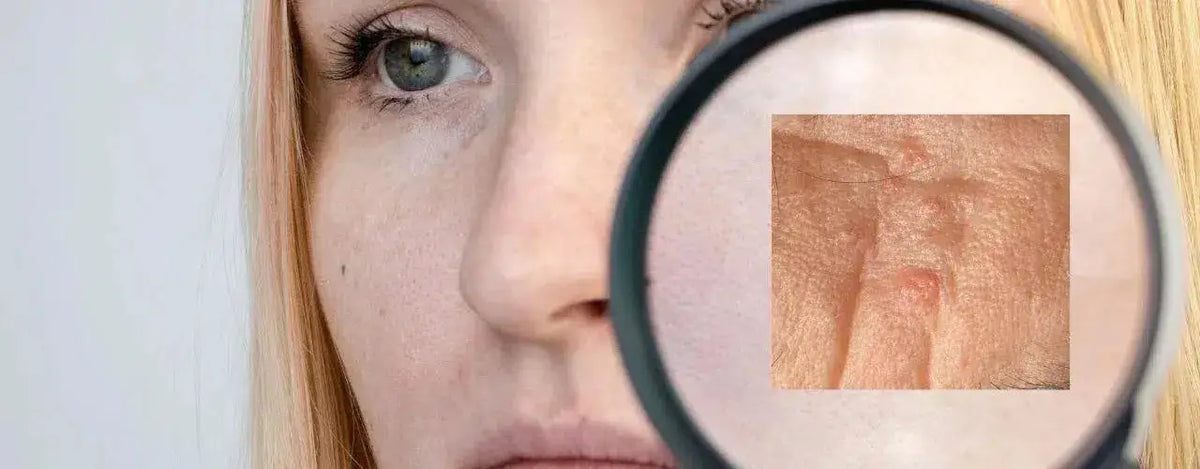
Sebaceous hyperplasia is a common, harmless skin condition that causes small, waxy bumps when sebaceous (oil) glands enlarge. The bumps appear most often on the face, including the forehead, nose, and cheeks, but can also show up on the chest, back, and shoulders. They are usually under 5 mm, white, yellow, or flesh-colored, with a slightly rough texture, and are typically painless and not itchy.
Causes
The exact cause isn't fully understood, but several factors contribute:
Hormonal Changes
Androgens such as testosterone stimulate oil production, so fluctuations during puberty, pregnancy, menopause, or with certain medications can trigger overproduction. Other hormones, including insulin, thyroid-stimulating hormone (TSH), and hydrocortisone, may also play a role.
Genetics
A family history of enlarged sebaceous glands raises your likelihood of developing the condition.
Aging
It becomes more common after 40-50, as shifting androgen levels disrupt the normal turnover of cells within the glands.
Other Factors
Some medications (for example, cyclosporine) and sun exposure have been linked to sebaceous hyperplasia, though their roles are less clear.

Symptoms
The hallmark is small, waxy bumps, 1-5 mm in diameter, that are flesh-colored, white, or slightly yellow, sometimes with a central dimple. They have a rough texture, can appear singly or in clusters, grow slowly, and tend to persist. They may bleed if picked at, irritated, or shaved over. Because they can resemble acne, milia, or basal cell carcinoma, a professional diagnosis is important if you are unsure.
Common Variations
There is no strict classification, but variations include facial papular (small rounded bumps on the forehead, nose, and cheeks), flat (smoother bumps on the chest, back, and shoulders), giant (larger than 5 mm), pedunculated (on a small stalk, often on the eyelids or neck), and sebaceous adenoma (a rarer, larger dome-shaped lump). All are variations of the same harmless condition.
Diagnosis
Diagnosis usually starts with a clinical examination of the bumps' size, color, texture, and location. A dermatologist may use a dermoscope for a closer look, and in rare cases a small biopsy can confirm the diagnosis if another condition is suspected.
Treatment
Treatment is optional and usually pursued for cosmetic reasons.
Topical Options
Topical retinoids (such as tretinoin) promote skin-cell turnover and can gradually shrink the bumps with regular use. Gentle salicylic acid helps unclog pores and remove excess sebum in milder cases. A chemical peel with acids like glycolic acid can also exfoliate and reduce their appearance.
Professional Procedures
In-clinic options include electrocautery (an electrical current to remove individual bumps), cryotherapy (freezing with liquid nitrogen), laser therapy to target the glands, and microdermabrasion for milder cases. Each has trade-offs in cost, precision, and recovery, so a professional can help you choose.
Other Considerations
Oral isotretinoin (used for severe acne) can help in stubborn cases but carries significant side effects and needs close monitoring. Evidence for home remedies is limited. Because the condition can recur, a consistent skincare routine and follow-ups may be needed.
Book a Consultation
Derma & Dental Clinic in Bahria Town, Lahore offers experienced dermatology care and a range of medical-grade procedures for concerns like sebaceous hyperplasia. Book a consultation online at Dermatology.pk, via WhatsApp at 923205999650, or by phone at 03041115000.
 Snail Mucin for Skin: Benefits, How to Use It & the Best Products in Pakistan
 K-Beauty 101: The Science Behind Korean Skincare's Global Rise
 Under-Eye Dark Circles: Causes & Treatments That Actually Work
 Fungal Skin Infections in Pakistan: Ringworm, Jock Itch & Athlete's Foot