
The Ultimate Dandruff FAQ: Your Pocket Guide to a Flake-Free Life
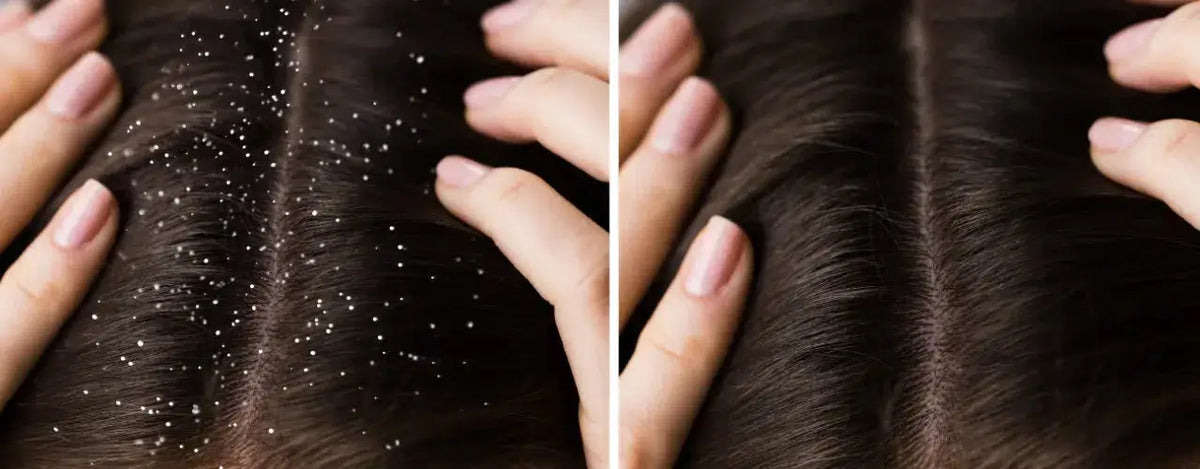
Dandruff is one of the most common scalp concerns — and one of the most manageable. This guide explains what causes those flakes, how to recognize the symptoms, and the treatments and habits that keep your scalp healthy and flake-free.
What Is Dandruff?
Dandruff, medically known as pityriasis simplex capillitii, is the shedding of dead skin cells from the scalp. These cells clump together into visible white or yellow flakes in the hair and on clothing.
What Causes Dandruff?
Excess Natural Oils
The scalp produces sebum to keep hair and skin healthy, but too much sebum creates an ideal environment for a yeast-like fungus called Malassezia. As it feeds on the oil, it can irritate the scalp, triggering inflammation and faster shedding of skin cells.
Irregular Scalp Hygiene
Poor hygiene alone rarely causes dandruff, but infrequent or improper washing lets dead cells, oil, and dirt build up — giving Malassezia room to flourish and worsening flaking.
Underlying Skin Conditions
Seborrheic dermatitis — red, itchy, flaky skin in oil-rich areas — is closely linked to dandruff and can intensify symptoms through inflammation and faster skin-cell turnover.
Signs and Symptoms
Dandruff usually shows up as white or yellowish flakes on the scalp, hair, and shoulders, often alongside an itchy scalp, dryness, irritation, or a greasy, oily appearance. Some people also notice redness, scalp sensitivity, mild odor, or recurring flare-ups during stress or seasonal changes.

Dandruff vs. Other Scalp Conditions
It is worth distinguishing dandruff from conditions that look similar: psoriasis produces thicker, silvery scales that can extend beyond the hairline; tinea capitis is a fungal infection causing redness, itching, and sometimes bald patches; and allergic or contact reactions to hair products can also cause flaking and irritation.
How to Treat Dandruff
Anti-Dandruff Shampoos
Over-the-counter anti-dandruff shampoos are the first line of defense. Look for active ingredients such as zinc pyrithione (reduces yeast and slows cell turnover), selenium sulfide, ketoconazole (antifungal), or salicylic acid (exfoliates dead skin cells).
Natural Remedies
Gentler options include tea tree oil diluted in a carrier oil for its antifungal action, aloe vera to soothe irritation, diluted apple cider vinegar to rebalance scalp pH, and warm coconut oil to moisturize and curb fungal growth.
Prescription Treatments
For stubborn cases, a dermatologist may prescribe stronger medicated shampoos, short courses of topical steroids to calm inflammation, or antifungal creams that target the fungus directly.
Supportive Lifestyle Changes
Regular washing with a mild medicated shampoo, a balanced diet rich in zinc, B vitamins, and healthy fats, and stress management all help keep flare-ups under control.
How to Prevent Dandruff
Prevention comes down to consistency: shampoo regularly with a suitable anti-dandruff product and rinse thoroughly, eat a nutrient-rich diet and stay hydrated, manage stress, and be gentle with your scalp. Avoid tight hairstyles, limit heat styling and heavy product buildup, protect your scalp from harsh weather, and check it regularly for persistent redness or irritation.
When to See a Dermatologist
If flaking, itching, or redness persists despite a good routine, a dermatologist can identify any underlying condition and tailor a treatment plan. For persistent scalp concerns, you can book a consultation at Skin Clinic, Lahore.
Conclusion
A healthy scalp is well within reach. Combine the right anti-dandruff products with simple natural remedies and consistent scalp care, and seek professional advice when needed. Explore the full range of shampoos and scalp care at Derma.pk.
 Snail Mucin for Skin: Benefits, How to Use It & the Best Products in Pakistan
 K-Beauty 101: The Science Behind Korean Skincare's Global Rise
 Under-Eye Dark Circles: Causes & Treatments That Actually Work
 Fungal Skin Infections in Pakistan: Ringworm, Jock Itch & Athlete's Foot