
Adapalene Acne Treatment: A Complete Guide to Clearer Skin
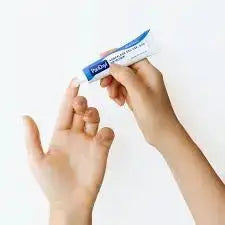
Are you struggling with persistent acne or concerned about early signs of aging? Adapalene is a widely trusted topical retinoid designed to combat acne effectively while offering skin renewal benefits. From adapalene gel formulations like Differin gel to adapalene cream, this guide covers the essentials you need to know about adapalene acne treatment. Whether you're new to adapalene 0.1 or curious about combination products like adapalene benzoyl peroxide gel, understanding how this retinoid works can help you achieve clearer, healthier skin. Let's explore adapalene's uses, types, benefits, side effects, and how it stacks up against other retinoids.
Understanding Adapalene: What It Is and How It Works

What is Adapalene?
Adapalene is a third-generation topical retinoid primarily used for treating acne vulgaris. It is a synthetic derivative of vitamin A that promotes skin cell turnover and reduces inflammation. Available in several formulations including adapalene gel 0.1%, adapalene cream, and differentiating brands like Differin gel and adaferin gel, adapalene has become a popular first-line treatment for mild to moderate acne. It is an external use only topical medication that can be applied once daily to help treat acne effectively.
Mechanism of Action
Adapalene targets the root causes of acne by normalizing the shedding of dead skin cells within hair follicles, preventing clogged pores or microcomedone formation. Additionally, as an adapalene retinoid, it exerts anti-inflammatory effects by suppressing mediators of inflammation, which helps reduce redness and swelling in acne lesions. Its stability under light exposure allows for daytime use, which is a distinct advantage over other retinoids. When using adapalene, it is important to follow medical advice and use protective clothing or sunscreen to prevent sunburn, since treated skin may be more sensitive to sunlight.
Types of Adapalene Products
Common Formulations Available
Adapalene is available in various topical forms designed to suit different skin types and preferences:
- Adapalene Gel 0.1%: A lightweight gel often recommended for oily or acne-prone skin due to its non-comedogenic properties.
- Adapalene Cream: Cream formulations are typically more moisturizing, making them suitable for dry or sensitive skin.
- Combination Products: Adapalene and benzoyl peroxide gel combines the exfoliating power of adapalene with the antibacterial and acne-fighting properties of benzoyl peroxide, such as in Epiduo® or generic adapalene benzoyl peroxide gel.
- Brand Variants: Differin gel and Differin cream are popular brand-name versions containing adapalene, while adaferin gel is a common generic alternative.
Choosing the Right Product
When selecting an adapalene product, consider your skin type and acne severity. For example, adapalene gel 0.1 often suits oily skin, while creams provide extra hydration for drier skin types. Combination gels with benzoyl peroxide may offer faster results but can increase irritation risk, so skin acclimation is important. Always consult your pharmacist or healthcare provider for medical advice if you are unsure about which adapalene formulation is best for you or if using adapalene in children.
Benefits of Using Adapalene for Acne and Anti-Aging
Effective Acne Treatment
Adapalene gel and cream formulations help reduce acne lesions by:
- Preventing clogged pores and formation of new comedones
- Reducing inflammation linked to pimples and cystic acne
- Promoting faster healing of existing acne
Clinical studies often highlight adapalene 0.1 as providing a balance of efficacy with improved skin tolerability compared to tretinoin or tazarotene.
Additional Skin Benefits and Anti-Wrinkle Properties
Beyond acne, adapalene has been used off-label for early wrinkle treatment and photoaging. By boosting collagen production and normalizing epidermal cell growth, adapalene retinoid therapy can improve skin texture and reduce fine lines with consistent use over time.
Potential Side Effects and How to Minimize Them
Common Side Effects
Adapalene's most common side effects include:
- Redness and skin irritation, especially during initial weeks
- Dryness and peeling
- Skin burning or stinging sensation
- Increased sensitivity to sunlight
These side effects often subside as the skin adjusts. Using a gentle cleanser, moisturizing regularly, and applying sunscreen help minimize irritation. It is important to wash your hands before and after applying topical adapalene to avoid irritation on other skin areas.
How to Use Adapalene Safely
Start with a pea-sized amount applied once daily to clean, dry skin, avoiding sensitive areas such as eyes and lips. For combination products like adapalene and benzoyl peroxide gel, follow directions closely to avoid overuse. If irritation persists, reduce application frequency or consult a dermatologist. If you miss a dose, apply it as soon as you remember unless it is near the time for your next dose—do not double up.
Adapalene vs. Other Retinoids: Key Differences
Adapalene Compared to Tretinoin
While both adapalene and tretinoin are effective topical retinoids, adapalene is generally better tolerated with fewer irritation issues. Tretinoin may offer slightly faster results but can cause more redness, peeling, and photosensitivity, requiring patients to use with caution.
Adapalene vs. Tazarotene and Other Retinoids
Tazarotene is known for high potency but often leads to greater skin irritation than adapalene. Adapalene retinoid's stability to light makes it easier to use during the day, whereas tretinoin and tazarotene are photolabile. Newer retinoids like trifarotene offer exciting options but adapalene remains a gold standard due to efficacy and tolerability.
Tips to Maximize Your Results with Adapalene
Best Practices for Application
- Apply a thin layer after cleansing, preferably at night unless advised otherwise
- Use a moisturizer to reduce dryness and irritation
- Avoid use with harsh skincare products that contain alcohol or exfoliants
- Wear broad-spectrum sunscreen daily to protect treated skin from UV damage

When to Expect Results and When to Seek Help
Most people see improvement in acne within 8 to 12 weeks of consistent adapalene use. Sometimes acne may worsen initially—a process called "retinization"—which should improve shortly. If severe irritation, an allergic reaction, or skin rash occurs, stop use and consult a healthcare provider promptly. In emergency room situations, extreme skin reactions should be addressed immediately.
Frequently Asked Questions
What does adapalene do to you?
Adapalene works by increasing skin cell turnover and reducing inflammation, which helps clear acne lesions and prevents new breakouts. It also improves skin texture and can reduce signs of aging with continued use.
Is adapalene 0.3 too strong?
Adapalene 0.3% is a higher-strength formulation generally prescribed for more severe acne. It may cause increased dryness or irritation, so it should be used under medical advice and with careful skin monitoring.
In summary, adapalene offers a scientifically backed approach to treating acne and signs of skin aging with multiple product options like adapalene gel, adapalene cream, and combination gels with benzoyl peroxide. Its unique formulation ensures effective results with fewer side effects compared to many other retinoids. Whether you choose Differin adapalene gel or generic alternatives such as adaferin gel, following proper usage and skin care habits will maximize your benefits. Explore adapalene treatments today to pave the way for clearer, healthier skin.
 BioAqua Sheet Masks in Pakistan: Pick the Right One for Your Skin (2026)
 Best Budget Body Sprays & Deodorants in Pakistan: Smell Fresh for Less
 Snail Mucin for Skin: Benefits, How to Use It & the Best Products in Pakistan
 K-Beauty 101: The Science Behind Korean Skincare's Global Rise