
Benzoyl Peroxide: How It Works to Effectively Treat Acne Problems
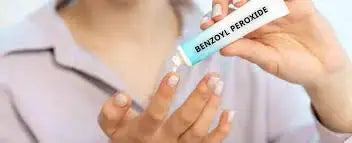
Benzoyl peroxide is one of the most trusted ingredients for treating acne, backed by decades of dermatological research. Whether you're dealing with mild breakouts or more persistent inflammatory acne, benzoyl peroxide cream, gel, or wash can effectively target acne-causing bacteria and help clear your skin. This guide explores how benzoyl peroxide works, the different types available, how to use it safely, and how it compares with other acne treatments to help you get the best results.
What Is Benzoyl Peroxide and How Does It Treat Acne?

Mechanism of Action
Benzoyl peroxide works primarily as an antibacterial agent that targets Cutibacterium acnes (formerly Propionibacterium acnes), the bacteria responsible for most inflammatory acne. It releases oxygen when it comes into contact with skin, creating an environment hostile to anaerobic bacteria. This effectively reduces bacterial colonization in pores, decreasing inflammation, redness, and the formation of new pimples. Unlike antibiotics, benzoyl peroxide does not contribute to antibiotic resistance, making it a sustainable long-term treatment option.
Additional Mechanisms
Beyond its antibacterial properties, benzoyl peroxide also has keratolytic effects—it helps loosen dead skin cells and unclog pores. This makes it effective for both non-inflammatory acne (blackheads and whiteheads) and inflammatory acne (papules and pustules).
Types of Benzoyl Peroxide Products
Concentration Options
Benzoyl peroxide is available in concentrations ranging from 2.5% to 10%. Lower concentrations (2.5%) are often as effective as higher ones for mild to moderate acne while causing significantly less irritation, making them ideal for those new to the ingredient or with sensitive skin. Higher concentrations (5–10%) may be more appropriate for stubborn acne but require careful monitoring for side effects.
Product Formats
- Benzoyl peroxide cream: Suitable for normal to dry skin, providing a more moisturizing base.
- Benzoyl peroxide gel: Best for oily skin due to its lightweight, non-greasy formula.
- Benzoyl peroxide face wash: Ideal for full-face application and those wanting to incorporate it into their cleansing routine.
- Leave-on treatments: Targeted spot treatments that concentrate the active ingredient on problem areas.
How to Use Benzoyl Peroxide Safely
General Application Guidelines
Start with a low concentration (2.5%) to assess your skin's tolerance. Apply to clean, dry skin once daily initially, then gradually increase to twice daily if tolerated. Use a pea-sized amount for spot treatment or a thin layer across affected areas for broader coverage.
Minimizing Side Effects
Common side effects include dryness, peeling, redness, and irritation, especially during the first few weeks. To minimize these effects:
- Moisturize daily with a non-comedogenic moisturizer
- Avoid using other potentially irritating products simultaneously (like strong retinoids)
- Always use sunscreen as benzoyl peroxide increases photosensitivity
- Consider washing off after a short contact period if sensitivity is high
Important Precautions
Benzoyl peroxide can bleach fabrics, hair, and colored clothing. Use white towels and pillowcases and allow the product to fully absorb before contact with fabrics. Avoid contact with eyes, mouth, and mucous membranes.
Comparing Benzoyl Peroxide with Other Acne Treatments
Benzoyl Peroxide vs. Salicylic Acid
While both target acne, they work differently. Salicylic acid is a beta-hydroxy acid that exfoliates inside pores and is particularly effective for comedonal acne (blackheads and whiteheads). Benzoyl peroxide is more effective for inflammatory acne due to its antibacterial action. They can be used complementarily but should be introduced gradually to avoid irritation.
Benzoyl Peroxide vs. Antibiotics
Topical antibiotics like clindamycin target acne bacteria but risk creating antibiotic resistance over time. Benzoyl peroxide, when combined with antibiotics, actually reduces this risk—making combination products highly recommended by dermatologists for both efficacy and resistance prevention.
Benzoyl Peroxide vs. Retinoids
Retinoids normalize skin cell turnover and are excellent for both acne and anti-aging. Combining benzoyl peroxide with retinoids can be highly effective but requires careful introduction as both can cause irritation. They are often used at different times (benzoyl peroxide in the morning, retinoid at night).
Combination Products and Advanced Treatments
Benzoyl Peroxide + Clindamycin
This combination addresses both bacterial proliferation and inflammation, reducing the risk of antibiotic resistance. Products like Duac gel combine these two actives for convenient application.
Benzoyl Peroxide + Adapalene
Epiduo combines adapalene (a retinoid) with benzoyl peroxide, targeting multiple causes of acne simultaneously for those with moderate to severe acne.
Special Considerations and FAQs
Can benzoyl peroxide be used long-term?
Yes, benzoyl peroxide is safe for long-term use and is particularly valuable because it doesn't cause antibiotic resistance. However, its concentration and frequency should be adjusted based on skin response over time.
Is it appropriate for sensitive skin?
Those with sensitive skin should start with the lowest concentration (2.5%) and use it sparingly. Building up tolerance gradually and always moisturizing afterward can make it manageable for sensitive skin types.

How quickly does benzoyl peroxide work?
Most people notice a reduction in acne within 4–6 weeks of consistent use. Significant improvement typically takes 2–3 months, though some may see faster results.
Benzoyl peroxide remains one of the most proven acne-fighting ingredients available. When used correctly at the appropriate concentration, with proper moisturization and sun protection, it offers an effective, accessible solution for a wide range of acne types. Whether you choose a benzoyl peroxide cream, gel, or wash, integrating this ingredient strategically into your skincare routine can help you achieve clearer, healthier skin.
 BioAqua Sheet Masks in Pakistan: Pick the Right One for Your Skin (2026)
 Best Budget Body Sprays & Deodorants in Pakistan: Smell Fresh for Less
 Snail Mucin for Skin: Benefits, How to Use It & the Best Products in Pakistan
 K-Beauty 101: The Science Behind Korean Skincare's Global Rise