
Best Acid for Hyperpigmentation: Top Effective Products to Try Now
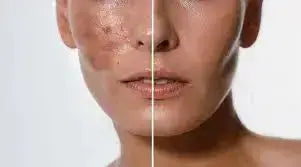
Looking for the best acid for hyperpigmentation to help erase dark spots and uneven skin tone? Hyperpigmentation can feel stubborn and frustrating, but acids like glycolic, azelaic, and kojic offer scientifically proven ways to brighten your complexion and fade pigmentation over time. Whether you're dealing with sunspots, melasma, or post-inflammatory marks, incorporating the right face acid for hyperpigmentation into your skincare routine can transform your skin's appearance. In this article, we'll explore the top acids, their benefits, how to use them safely, and highlight some of the best products to try now.
Understanding the Best Acid for Hyperpigmentation

Why Acids Work for Pigmentation
Acids designed for hyperpigmentation work primarily by accelerating skin cell turnover and inhibiting melanin production. This helps fade dark spots while promoting the growth of fresh, evenly pigmented skin. The best acid for hyperpigmentation is one that is both effective and gentle enough to use consistently without causing irritation or inflammation.
Top Acids to Consider
- Glycolic Acid: An alpha hydroxy acid (AHA) that exfoliates dead skin cells and improves pigmentation irregularities through its exfoliating properties.
- Azelaic Acid: A naturally occurring acid with anti-inflammatory and melanin-inhibiting properties, suitable for sensitive skin and effective against post-inflammatory hyperpigmentation.
- Kojic Acid: A fungal derivative known to inhibit tyrosinase, the enzyme responsible for melanin production, providing skin-lightening properties.
Each of these acids targets hyperpigmentation from different angles, making them popular active ingredients in hyperpigmentation treatment products.
Glycolic Acid for Hyperpigmentation: Benefits and Best Uses
What Makes Glycolic Acid Effective?
Glycolic acid for hyperpigmentation is prized for its small molecular size, allowing it to penetrate deeply and exfoliate efficiently. This acid works by dissolving the bonds between dead skin cells, promoting collagen production, accelerating cell turnover, and helping lighten pigmented areas. It's frequently found in chemical peels, serums, and toners.
Choosing the Best Glycolic Acid for Hyperpigmentation
Products with 5-10% glycolic acid are ideal for beginner use, while higher concentrations (20%+) are used in professional peels. When selecting a product, look for formulations that combine glycolic acid with soothing ingredients like aloe or hyaluronic acid to reduce skin irritation.
Application tips include starting with a patch test, using it 2-3 times a week, and always applying broad-spectrum sunscreen daily due to increased photosensitivity and sun exposure risk.
Azelaic Acid for Hyperpigmentation: A Gentle Yet Powerful Option
Unique Advantages of Azelaic Acid
Azelaic acid is known for its ability to fade pigmentation while also reducing inflammation and acne, making it a multitasking skincare ingredient. Unlike some exfoliating acids, azelaic acid is well tolerated by sensitive skin and can be used daily, helping address hyperpigmentation and melasma caused by hormonal changes.
How to Use Azelaic Acid Effectively
Commonly found in creams and gels at concentrations between 10% and 20%, azelaic acid is best applied after cleansing and before moisturizing. Consistency is key, with results typically visible after 6-8 weeks. It's also safe to combine with other acids or antioxidant ingredients under professional guidance, especially by consulting a board-certified dermatologist.
Kojic Acid Hyperpigmentation Treatments: Brightening from Within
Mechanism and Skin Benefits
Kojic acid hyperpigmentation benefits arise from its ability to inhibit tyrosinase, effectively reducing melanin synthesis responsible for dark spots. It also has antioxidant properties, further protecting skin from environmental damage and pigmentation irregularities.
Using Kojic Acid Safely
Kojic acid is incorporated into serums, moisturizers, and soaps. It's recommended to start with lower concentrations (1-2%) and gradually increase if tolerated. Like glycolic acid, kojic acid increases skin sensitivity, so applying broad-spectrum sunscreen is crucial.
Tips for Applying Face Acid for Hyperpigmentation Safely
General Precautions
- Always perform a patch test before full-face application.
- Introduce one acid product at a time to monitor your skin's response.
- Avoid combining strong acids unless advised by a board-certified dermatologist.
- Limit direct sun exposure and wear broad-spectrum sunscreen daily to protect against pigmentation worsening.
- Moisturize to maintain the skin barrier and reduce peeling, dryness, and skin irritation.
Building a Routine
Start by applying face acid for hyperpigmentation 2-3 times a week, preferably at night. Use gentle cleansers and follow up with hydrating and soothing products. Over time, as tolerated, frequency may increase depending on skin sensitivity and response.
Top Product Recommendations Featuring the Best Acid for Hyperpigmentation
Best Glycolic Acid for Hyperpigmentation
- The Ordinary Glycolic Acid 7% Toning Solution: Affordable and effective, this toner exfoliates and brightens skin.
- Paula's Choice Skin Perfecting 8% AHA Gel: A gentle yet powerful glycolic acid gel for smoother, brighter skin.
Azelaic Acid and Kojic Acid Product Picks
- Azelaic Acid 10% by The Inkey List: Lightweight cream that calms skin while fading pigmentation and reducing inflammation.
- Kojic Acid Serum by Marie France: Formulated for pigmentation with kojic acid and nourishing antioxidants offering antioxidant protection.
These products combine active acids with skin-friendly formulations to enhance hyperpigmentation treatment effectiveness and safety.
Combining Acids with Other Hyperpigmentation Treatments
Supporting Ingredients and Methods
For enhanced results, acids are often combined with ingredients like vitamin C, niacinamide, and tretinoin. Vitamin C brightens and provides antioxidant protection, while niacinamide improves barrier function and evens skin tone. Prescription medication such as tretinoin or clinical peels may be recommended by dermatologists for stubborn pigmentation. Sunscreen remains indispensable to prevent further pigmentation and protect skin from sun exposure.

When to See a Dermatologist
Severe or persistent hyperpigmentation may require professional treatments such as chemical peels, microneedling, laser therapies, or prescription-strength acids. Consulting a board-certified dermatologist ensures the correct approach and reduces risk of irritation or worsening pigmentation. Dermatologists tailor hyperpigmentation treatment to your skin type and condition, especially for cases involving melasma or hormonal changes.
In summary, choosing the best acid for hyperpigmentation depends on your skin type, the severity of pigmentation, and tolerance levels. Glycolic acid for pigmentation offers powerful exfoliation with collagen production benefits; azelaic acid for hyperpigmentation suits sensitive skin with anti-inflammatory and melanin-inhibiting effects; and kojic acid hyperpigmentation treatments target melanin production with antioxidant protection. Using these acids safely with proper application guidelines and combining them with supportive ingredients can significantly improve skin radiance and evenness. Explore these acid treatments and discover the best acid for hyperpigmentation that fits your skincare routine to achieve a clearer, brighter complexion.
 BioAqua Sheet Masks in Pakistan: Pick the Right One for Your Skin (2026)
 Best Budget Body Sprays & Deodorants in Pakistan: Smell Fresh for Less
 Snail Mucin for Skin: Benefits, How to Use It & the Best Products in Pakistan
 K-Beauty 101: The Science Behind Korean Skincare's Global Rise