
Chemical Peeling: Get Glowing Skin You Deserve
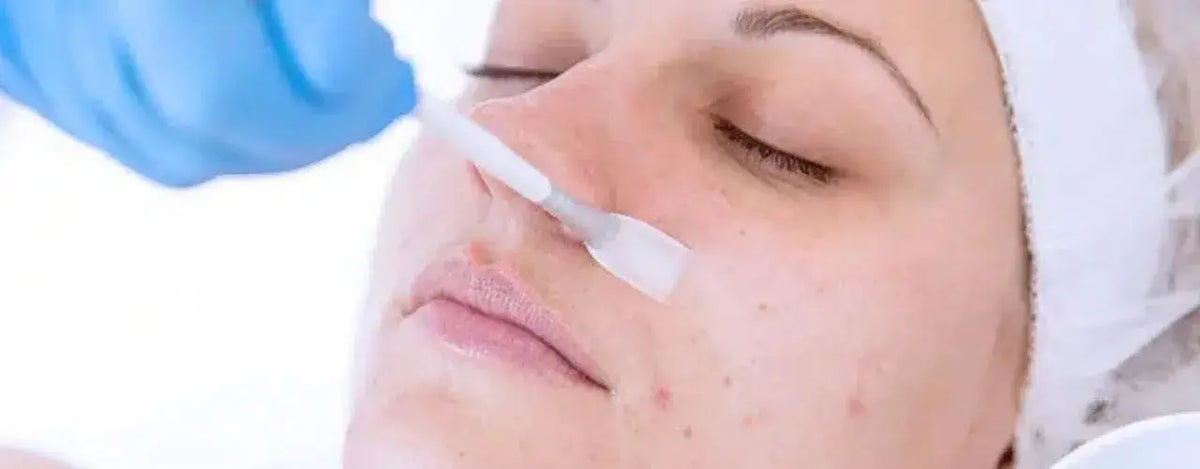
A chemical peel is a cosmetic treatment that applies a chemical solution to the skin to exfoliate the surface and reveal smoother, fresher skin underneath. Peels can improve acne, acne scars, age spots, sun damage, fine lines, uneven tone and enlarged pores.

The three main types of peel
Peels are grouped by how deeply they work. Superficial peels remove only the outer layer and suit mild acne, blackheads and uneven tone. Medium-depth peels reach the top and middle layers to address wrinkles, sun damage and acne scars. Deep peels work on deeper layers for pronounced wrinkles, scarring and precancerous lesions, and need the most recovery time.
Chemical peels for acne and scars

Peels help acne by exfoliating dead cells and unclogging pores, while deeper peels stimulate collagen to soften acne scars and fade the dark marks left behind. Gentle AHA peels such as glycolic acid and lactic acid work on the surface, while salicylic acid is especially good for oily, breakout-prone skin; stronger TCA peels reach deeper for moderate acne and scarring.
Chemical peels for tone and texture

By clearing away dull, dead cells and boosting collagen, peels smooth rough texture, refine pores and even out the complexion. They can fade hyperpigmentation and sun damage for brighter, more uniform skin.
Chemical peels for melasma

Peels can also help with melasma by removing pigmented surface cells and, in some formulas, using ingredients like kojic acid or arbutin to slow melanin production. Glycolic, mandelic and Jessner peels are common options. Melasma is influenced by hormones and sun exposure, so peels work best combined with topical treatments and strict sun protection.

Side effects, aftercare and choosing a peel
Temporary redness, stinging, peeling and increased sun sensitivity are normal; deeper peels can also cause crusting, and rarely scarring, infection or lasting colour change. Sun protection afterwards is essential, and more than one session may be needed to maintain results. The right peel depends on your skin type, concern and goals, so consult a board-certified dermatologist to choose safely and plan aftercare. Peels also pair well with treatments for fine lines and wrinkles.
 Snail Mucin for Skin: Benefits, How to Use It & the Best Products in Pakistan
 K-Beauty 101: The Science Behind Korean Skincare's Global Rise
 Under-Eye Dark Circles: Causes & Treatments That Actually Work
 Fungal Skin Infections in Pakistan: Ringworm, Jock Itch & Athlete's Foot