
Acne & Scars
 -19%New
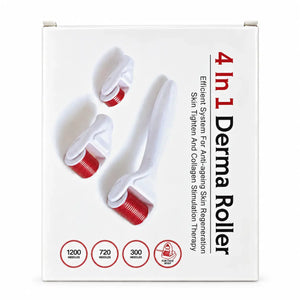
Derma.pk4-in-1 Derma Roller Skin & Hair Therapy Kit (Multiple Needle Heads)
-19%New
Derma.pk4-in-1 Derma Roller Skin & Hair Therapy Kit (Multiple Needle Heads)
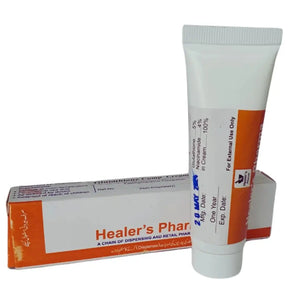 Healer's PharmaGlutathione Compound Cream 5% + Niacinamide 4% — Pores, Oil Control & Acne Marks




Acne & Scars: A Better Path to Clearer Skin
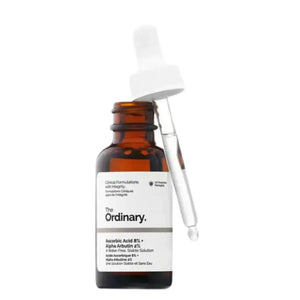
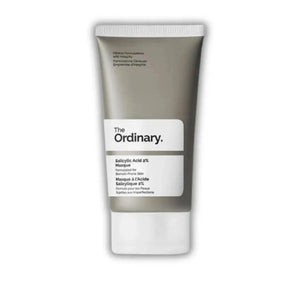
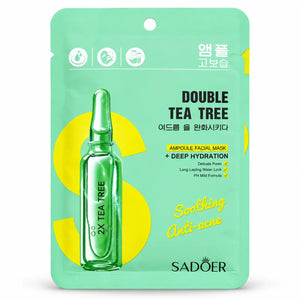
Managing acne requires a dual-action approach: neutralizing active inflammatory lesions and repairing the structural damage left behind as scars and marks. At Derma.pk, our Acne & Scars collection provides professional-grade intervention for all stages of the acne journey. Our range features the industry's most effective blemish-fighting and resurfacing agents including Salicylic Acid (BHA), Benzoyl Peroxide, Advanced Retinoids, and Alpha-Hydroxy Acids (AHAs).
Related: Acne & Pimple Treatments, Acne Treatment & Oil Control Products in Pakistan, Brightening Serums.
Understanding Acne and Why Scars Form
Acne & Scars often go hand in hand because breakouts can leave behind marks that stay long after the skin clears. Acne happens when pores become clogged with oil, dead skin, and bacteria, leading to pimples, blackheads, whiteheads, or deeper bumps. When acne is picked, squeezed, or inflamed for too long, it can damage the skin and create scars or dark spots. These changes may affect confidence and make skin look uneven. Learning how acne starts and how scars form is the first step toward better care and more effective treatment choices.
How to Treat Active Breakouts
The best way to manage Acne & Scars is to treat breakouts early and gently. A simple skincare routine can help reduce new pimples before they become severe. Use a mild cleanser, non-comedogenic moisturizer, and acne-fighting ingredients such as salicylic acid, benzoyl peroxide, or retinoids when appropriate. It is also important not to scrub hard or over-wash the skin, since this can cause more irritation. Consistent care matters more than harsh products. By calming active acne, you lower the risk of future scarring and give your skin a better chance to heal smoothly over time.
Ways to Fade Acne Marks and Scars
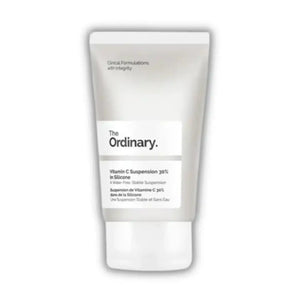
Once breakouts improve, the next focus is reducing Acne & Scars that remain on the skin. Some marks are post-inflammatory discoloration, while others are true scars that change skin texture. Ingredients like niacinamide, vitamin C, and gentle exfoliants may help brighten dark spots and support a more even tone. For deeper scars, treatments such as chemical peels, microneedling, laser therapy, or prescription options may be recommended by a skin professional. Results often take time, so patience is important. A steady routine and the right treatment plan can help the skin look smoother and more balanced.
Building a Routine That Supports Long-Term Skin Health
A successful Acne & Scars plan is not only about treating current problems but also protecting the skin for the future. Daily sunscreen is essential because sun exposure can make scars and dark marks look worse. Gentle hydration helps the skin barrier stay strong, which supports healing and lowers irritation. Healthy habits such as avoiding picking, changing pillowcases often, and managing stress can also make a difference. Because every skin type is different, the best results usually come from a routine that is simple, consistent, and matched to your needs. Long-term care can lead to clearer, healthier-looking skin.