
Diaper Rash Causes: Treatments, and Prevention
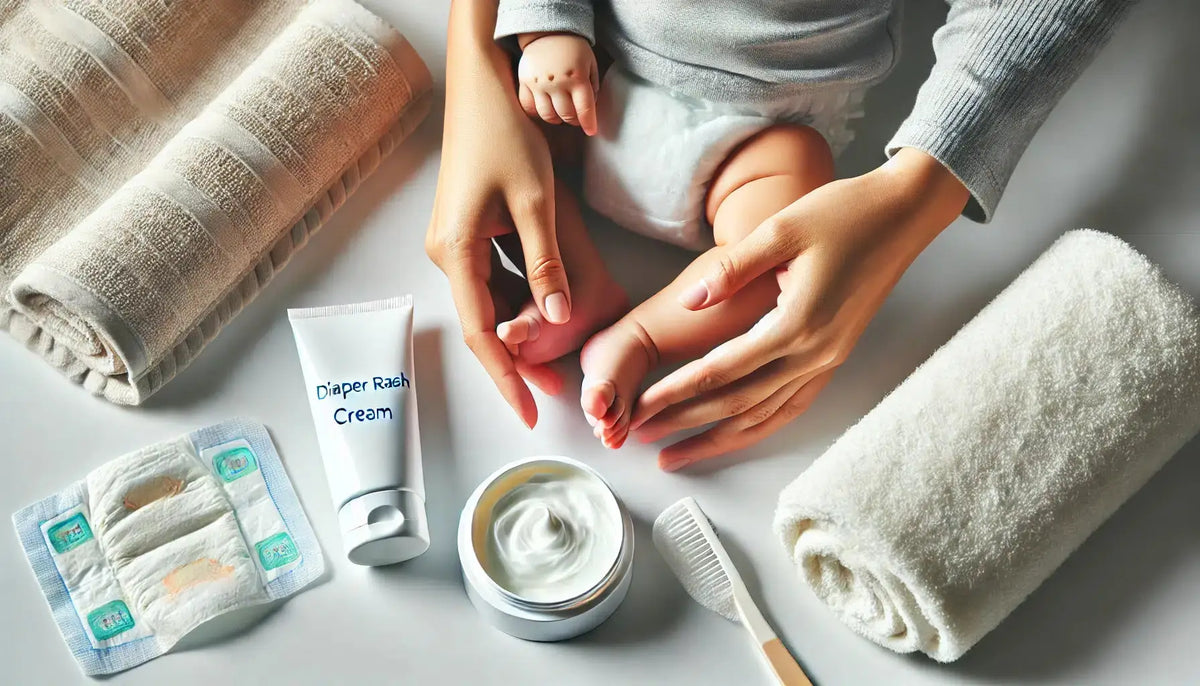
Diaper rash is one of the most common skin irritations in babies and toddlers, causing redness, discomfort and inflammation in the nappy area. With the right care it is both manageable and preventable.
What Is Diaper Rash?
Diaper rash is irritation of the delicate skin covered by a nappy, usually from prolonged contact with moisture, friction or irritants.
Common Causes
Prolonged exposure to a wet or soiled nappy breaks down the skin barrier, while tight nappies cause friction. Warm, damp conditions also encourage yeast (Candida) growth, and fragranced wipes or detergents can trigger reactions in sensitive skin. Antibiotics can upset the natural balance and allow yeast to overgrow.
Prevention
Change nappies frequently to keep the area dry, cleanse gently with lukewarm water and fragrance-free wipes, and apply a zinc-oxide barrier cream at each change. Give your baby some nappy-free time daily so the skin can breathe, and use a gentle moisturiser for dry skin.
Treatment
Zinc-oxide creams and petroleum jelly protect and lock in moisture. For rashes caused by yeast, an antifungal cream such as clotrimazole may be advised. Soothing aloe vera can also calm irritation.
When to See a Doctor
Seek medical advice if the rash lasts more than three days despite treatment, or comes with fever, blisters or pus-filled bumps. Buy in Pakistan at Derma.pk.
 Snail Mucin for Skin: Benefits, How to Use It & the Best Products in Pakistan
 K-Beauty 101: The Science Behind Korean Skincare's Global Rise
 Under-Eye Dark Circles: Causes & Treatments That Actually Work
 Fungal Skin Infections in Pakistan: Ringworm, Jock Itch & Athlete's Foot