
pharmaceutical grade skincare: Start Your Skincare
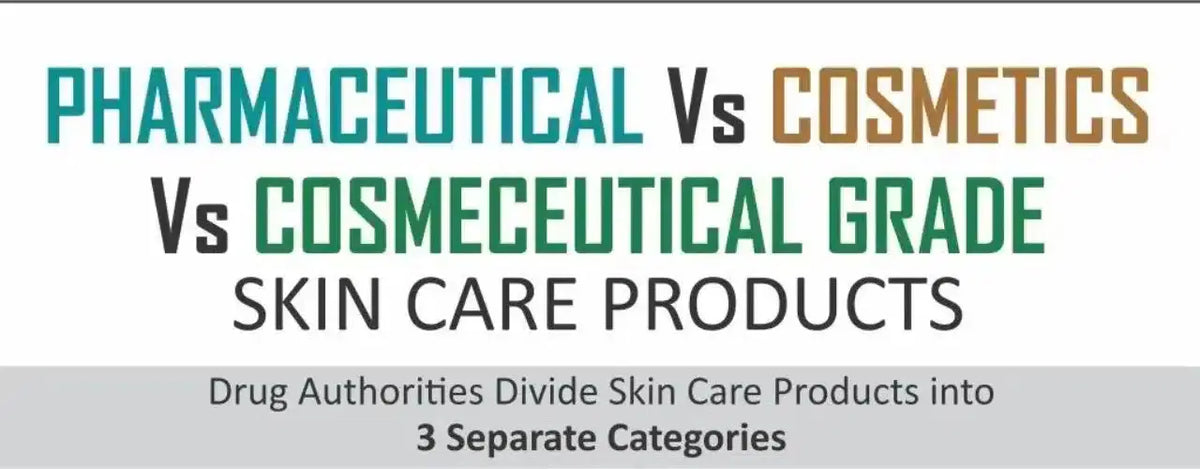
Skincare shelves are full of products promising miracles, but the grade of a formula often matters more than the marketing. Knowing how pharmaceutical, cosmeceutical and cosmetic grade products differ helps you choose what will actually work for your skin.


Pharmaceutical grade
- Tested and regulated: these products undergo rigorous testing by bodies such as the FDA to meet strict safety and efficacy standards.
- High concentration of actives: a higher percentage of proven active ingredients targets specific concerns.
- High purity: typically required to be at least 99% pure, meaning fewer fillers and greater potency.
- Often prescription only: because they are so potent, many are available only through a doctor.
Cosmetic grade
- Widely available: sold over the counter for convenience and ease.
- Appearance focused: mainly enhance how skin looks rather than treating specific conditions.
- Lower potency: contain a smaller percentage of active ingredients.
- Lighter testing: not held to the same rigorous standards as pharmaceutical products.
Cosmeceutical grade
- Best of both: bridge the gap between cosmetics and pharmaceuticals, offering effective actives without a prescription.
- Targeted benefits: scientifically backed ingredients address concerns such as wrinkles and fine lines, acne and hyperpigmentation.
- Balanced purity: usually at least 70% pure, balancing efficacy and safety.
- Accessible: available over the counter, making them a practical option for most people.
How to choose the right grade
The right grade depends on your skin and your goals. Potent actives such as retinol and vitamin C deliver results but should be introduced gradually, especially on sensitive skin. Always patch test a new product before applying it to the whole face, get to know the active ingredients, and stay consistent, since results take time. For stubborn concerns, a dermatologist can recommend the grade and ingredients best suited to you.

 Snail Mucin for Skin: Benefits, How to Use It & the Best Products in Pakistan
 K-Beauty 101: The Science Behind Korean Skincare's Global Rise
 Under-Eye Dark Circles: Causes & Treatments That Actually Work
 Fungal Skin Infections in Pakistan: Ringworm, Jock Itch & Athlete's Foot