
Living with Rosacea: A Guide to Managing the Chronic Facial Skin Condition
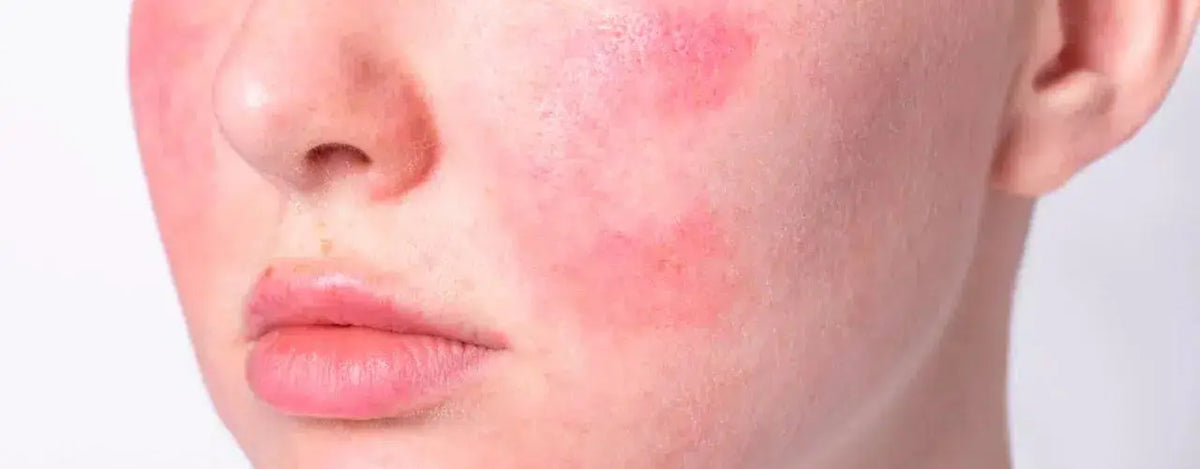
Rosacea is a chronic skin condition that causes redness and inflammation across the face, most often on the cheeks, nose, and forehead. It can also appear on the neck, ears, scalp, and chest. The exact cause is unknown, but it is thought to result from a mix of genetic and environmental factors.

What Causes Rosacea?
Researchers believe rosacea stems from a combination of factors rather than a single cause.
Genetics and Immune Response
A family history of rosacea raises your risk, and an overactive immune response to triggers such as Demodex mites or bacteria may drive flare-ups. Abnormal facial blood vessels that dilate easily also contribute to the visible redness and flushing.
Common Triggers
Sun exposure is a major trigger, so daily sunscreen is essential. Other triggers include extreme temperatures, wind, alcohol, spicy foods, stress, and some medications such as corticosteroids. Identifying your personal triggers is key to preventing flares.
Symptoms of Rosacea
Symptoms vary by type and severity but commonly include persistent facial redness and flushing, visible blood vessels, and small red or pus-filled bumps that resemble acne but without blackheads. Many people also notice burning or stinging, dryness and scaling, and in some cases ocular irritation. In severe cases the skin of the nose can thicken (rhinophyma). Using gentle, non-irritating products for sensitive skin helps reduce discomfort.
Types of Rosacea

Erythematotelangiectatic Rosacea (ETR)
Persistent redness on the cheeks, nose, and forehead with visible blood vessels and easy flushing. Treated with topical metronidazole or azelaic acid and laser therapy to reduce visible vessels.
Papulopustular Rosacea
Red, inflamed bumps, sometimes with pus, mainly on the cheeks and chin. It resembles acne but has no blackheads, and is treated with oral antibiotics, topical azelaic acid or brimonidine, and trigger avoidance.
Phymatous Rosacea
Thickening and enlargement of the skin, usually on the nose. More common in men, it is managed with medication, laser therapy, or surgery in severe cases.
Ocular Rosacea
Redness, irritation, dryness, and a gritty feeling in the eyes, treated with eye drops, antibiotics, and trigger avoidance.
Treatment Options
Rosacea has no cure, but symptoms can be well managed with the right rosacea care routine. Topical options include metronidazole, azelaic acid, brimonidine, and ivermectin, while moderate to severe cases may need oral antibiotics such as doxycycline. Laser and light therapies target visible vessels, and gentle moisturisers with fragrance-free cleansers keep the skin barrier calm. Daily sun protection and stress management round out an effective routine.
Consultation in Lahore
For a tailored treatment plan, an experienced dermatologist can confirm your rosacea type and recommend the right combination of therapies. Book at Skin Clinic, Lahore, or message our team on WhatsApp at 0320-5999650.
 Snail Mucin for Skin: Benefits, How to Use It & the Best Products in Pakistan
 K-Beauty 101: The Science Behind Korean Skincare's Global Rise
 Under-Eye Dark Circles: Causes & Treatments That Actually Work
 Fungal Skin Infections in Pakistan: Ringworm, Jock Itch & Athlete's Foot