
Melasma on Face: A Complete Guide to Location Specific Treatment
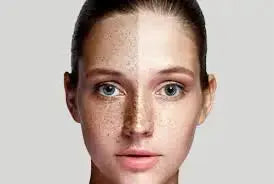
Melasma on face is a challenging skin condition characterized by dark, discolored patches that primarily appear on sun-exposed areas. Understanding melasma types by location is essential for developing targeted treatment strategies and achieving clearer, more even-toned skin. This guide explores location-specific melasma patterns, including forehead melasma, mandibular melasma, and centrofacial melasma, providing evidence-based approaches to treat each effectively.
Understanding Melasma Distribution Patterns
Why Location Matters for Treatment
Melasma on face manifests in distinct patterns based on the distribution of hyperpigmented patches. Each pattern reflects different underlying hormonal influences, sun exposure habits, and skin characteristics. Identifying your specific pattern helps dermatologists and patients select the most appropriate and targeted treatment approaches. The three primary melasma distribution patterns are centrofacial, malar, and mandibular.
Centrofacial Melasma: The Most Common Pattern
Characteristics and Presentation
Centrofacial melasma is the most prevalent form, affecting the forehead melasma zone, nose, upper lip, chin, and central cheeks simultaneously. This pattern creates a butterfly-like appearance across the central face and is strongly associated with sun exposure to the central facial zone.
Centrofacial Melasma Treatment Approach
Effective centrofacial melasma treatment requires comprehensive photoprotection and topical depigmenting agents across the entire central face. Key strategies include:
- Consistent use of broad-spectrum sunscreen SPF 50+
- Topical triple combination creams (hydroquinone, tretinoin, corticosteroid)
- Chemical peels targeting the entire centrofacial zone
- Laser therapy with careful settings appropriate for the treated area
Malar Melasma: Cheek-Focused Pattern
Characteristics and Presentation
Malar melasma appears primarily on the cheekbones and upper cheeks. This pattern is often more prominent in individuals with higher cheekbones who receive concentrated sun exposure in this area. Malar pattern melasma may have a stronger association with topical products and physical heat than other patterns.
Treatment Considerations for Malar Melasma
Treatment of malar melasma requires careful selection of procedures, as this area can be sensitive to laser therapy. Recommended approaches include:
- Topical niacinamide and tranexamic acid formulations
- Gentle chemical peels with glycolic or lactic acid
- Intense pulsed light (IPL) therapy with careful monitoring
- Strict sun avoidance and photoprotection
Mandibular Melasma: The Most Treatment-Resistant Pattern
Characteristics and Presentation
Mandibular melasma affects the jawline and is the most challenging form to treat. This pattern is often associated with hormonal influences, particularly in perimenopausal women, and tends to have deeper dermal pigmentation. Mandibular pattern melasma frequently persists despite standard treatments.
Advanced Treatment Strategies for Mandibular Melasma
Given its treatment-resistant nature, mandibular melasma often requires combination approaches and patience:
- Oral tranexamic acid supplementation
- Q-switched laser therapy targeting dermal melanin
- Long-term topical maintenance therapy
- Hormonal assessment and management
Forehead Melasma: Sun-Exposed Zone Management
Specific Challenges and Solutions
Forehead melasma is particularly challenging because the forehead receives significant direct sun exposure. Treatment must be aggressive with photoprotection while using effective depigmenting agents. Covering the forehead with hats or visors during sun exposure is especially important for this pattern.
Upper Lip Melasma: Delicate Area Treatment
Treatment Sensitivity Considerations
The upper lip area requires particularly gentle treatments due to skin sensitivity. Procedures like laser therapy must be approached with caution, and topical treatments should be carefully tested for reactivity. Many patients find that oral tranexamic acid combined with strict photoprotection provides the safest and most effective approach for upper lip melasma.
Evidence-Based Treatment Modalities for All Melasma Patterns
Topical Treatments (First-Line)
- Hydroquinone 2–4% (gold standard depigmenting agent)
- Azelaic acid (effective alternative with less irritation)
- Kojic acid combinations
- Retinoids for accelerated cell turnover
- Triple combination creams for comprehensive coverage
Procedural Treatments (Second-Line)
- Chemical peels (glycolic, salicylic, TCA)
- Microneedling with depigmenting serums
- Q-switched Nd:YAG laser (particularly for deeper pigmentation)
- Fractional laser resurfacing
Systemic Treatments (For Resistant Cases)
- Oral tranexamic acid (250mg twice daily)
- Oral antioxidant supplements
Maintenance and Relapse Prevention
Melasma is a chronic condition requiring ongoing maintenance regardless of the pattern. Even after successful treatment, relapse is common without strict sun protection and maintenance topical therapy. Year-round use of SPF 50+ sunscreen, avoiding heat triggers, and regular dermatological review are essential components of long-term management for all melasma on face patterns.

Conclusion
Understanding melasma types by location is fundamental to achieving the best treatment outcomes. Centrofacial, malar, and mandibular patterns each present unique challenges requiring tailored therapeutic approaches. Consistent photoprotection remains the foundation of all melasma management, complemented by appropriate topical, procedural, and sometimes systemic treatments. Consulting a dermatologist experienced in treating melasma on face ensures a personalized approach that matches your specific distribution pattern and skin type.
 BioAqua Sheet Masks in Pakistan: Pick the Right One for Your Skin (2026)
 Best Budget Body Sprays & Deodorants in Pakistan: Smell Fresh for Less
 Snail Mucin for Skin: Benefits, How to Use It & the Best Products in Pakistan
 K-Beauty 101: The Science Behind Korean Skincare's Global Rise