
Microneedling benefits: A Promising Tool for Specific Concerns
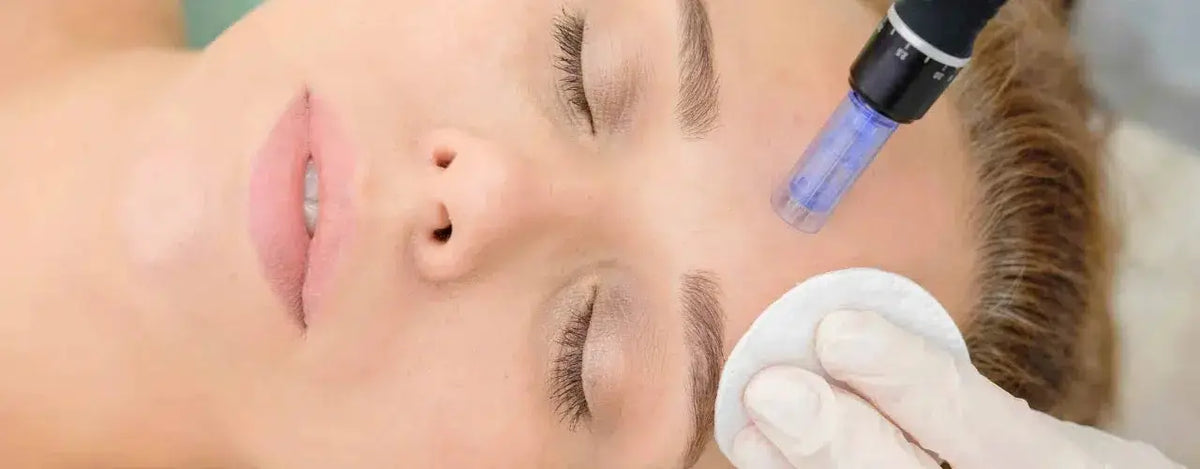
Microneedling, also called collagen induction therapy, is a minimally invasive procedure that uses fine needles to create controlled micro-injuries in the top layer of the skin. These tiny punctures trigger the body's natural healing response, stimulating collagen and elastin production. The result can be smoother texture and a visible improvement in wrinkles, fine lines, acne scars, stretch marks and enlarged pores.

Key benefits of microneedling
Anti-aging
By boosting collagen and elastin, microneedling can soften wrinkles and fine lines, refine texture and tone, and make enlarged pores look smaller. Increased cell turnover reveals fresher, brighter skin, and the micro-channels it creates help anti-aging serums and treatments absorb more effectively.
Acne scars and other scarring
Microneedling breaks down old scar tissue and rebuilds collagen, which can soften acne scars, particularly shallow rolling scars, as well as some surgical scars. Over a course of sessions it can also even out the colour and texture of scars.

Stretch marks
The same collagen-building action can reduce the visibility of stretch marks and improve their texture, with newer skin gradually replacing the discoloured striations. Red stretch marks tend to respond better than older, white ones.

These effects are supported by clinical research, including randomised controlled trials on atrophic acne scars and reviews of microneedling for facial rejuvenation and striae. Individual results vary with skin type, the severity of the concern and the number of sessions, usually several spaced four to six weeks apart.
Risks and side effects
Most side effects are mild and short lived: redness, mild swelling, occasional pinpoint bleeding or bruising, temporary dryness or flaking, and heightened sun sensitivity for a few days. Less common complications include infection, pigment changes, allergic reactions to numbing creams and, rarely, scarring. Choosing a qualified practitioner, disclosing your medical history and following aftercare instructions keep these risks low.
A note on melasma
Microneedling's role in melasma is more complicated. While it can improve product absorption and thicken the skin, it may also trigger inflammation that worsens hyperpigmentation in some people, and the evidence is limited. Established treatments are often a safer first choice, so consult a dermatologist before treating melasma this way. For a research overview, see this PubMed study on microneedling in recalcitrant melasma.
Who should be cautious
Microneedling is best avoided, or approached carefully, if you have active acne, rosacea, a bleeding disorder or take blood thinners, a history of cold sores, or if you are pregnant or breastfeeding. A consultation confirms whether it is right for you, and it can be paired with treatments such as PRP for enhanced results.
What to expect
For the best outcome, see a qualified dermatologist or aesthetician, plan for multiple sessions, follow your post-treatment care, and be patient, as improvement builds gradually while new collagen forms.
 Snail Mucin for Skin: Benefits, How to Use It & the Best Products in Pakistan
 K-Beauty 101: The Science Behind Korean Skincare's Global Rise
 Under-Eye Dark Circles: Causes & Treatments That Actually Work
 Fungal Skin Infections in Pakistan: Ringworm, Jock Itch & Athlete's Foot