
Rosacea Explained: Symptoms, Causes, Risk Factors, and What to Avoid
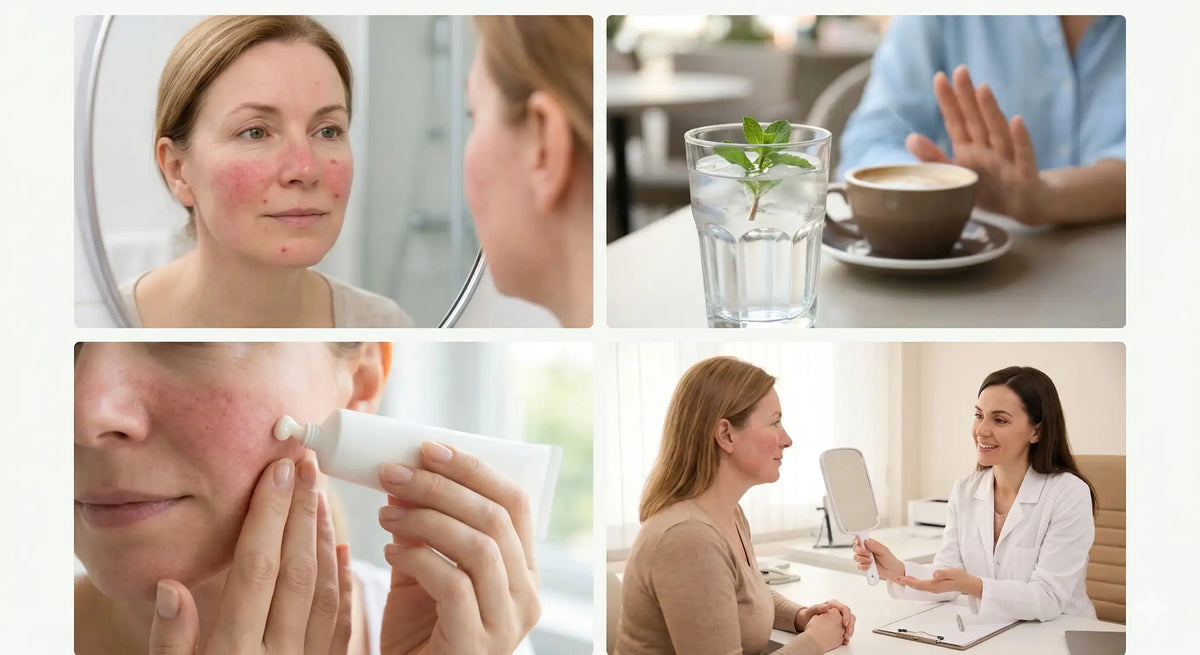
Rosacea is a common yet often misunderstood chronic skin condition that primarily affects the face. If you've noticed persistent redness, flushing, or irritation on your cheeks, nose, or forehead, you might be experiencing rosacea. Understanding its signs and symptoms, causes, and treatment options can empower you to take control of your skin health and improve your quality of life.
What Is Rosacea?
Rosacea is a chronic inflammatory skin disorder that mainly impacts the central areas of the face, such as the cheeks, nose, chin, and forehead. It is characterized by persistent facial redness, visible blood vessels (telangiectasia), and inflammation that can cause swelling and discomfort. This condition often develops gradually and may flare up periodically. Rosacea typically affects adults between the ages of 30 and 50 and is a common skin condition among people with fair skin, although it can affect anyone. Beyond physical symptoms, rosacea can also affect emotional well-being and social interactions, making awareness and proper management crucial.

Common Symptoms of Rosacea
The hallmark sign of rosacea is facial redness that resembles a persistent sunburn. This redness often starts with frequent flushing episodes, which can be triggered by various factors. Other common signs and symptoms include small red bumps or pimples, swelling, and a sensation of warmth or burning on affected areas. In some cases, rosacea affects the eyes, causing irritation, dryness, and redness—this form is known as ocular rosacea. Symptoms vary widely among individuals; early signs may only include redness and flushing, while advanced stages can involve thickened skin, especially on the nose (rhinophyma). It is important to distinguish rosacea from acne, as rosacea lacks blackheads and typically does not produce comedones.
What are 5 symptoms of rosacea?
Five common symptoms of rosacea include persistent facial redness, frequent flushing, visible blood vessels, red bumps or pimples, and swelling or thickening of the skin. Additionally, ocular rosacea may cause eye irritation and redness.
Causes and Triggers of Rosacea
The exact cause of rosacea remains unknown, but current medical research suggests a combination of genetic and environmental factors play a role. An abnormal immune response might cause inflammation, while the presence of Demodex mites—tiny skin dwellers found in higher numbers on rosacea-affected skin—may contribute to irritation. Common triggers that can bring on or worsen rosacea include sun exposure, hot or spicy foods, alcohol, and emotional stress. Identifying your personal triggers by tracking flare-ups is essential for effective management.

Risk Factors for Developing Rosacea
Certain factors increase the likelihood of developing rosacea. Individuals with fair skin, especially of Northern European descent, are more prone to it. It commonly emerges in middle age and has a genetic tendency, with family history being a significant risk factor. Women are diagnosed more frequently than men; however, men often experience more severe symptoms, including skin thickening. Lifestyle habits and other medical conditions, such as a history of prolonged sun exposure or inflammatory diseases, may heighten risk. Being aware of these factors can help in early identification and prevention efforts.
What Should You Not Drink With Rosacea?
Some beverages are well-known to trigger rosacea flare-ups by causing flushing and skin irritation. Alcohol, particularly red wine and spirits, is one of the main culprits, often leading to sudden redness and discomfort. Hot drinks like coffee and tea also contribute by raising skin temperature and dilating blood vessels. To minimize flare-ups, consider substituting these with cooler, non-alcoholic options such as water, herbal teas (cooled), or freshly squeezed juices. Staying well-hydrated helps maintain skin barrier function and supports overall skin health. Diet and hydration play a crucial role in managing rosacea alongside other treatment options.
Treatment and Management Options for Rosacea
Managing rosacea effectively usually requires a combination of treatments tailored to symptom severity. Topical medications, including prescribed creams and gels containing anti-inflammatory or antibiotic agents, help reduce redness and pimples. Oral antibiotics may be prescribed for more severe cases to control inflammation. Laser and phototherapy light treatments are increasingly popular for reducing visible blood vessels due to their targeted action and minimal side effects. Daily skincare routines focusing on gentle cleansing and moisturizing with products that include sunscreen and botanical actives protect sensitive skin. Some creams and body lotions with multi-benefit formulations offer moisturizing, anti-spot herbal complex, and sun protection benefits, which are especially beneficial. Consulting a dermatologist is vital to create a personalized plan that fits your needs and lifestyle. Lifestyle modifications, such as avoiding identified triggers, complement prescription medication and other medical treatments for long-term control.

Living with Rosacea: Tips and Lifestyle Adjustments
Living well with rosacea involves proactive skincare and mindful lifestyle changes. Use gentle skin care products designed for sensitive skin that include moisturizing ingredients and sunscreen to protect against UV exposure, a known trigger. Pay attention to emotional well-being as the visible symptoms can impact confidence and social life; seeking support groups or counseling can be beneficial. Keeping a symptom diary helps identify and avoid flare-up triggers. Regular communication with your healthcare provider ensures your treatment plan evolves with your needs. With proper care and adjustments, including using user-friendly, compact and portable skincare products that combine coverage and makeup benefits like bb cream and eye cream, many individuals maintain healthy skin and enjoy a good quality of life despite rosacea.
 Snail Mucin for Skin: Benefits, How to Use It & the Best Products in Pakistan
 K-Beauty 101: The Science Behind Korean Skincare's Global Rise
 Under-Eye Dark Circles: Causes & Treatments That Actually Work
 Fungal Skin Infections in Pakistan: Ringworm, Jock Itch & Athlete's Foot