
Healthy Diet Plan: Impact Of Healthy Diet On Health
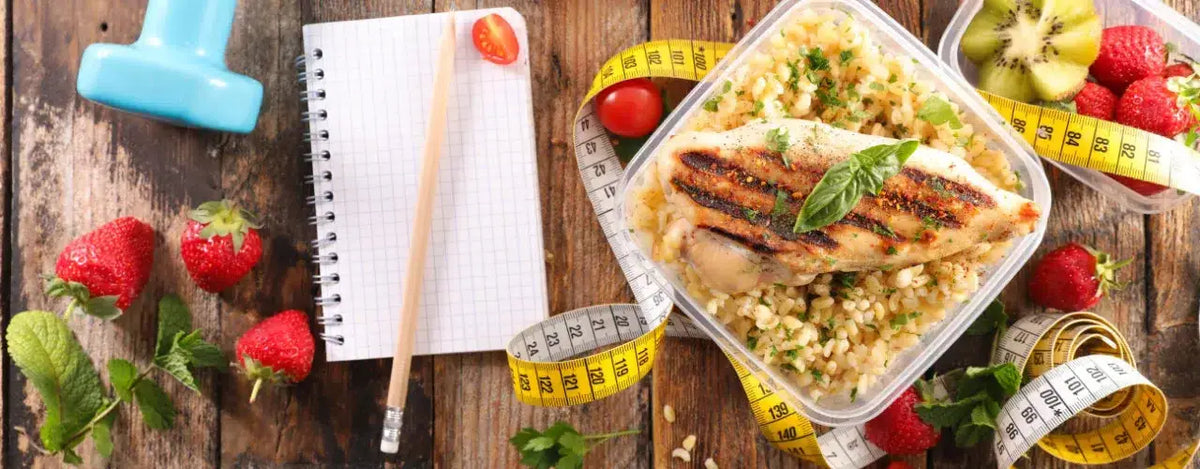
A healthy diet is one of the foundations of overall wellbeing. The right balance of nutrients, vitamins and minerals keeps your body working at its best, and it shows in your energy, your immunity and even your skin. Here are the core habits that make up a healthy eating plan.

Portion control
Being mindful of portion sizes helps prevent overeating, which can lead to weight gain and related health problems. Learn typical serving sizes and try not to eat more than your body needs.
Stay well hydrated
Water regulates body temperature, aids digestion and supports countless bodily functions. Aim for around eight glasses a day, adjusting for your activity level and the climate.
Moderation and mindful eating
Limit sugary drinks and heavily processed snacks, and focus on nutritious whole foods instead. Eating slowly and paying attention to your hunger and fullness cues helps you enjoy your food and avoid overeating.
Eat a variety of foods
A diverse diet supplies a wider range of nutrients. Include plenty of fruits, vegetables, whole grains, lean proteins and healthy fats to cover the vitamins, minerals and antioxidants your body needs.
Balance your nutrients
Aim for a sensible balance of carbohydrates, proteins and fats, with fruits and vegetables providing essential vitamins and minerals. Drawing from all the food groups keeps your intake well rounded.
Minimise processed foods
Highly processed foods are often high in added sugar, unhealthy fats and artificial additives. Choose whole, unprocessed options where you can, such as fresh produce, whole grains, lean proteins, nuts and avocados.
How your diet supports your skin
What you eat is reflected in your complexion. Antioxidant-rich foods help defend against everyday damage, while vitamin C supports collagen for firmer skin. Good hydration and healthy fats keep skin supple, complementing hydrating serums and a steady anti-aging routine. Small, consistent changes to your diet add up to noticeable improvements in both health and skin over time.
Related articles
 BioAqua Sheet Masks in Pakistan: Pick the Right One for Your Skin (2026)
 Best Budget Body Sprays & Deodorants in Pakistan: Smell Fresh for Less
 Snail Mucin for Skin: Benefits, How to Use It & the Best Products in Pakistan