
Face Serums & Treatments in Pakistan

 R & D DermaTyronil Niacinamide & Arbutin Brightening Serum 20ml — Pores, Oil Control & Acne Marks
 Healer's PharmaHealers Pharma 2% Arbutin + Niacinamide Brightening Serum — Pores, Oil Control & Acne Marks
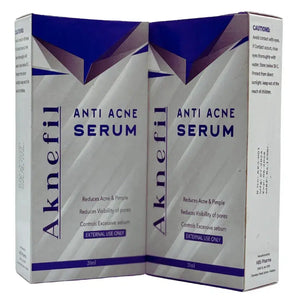
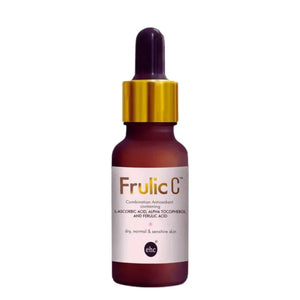
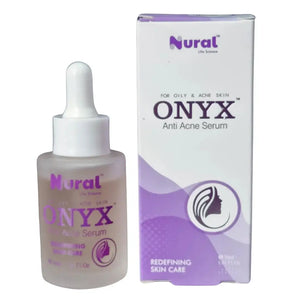


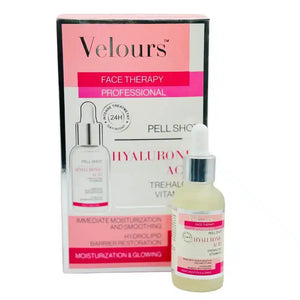

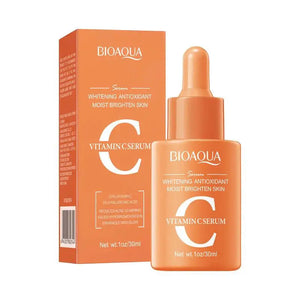
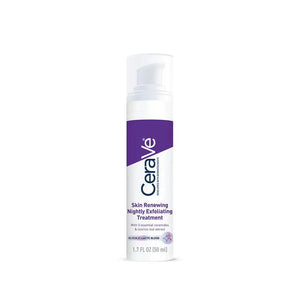
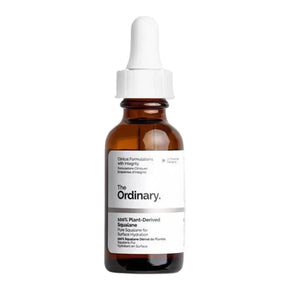
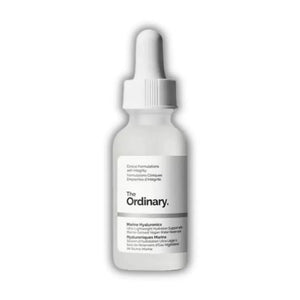
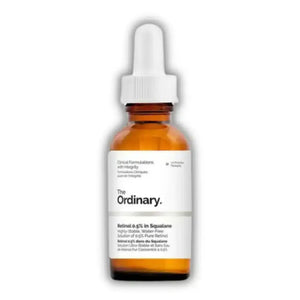
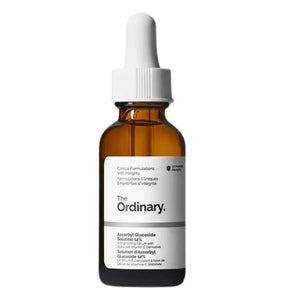
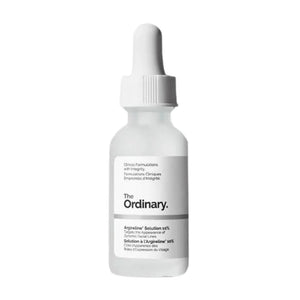
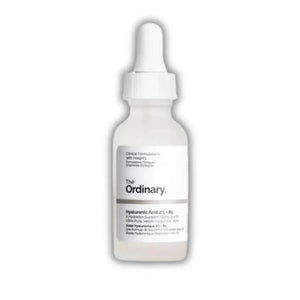
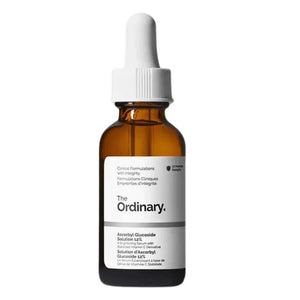
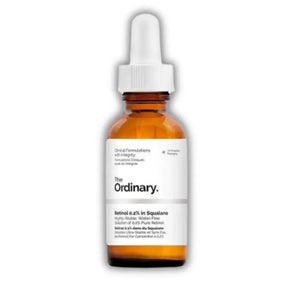
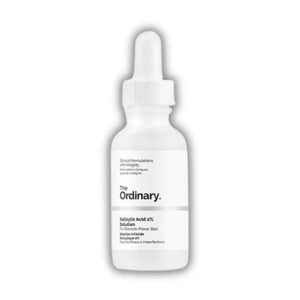
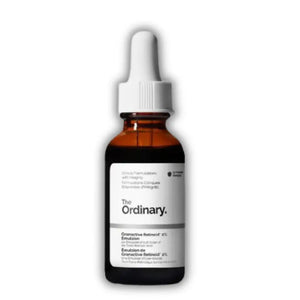
Serums and Treatments for Every Skin Concern
Face serum in Pakistan delivers concentrated active ingredients deep into the skin to target specific concerns — pigmentation, fine lines, acne, dullness or dehydration. Derma.pk brings together a complete clinical face serum range from leading dermatologist-recommended brands.
This collection includes vitamin C face serum for brightening, niacinamide for oil control, hyaluronic acid for hydration, retinol for anti-ageing, peptides for firmness, alpha arbutin for pigmentation and azelaic acid for acne. Each face serum is formulated for visible results in 4 to 12 weeks of consistent use.
Serums are the highest-impact step in any skincare routine after sunscreen. Their lightweight molecular structure penetrates deeper than creams or moisturizers, delivering concentrated actives where they work best. The right combination of serums tailored to your concern can transform skin within 8 to 12 weeks.
Apply face serum on cleansed skin, before moisturizer, morning or night depending on the active. Pair with a gentle cleanser, a barrier-repair moisturizer and daily SPF 50 for the complete results-driven routine. Explore vitamin C creams for added antioxidant protection layered with your serum.
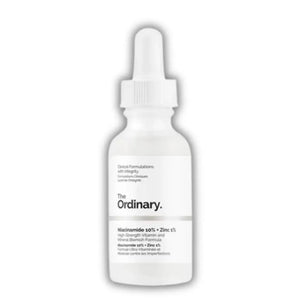
Featured face serum brands include The Ordinary, La Roche-Posay, SkinCeuticals, Vichy LiftActiv, Pharmaceris, Estee Lauder Advanced Night Repair and other clinical lines imported through verified channels. Each product page lists active concentration, pH and skin-type compatibility.
Target your specific skin concern with a powerful, targeted face serum that fits into your existing routine. Browse the full collection below and order online for delivery across Pakistan. Cash on delivery is available nationwide with quick 2 to 4 day shipping.
Why Serums and Treatments Matter for Skin Care
Serums and treatments are a smart part of any skin care routine because they deliver active ingredients directly to the skin. Unlike basic moisturizers, they are made to target specific concerns such as dullness, acne, dark spots, fine lines, and dryness. In Pakistan, where heat, pollution, and sun exposure can affect skin every day, choosing the right formula can make a big difference. A good serum or treatment can help improve skin texture, support a healthy glow, and give visible results with regular use. They are easy to add to both morning and night routines.
Hydrating and Brightening Solutions for Daily Use
Many people look for serums and treatments that help hydrate the skin while also improving brightness. Ingredients like hyaluronic acid, vitamin C, and niacinamide are popular because they support moisture, reduce dull-looking skin, and help create a smoother appearance. These products are especially useful for people dealing with dry patches, uneven tone, or tired-looking skin. In Pakistan’s changing weather, skin often needs extra care to stay balanced and fresh. Using the right product daily can help protect the skin barrier and maintain a more even, healthy-looking complexion without feeling heavy or greasy on the face.
Targeted Care for Acne, Spots, and Aging Skin
Serums and treatments are also helpful for more specific problems like acne, post-acne marks, and signs of aging. Acne-fighting ingredients such as salicylic acid and tea tree can help keep pores clear and reduce breakouts, while treatments with retinol or peptides may support firmer, smoother skin over time. People with dark spots or uneven tone often choose formulas that focus on brightening and repair. The key is to select products based on skin type and concern. When used correctly, these treatments can become an important step in a routine that feels simple, effective, and made for real skin needs.
How to Choose the Right Product for Your Routine
Picking the best serums and treatments starts with knowing your skin type and what you want to improve. Oily skin may need lightweight, oil-free formulas, while dry skin often benefits from richer hydration support. Sensitive skin should look for gentle ingredients and fewer harsh actives. It is also important to introduce one product at a time so the skin can adjust without irritation. For best results, apply serums after cleansing and before moisturizing. In Pakistan, where daily skin stress is common, a thoughtful routine can help keep skin clear, calm, and better protected throughout the year.