
Comprehensive Guide to Hair Loss and the Treatment in Women
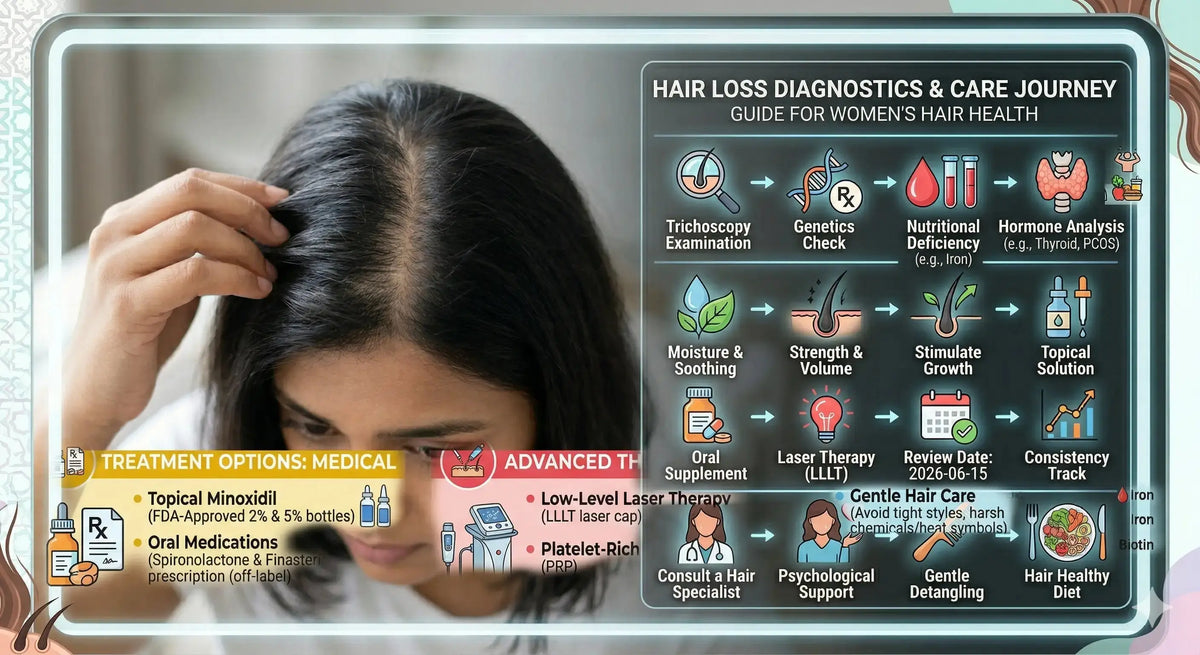
Hair loss can be a distressing experience, especially for women in Pakistan where cultural and social expectations often emphasize hair as a symbol of beauty and health. If you notice unusual hair shedding or thinning, understanding hair loss and the treatment options available can empower you to take control. This guide covers the causes, diagnosis, and medical treatments for female hair loss, along with lifestyle tips and supportive therapies to help you manage this common condition effectively.

Understanding Hair Loss in Women
Hair loss in women is a condition where hair thinning or shedding exceeds normal limits, disrupting the typical hair growth cycle. Normally, women shed about 50 to 100 hairs daily as part of hair renewal. Female pattern hair loss (FPHL), also called androgenetic alopecia, is the most prevalent type and involves diffuse thinning over the scalp. Unlike men’s hair loss, which often results in bald patches, women tend to experience gradual thinning primarily on the crown and part line. Hair loss in women can lead to emotional distress, impacting self-confidence and social interactions. Globally and in Pakistan, studies show that nearly 40% of women experience some form of hair loss in their lifetime, highlighting the importance of understanding its unique patterns and effects.
Causes of Female Hair Loss
Female hair loss is caused by a mixture of genetic, hormonal, medical, and lifestyle factors. The most common cause is androgenetic alopecia, which has a genetic link leading to progressive thinning. Hormonal influences significantly affect hair loss in women, particularly during menopause, pregnancy, and conditions like polycystic ovary syndrome (PCOS). Hormone changes can disrupt the hair growth cycle, resulting in shedding or thinning. Medical conditions such as thyroid disorders, iron deficiency anemia, and autoimmune diseases like alopecia areata also contribute to hair loss. Stress, both physical and emotional, alongside certain medications – including chemotherapy – can trigger temporary hair loss. Recognizing these causes is crucial for effective hair loss treatment strategies.
Recognizing the Signs and Symptoms of Hair Loss in Women
Noticing signs of hair loss early can improve treatment outcomes. Common signs include thinning around the center scalp or part line, a widening of the hair part, and increased hair shedding seen on pillows or combs. It is important to differentiate between shedding (temporary hair fall), thinning (reduction in hair density), and balding (permanent hair loss areas). Hair loss can start gradually, subtly changing your appearance, or occur suddenly due to acute causes like stress or illness. Understanding these differences helps clarify the urgency and type of treatment needed.
How Female Hair Loss is Diagnosed
Proper diagnosis begins with a thorough medical history and scalp examination by a healthcare provider or dermatologist. They will inquire about family history, diet, recent illnesses, medications, and hormonal changes. Diagnostic tools like trichoscopy (scalp microscopy) allow visualizing hair follicles and scalp health. The pull test, where gentle traction is applied to hair to assess shedding, and hair density measurements help quantify hair loss. Blood tests check for thyroid hormone imbalances, iron levels, androgen hormones, and autoimmune markers to identify underlying conditions. Ruling out reversible causes ensures that treatment targets the correct factors, optimizing hair regrowth potential.

Medical Treatment Options for Female Hair Loss
Topical minoxidil is the only FDA-approved medication specifically for female pattern hair loss and is considered first-line therapy. It is available in 2% and 5% formulations and works by stimulating hair follicles and increasing blood flow to the scalp. Patients should apply it daily for at least 4 to 6 months to see visible improvement, with continued use required to maintain gains. Oral medications such as finasteride, spironolactone, and oral minoxidil may be prescribed off-label. Finasteride reduces androgen effects and is more common in men but may help select women, especially with hyperandrogenism; spironolactone is an anti-androgen beneficial in PCOS-related hair loss. Iron supplementation is vital if deficiency is confirmed but should be guided by lab results to avoid side effects. All medications carry potential side effects like scalp irritation or hormonal imbalance, so medical supervision and adherence to treatment plans are essential for safety and efficacy.
Adjunct and Advanced Hair Loss Therapies
Beyond medications, several advanced therapies support hair regrowth. Low-level laser therapy (LLLT) uses phototherapy light devices emitting low-intensity radiation to stimulate hair follicles and promote growth. These devices are portable, user-friendly, and often used alongside topical treatments for enhanced benefits. Platelet-rich plasma (PRP) therapy involves injecting concentrated platelets from the patient’s blood into the scalp to encourage healing and follicular regeneration; sessions are typically repeated every 4 to 6 weeks. Microneedling creates tiny scalp injuries to enhance topical medication absorption and trigger collagen production and can be combined with PRP for improved results. Mesotherapy, involving scalp injections of nutrients or medications, is less established and requires caution regarding unapproved substances. These therapies provide complementary options especially for those not responding fully to medications.

Hair Transplantation for Women: When and How
Hair transplantation, especially follicular unit transplantation (FUT), can permanently restore hair by moving healthy follicles from dense scalp areas to thinning regions. However, candidacy in women requires careful evaluation as diffuse thinning may limit donor hair availability and affect outcomes. Ideal candidates have stable hair loss, good donor areas, and realistic expectations. The procedure involves small incisions under local anesthesia, followed by a recovery period of one to two weeks. Risks include scarring and unnatural hair appearance if not expertly performed. Costs are considerable, and patients should weigh these alongside benefits. Overall, transplantation is a viable option for selected women with localized hair loss resistant to other treatments.
Hair Care and Lifestyle Tips to Manage Hair Loss
Managing hair loss also involves gentle hair care and lifestyle adjustments. Avoid hairstyles that pull tightly like braids or ponytails that cause traction alopecia. Minimize the use of harsh chemical treatments, excessive heat styling, and keratin treatments as they can weaken hair and increase shedding. Using gentle shampoos and conditioners suited for sensitive scalps helps maintain hair strength. Nutritionally, ensure a balanced diet rich in protein, iron, vitamins (especially biotin, vitamin D), and minerals to support hair growth; consulting a healthcare provider before starting supplements is recommended. Stress reduction techniques improve overall health and can help minimize stress-induced hair loss. These strategies complement medical treatments in preserving hair health.
Psychological Impact and Coping Strategies for Hair Loss in Women
Hair loss often affects emotional well-being, leading to challenges with self-esteem and social anxiety. Women may feel less confident and experience mental health strains due to visible changes. Open communication with family, friends, or professional counselors provides valuable emotional support. Joining support groups where experiences are shared can alleviate feelings of isolation. Cosmetic camouflage techniques such as wigs, scarves, hair fibers, and specialized makeup help women feel more confident while treatments progress. Patience and setting realistic expectations about regrowth timelines foster positive coping. Recognizing the psychological impact is vital to holistic hair loss management.
Frequently Asked Questions About Female Hair Loss and Treatment
Many women ask about the causes and whether hair loss can be reversed. Female hair loss often results from genetics, hormones, or medical conditions, and early treatment improves chances of regrowth. Treatments like minoxidil take months to show results, requiring consistent use. Side effects are generally mild but should be discussed with a healthcare provider. Hair loss can sometimes be prevented or stabilized, especially when detected early. During pregnancy and breastfeeding, treatment choices are limited for safety reasons; always consult a doctor before starting any therapy.
What Not to Do with Alopecia?
Avoid hairstyles that pull tightly on your hair, harsh chemical treatments, and excessive heat styling, all of which can worsen alopecia. Do not ignore sudden or patchy hair loss, as early diagnosis improves treatment success. It is important not to self-medicate without professional advice, especially with unverified products or supplements.
When to See a Healthcare Provider for Hair Loss
If you experience sudden, patchy, or extensive hair loss, seeing a healthcare provider promptly is important. A specialist dermatologist can perform detailed assessments and guide you through diagnosis and treatment plans. Expect discussions about your medical history, lifestyle, and symptoms, with possible blood tests and scalp exams. Early consultation increases the likelihood of effective treatment and better prognosis, preventing further hair loss and promoting regrowth.
 Snail Mucin for Skin: Benefits, How to Use It & the Best Products in Pakistan
 K-Beauty 101: The Science Behind Korean Skincare's Global Rise
 Under-Eye Dark Circles: Causes & Treatments That Actually Work
 Fungal Skin Infections in Pakistan: Ringworm, Jock Itch & Athlete's Foot