
Hair Loss Treatments Are Available: A Comprehensive Guide
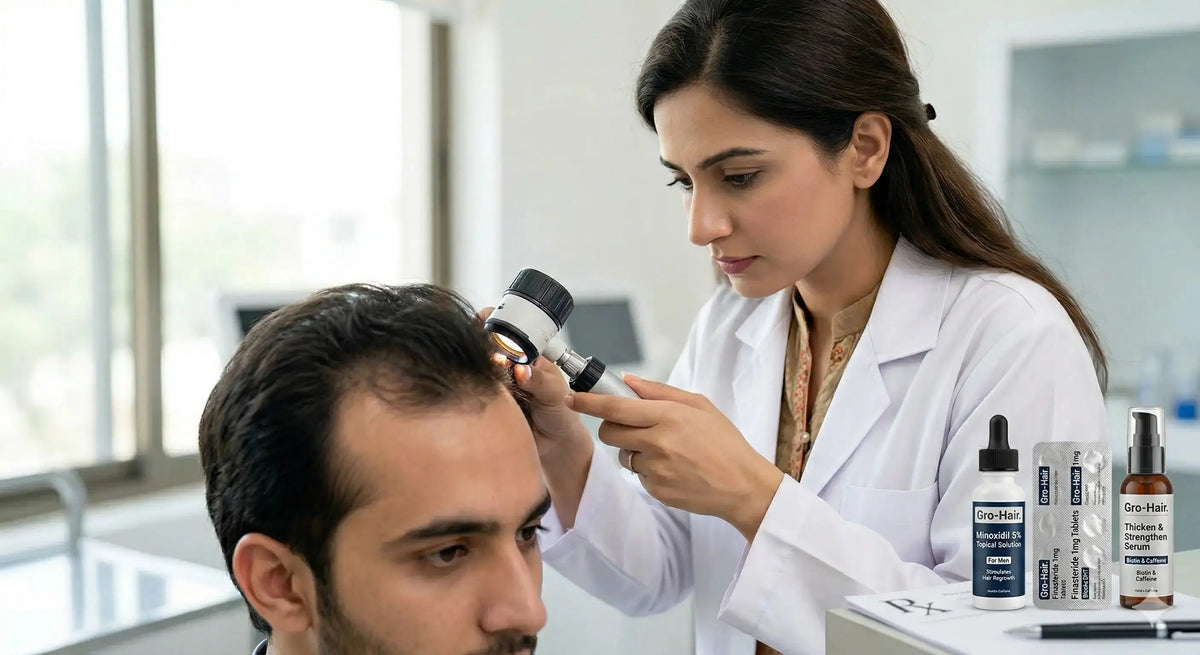
Hair loss is a common concern affecting millions in Pakistan, impacting self-esteem and overall wellbeing. Fortunately, a range of effective hair loss treatments are available, catering to various causes and hair loss patterns. In this comprehensive guide, you will learn about the types and causes of hair loss, how hair grows and sheds, diagnostic methods used by experts, and the spectrum of treatment options—including medications, procedural therapies, and surgical options—designed to help you regain hair health. Whether you seek medical interventions, procedural therapies, or self-care approaches, understanding these options will empower you to take control of your hair loss journey.

Understanding Hair Loss: Types and Causes
Hair loss, medically known as alopecia, refers to the partial or complete absence of hair in areas where it typically grows. The most common types include male pattern hair loss (androgenetic alopecia), characterized by receding hairlines and balding; female pattern hair loss, which mainly causes diffuse thinning on the crown; temporary hair loss from stress or illness; and scarring alopecia, where hair follicles are permanently damaged. Major causes range from genetics and hormonal imbalances to underlying medical conditions like thyroid disorders, certain medications, and lifestyle factors such as poor nutrition or stress. Both men and women in Pakistan experience hair loss, which can significantly affect appearance and confidence.
How Hair Growth and Loss Occur: The Hair Growth Cycle
Hair grows in a continuous cycle with three key phases: anagen (growth phase), catagen (transitional phase), and telogen (resting or shedding phase). Normally, most hair follicles remain in anagen, allowing for thick, healthy hair. Disruptions to this cycle—caused by hormonal shifts or damage—lead to excessive shedding or thinning. In androgenetic alopecia, follicles shrink through a process called follicular miniaturization, making hairs thinner and shorter over time. Understanding these phases helps explain why some hair loss is temporary and reversible, while others may be permanent without treatment.
Diagnosing Hair Loss: How Medical Experts Identify the Cause
Accurate diagnosis begins with a professional evaluation by dermatologists, who specialize in hair and scalp disorders. The examination involves detailed scalp inspection to observe hair loss patterns and follicle health. Dermatologists also ask about medical history, symptoms, and lifestyle. Diagnostic tests may include blood tests to identify nutritional deficiencies or thyroid problems, scalp biopsies to analyze follicle structure, and dermoscopy—a specialized tool that magnifies scalp and hair shafts for closer assessment. Early diagnosis plays a crucial role in selecting the most effective hair loss treatments and improving outcomes.
Available Hair Loss Treatments: Medical and Procedural Options
Treatment for hair loss varies depending on the cause and severity, but several FDA-approved options are widely used. Minoxidil, a topical solution, stimulates blood flow to hair follicles and is effective for many types of hair thinning in both men and women. Finasteride, an oral prescription medication, reduces androgen hormone levels to slow male pattern hair loss, though it requires monitoring for side effects. For women, anti-androgen drugs such as spironolactone help counteract hormonal causes of hair loss. Procedural treatments include corticosteroid injections to reduce inflammation in conditions like alopecia areata, platelet-rich plasma (PRP) therapy using patients’ own growth factors to rejuvenate follicles, and low-level laser therapy devices that stimulate hair growth through phototherapy light—all of which are increasingly available in Pakistan.
Advanced options such as hair transplantation involve relocating healthy hair follicles to balding areas and are suitable for permanent pattern baldness. Scalp reduction surgery is less common but may be an option in select cases. Emerging therapies like stem cell treatments and gene therapy are under research but remain experimental. Effectiveness varies widely among individuals, making personalized treatment plans essential to address unique needs, medical history, and expectations.
At-Home and Over-the-Counter Hair Loss Treatments
Many individuals opt for convenient at-home treatments to manage hair loss. Topical minoxidil solutions and foams are easily available over the counter and widely used to promote hair regrowth. Laser combs, caps, and other portable low-level laser therapy devices deliver phototherapy light with some clinical support for improving hair density. Microneedling devices create tiny scalp injuries that may enhance absorption of topical treatments and stimulate natural growth. However, it’s important to consult healthcare providers before starting these therapies to ensure safety and coordination with other medical treatments.
Hair Loss Treatments for Women: Special Considerations
Female pattern hair loss typically presents as diffuse thinning on the top of the scalp, often linked to hormonal changes or disorders such as polycystic ovary syndrome (PCOS) and thyroid disease. Diagnosis includes blood tests to identify endocrine imbalances. Treatment focuses on minoxidil topical solutions (2% and 5%), with 5% concentration generally providing better results under medical supervision. Spironolactone, a prescription medication, may be prescribed to block excess androgens, while iron supplementation addresses common deficiencies. Emotional distress caused by visible hair loss is significant, making psychological support and counseling vital alongside medical interventions. Patience and adherence to treatment over several months are required to maintain and improve hair density.

Hair Loss Treatments for Men: Focus on Male Pattern Hair Loss
Male pattern hair loss features a receding hairline and thinning at the crown, progressing to partial or complete baldness. Two cornerstone treatments are topical minoxidil, promoting follicle stimulation, and oral finasteride, which inhibits the hormone responsible for follicle shrinkage. These therapies can slow progression and promote regrowth, especially when started early. Additional options such as low-level laser therapy devices and PRP injections offer supplementary benefits. Continuous treatment is essential to sustain results; stopping medications often leads to resumed hair loss.

Hair Loss Caused by Medical Conditions: Diagnosis and Treatment
Certain medical conditions can cause or worsen hair loss. Thyroid disorders like hypothyroidism and autoimmune diseases such as alopecia areata disrupt normal hair cycles. Nutritional deficiencies in iron or vitamins, chemotherapy drugs, and physical or emotional stress also contribute. Effective treatment involves addressing the underlying disease, which may reverse hair loss. Collaboration with healthcare providers is critical to tailor therapy appropriately and avoid complications. Awareness of medication-induced hair loss can help patients seek alternatives or adjunctive treatments to protect hair health.
Preventing Hair Loss: Lifestyle and Hair Care Practices
Prevention strategies focus on minimizing hair damage and promoting scalp health. Gentle hair care, avoiding harsh shampoos and chemicals, and steering clear of tight hairstyles that cause traction alopecia are essential. Maintaining a balanced diet rich in vitamins and minerals supports hair follicles. Stress management techniques help reduce hair shedding triggered by emotional factors. Regular health checkups can detect hormonal or nutritional issues early. While genetics play a major role, these preventive measures—combined with multi-benefit formulations that include botanical actives and moisturizing properties—can slow hair loss progression and improve overall hair quality.
Self-Care and Emotional Support for Hair Loss Patients
Hair loss often affects mental health, leading to anxiety and reduced self-esteem. Emotional support through counseling and patient education empowers coping. Joining support groups connects individuals facing similar challenges, reducing feelings of isolation. Cosmetic options such as wigs, hairpieces, and concealers provide immediate confidence boosts while medical treatments take effect. Open communication with healthcare providers ensures that psychological concerns are addressed as part of comprehensive hair loss management.
When to See a Doctor: Signs You Should Seek Professional Help
You should consult a dermatologist if you notice sudden hair loss, patchy bald spots, scalp pain, or inflammation. Early evaluation allows for timely diagnosis and more effective treatment. Delayed consultation often results in reduced treatment success, especially in progressive conditions. Discussing hair loss during routine health visits helps identify underlying health issues and improves your chances of maintaining healthy hair.
Emerging and Experimental Hair Loss Treatments
Research into new solutions for hair loss is ongoing, with promising approaches like stem cell therapy aiming to regenerate hair follicles and gene therapy targeting inherited causes. Novel topical agents formulated with anti-spot herbal complexes and other botanical actives are also under development to enhance hair regrowth. However, many of these treatments are still in trial phases and not widely available. Staying informed through reliable sources and consulting qualified healthcare providers is important to avoid unproven or unsafe remedies.
Summary: Taking Control of Your Hair Loss Treatment Journey
Multiple effective hair loss treatments are available tailored to different causes and hair loss patterns. Early professional diagnosis and personalized treatment plans optimize results. Combining FDA-approved medical therapies with advanced procedural options, lifestyle modifications, and emotional support creates the best environment for hair restoration. Consistent follow-up and patience are essential, as hair regrowth takes time. Empower yourself with knowledge and work alongside trusted healthcare experts to navigate your hair loss treatment journey confidently and improve your hair health.
 Snail Mucin for Skin: Benefits, How to Use It & the Best Products in Pakistan
 K-Beauty 101: The Science Behind Korean Skincare's Global Rise
 Under-Eye Dark Circles: Causes & Treatments That Actually Work
 Fungal Skin Infections in Pakistan: Ringworm, Jock Itch & Athlete's Foot