
Alopecia Areata Treatment: Comprehensive Guide to Symptoms, Causes & Treatments
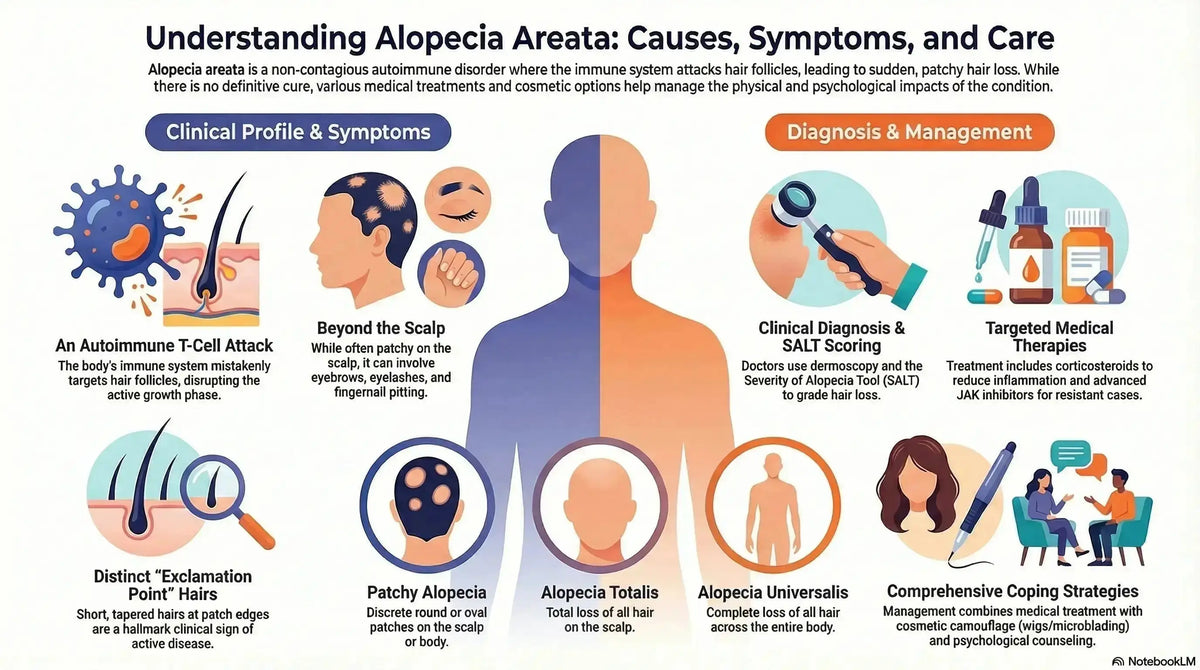
Alopecia areata is a distressing autoimmune disorder causing sudden, patchy hair loss that can affect anyone at any age. If you or a loved one are experiencing unexplained hair loss, understanding the causes, diagnosis, and available treatments can empower you to manage this condition more effectively. This comprehensive guide covers everything from the immune mechanisms behind alopecia areata to current therapies, special considerations, and ways to cope with the psychological impact, especially in Pakistan’s unique healthcare context.

Understanding Alopecia Areata: Definition and Key Facts
Alopecia areata is an autoimmune hair loss disorder where the body's immune system mistakenly attacks hair follicles, causing hair loss. The term "alopecia" means hair loss, and "areata" refers to the patchy or localized nature of this condition. It commonly affects both adults and children worldwide, with no gender bias. Typically, it presents as sudden, well-defined patches of hair loss on the scalp or other hair-bearing areas such as eyebrows and eyelashes. While it primarily targets the scalp, alopecia areata can affect any part of the body that grows hair, often leading to significant emotional distress.
Who Develops Alopecia Areata? Risk Factors and Demographics
Alopecia areata affects individuals of all ages, sexes, and ethnicities. Genetic predisposition plays a significant role, especially if there is a family history of autoimmune conditions. People with other autoimmune diseases like thyroid disorders, vitiligo, or atopic dermatitis have a higher risk. Environmental triggers such as emotional stress, infections, or physical trauma may also initiate or exacerbate the hair loss. Its typical age of onset peaks between childhood and early adulthood, although it can develop at any time.
Autoimmune Mechanisms Behind Alopecia Areata
The core of alopecia areata lies in a T-cell mediated autoimmune reaction targeting anagen (growing) hair follicles. Normally, hair follicles enjoy an "immune privilege," protecting them from immune attacks during the active growth phase. However, this privilege is lost in alopecia areata, causing the immune system's T cells to infiltrate and attack these follicles. Histopathology reveals lymphocytic invasion around hair bulbs, and many patients show circulating autoantibodies. Genetic factors involving specific human leukocyte antigen (HLA) genes contribute to this susceptibility. Cytokines, neuropeptides like substance P, and environmental triggers may further modulate the immune response, initiating or worsening the hair loss.
Types and Patterns of Alopecia Areata
Alopecia areata manifests in several clinical patterns. The most common is patchy alopecia areata, characterized by round or oval hair loss patches on the scalp. More extensive types include alopecia totalis, total scalp hair loss, and alopecia universalis, complete loss of body hair. Less common variants include the ophiasis pattern, where hair loss follows a band around the scalp, and diffuse alopecia, with widespread thinning rather than discrete patches. These patterns can also involve eyebrows, eyelashes, and nails. A hallmark clinical feature is “exclamation point hairs,” short, tapered hairs at the edges of patches.

Recognizing Symptoms and Clinical Features
Alopecia areata typically presents with sudden hair loss in smooth, round patches on the scalp or other body parts. Before hair falls out, some patients report itching, burning, or tingling sensations. Nail changes, such as pitting or ridging, often accompany more severe cases and signify active disease. When hair starts to regrow, it often appears initially white or depigmented before normal pigmentation returns. Because alopecia affects appearance significantly, many patients suffer from psychological symptoms like anxiety and depression, impacting quality of life.
Can depression cause alopecia areata?
While depression itself is not a direct cause of alopecia areata, psychological stress and emotional distress, often associated with depression, may act as triggers or exacerbate the autoimmune response, contributing to the onset or worsening of hair loss in some cases.
Diagnosis of Alopecia Areata: How Medical Professionals Assess Hair Loss
Diagnosis primarily relies on clinical evaluation, including patient history and physical examination of hair-bearing areas. Dermatoscopy often reveals characteristic signs such as exclamation point hairs, black dots, and broken hairs. Supportive tests include scalp biopsy, which can differentiate alopecia areata from other causes of hair loss by showing peribulbar lymphocytic infiltrates. Hair pluck tests assess hair follicle status, and blood tests help exclude nutritional deficiencies or thyroid disorders. The Severity of Alopecia Tool (SALT) score objectively grades hair loss extent. Differential diagnoses include fungal infections like tinea capitis and telogen effluvium from stress or systemic illness.
Common Causes and Triggers of Hair Loss in Alopecia Areata
Alopecia areata is driven by an autoimmune reaction rather than infection or mechanical damage. Genetic predisposition combines with environmental triggers including psychological stress, infections, or trauma to induce hair follicle immune attack. Unlike contagious scalp infections, alopecia areata cannot be transmitted between individuals. There is ongoing research investigating potential viral or external triggers, but current evidence remains inconclusive.
Severity and Prognosis: Understanding the Course of Alopecia Areata
The severity of alopecia areata varies widely, ranging from a few localized patchy areas to total loss of all scalp and body hair. Prognosis depends on multiple factors, including disease duration, extent of nail involvement, and age at onset. Many patients experience spontaneous remission and hair regrowth, although relapses and flare-ups are common. Individuals with severe forms such as alopecia totalis and universalis face greater challenges, with prolonged hair loss and less likelihood of full regrowth.
Current Treatment Options for Alopecia Areata
There is no definitive cure for alopecia areata; treatment focuses on symptom management and promoting hair regrowth. First-line therapies include topical and intralesional corticosteroids, which suppress the local immune response and reduce inflammation in mild to moderate cases. For severe or extensive disease, systemic corticosteroids can be used temporarily, but carry risk of side effects. Topical immunotherapy, such as diphenylcyclopropenone (DPCP), aims to induce a controlled allergic reaction to distract the immune system. Recent advances include Janus kinase (JAK) inhibitors, which target specific immune pathways and show promising results especially in resistant cases. Minoxidil, commonly used for other hair loss forms, serves as adjuvant therapy to maintain regrowth. Treatment responses vary, requiring personalized approaches and close monitoring. Emerging therapies continue to be evaluated in clinical trials offering hope for improved outcomes.
Special Considerations: Treatment for Children, Eyebrows, Eyelashes, and Nails
Managing alopecia areata in children demands additional safety considerations to minimize systemic effects of medications. Pediatric treatments often focus on topical corticosteroids and less aggressive therapies. Eyebrow and eyelash involvement can cause functional and cosmetic concerns; topical steroid creams and ointments are usually first choice, while in some cases prosthetic enhancements may help. Nail changes may improve with corticosteroid therapy, but treatment is often reserved for symptomatic or severe cases. Dermatologist guidance is crucial in tailoring treatment plans and monitoring progress, especially for these specialized presentations.

Camouflage and Cosmetic Options: Managing the Psychological Impact
Visible hair loss from alopecia areata often causes significant psychological distress. Camouflage options such as wigs, hairpieces, and scalp prostheses provide effective concealment and boost confidence. Some patients opt for strategic scalp shaving to create a uniform appearance. For eyebrow and eyelash loss, cosmetic solutions include eyebrow powders, artificial eyelashes, and microblading techniques. It is important to use these safely to avoid skin irritation or allergic reactions. Alongside cosmetic measures, psychological counseling and support groups play a vital role in addressing emotional well-being and promoting coping strategies.
How to stop worrying about alopecia?
Managing worry about alopecia involves a combination of education about the condition, seeking professional medical advice for treatment options, and engaging in psychological support such as counseling or support groups. Practicing stress-reduction techniques and connecting with others experiencing similar challenges can help improve mental health and reduce anxiety related to hair loss.
Living with Alopecia Areata: Self-Care and When to Seek Medical Help
Practical self-care is essential in managing alopecia areata. Gentle scalp care, avoiding harsh chemicals, and protecting scalp skin from sun exposure help maintain skin health. Using moisturizing and botanical active-rich products can support scalp comfort. Regular medical follow-up is important due to associations with other autoimmune diseases. Patients should consult healthcare providers for new symptoms, rapid progression, or nail involvement to adjust treatment promptly. Mental health support, including counseling, is key to managing the psychosocial effects of hair loss and improving quality of life.
Future Directions and Research in Alopecia Areata
Research into alopecia areata continues to uncover genetic markers and immune pathways driving the disease. New immunotherapies, including advanced JAK inhibitors and biologic agents, offer promising treatment avenues. Multidisciplinary approaches integrating dermatology, immunology, and psychology aim to improve patient outcomes comprehensively. Such innovations give hope for more effective management and, eventually, potential cures.
Effective alopecia areata treatment requires patience and professional guidance. In Pakistan, explore hair loss treatments available on Derma.pk, including expert hair care guides and dermatologist-recommended products. For related conditions, read our guides on hair loss treatment with cash on delivery across Pakistan.
 Snail Mucin for Skin: Benefits, How to Use It & the Best Products in Pakistan
 K-Beauty 101: The Science Behind Korean Skincare's Global Rise
 Under-Eye Dark Circles: Causes & Treatments That Actually Work
 Fungal Skin Infections in Pakistan: Ringworm, Jock Itch & Athlete's Foot