
Type to search...
View all results


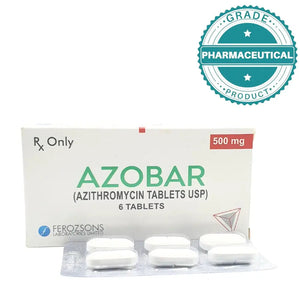
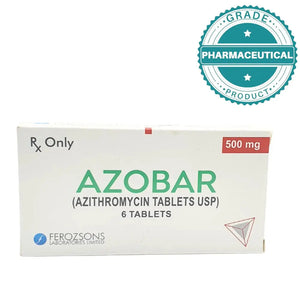

AZOBAR TABLETS (Azithromycin tablets)
Azobar, featuring Azithromycin, offers a potent defense against a variety of bacterial infections, ranging from respiratory issues to skin infections
Tailored for both adults and children, Azobar addresses conditions like sinusitis, bronchitis, pneumonia, and skin infections, making it a versatile solution for various age groups
While effective, Azobar requires caution in specific cases, such as severe illness, cystic fibrosis, and nosocomial infections, ensuring optimal and safe usage
Physicians should closely monitor patients for potential adverse effects, including gastrointestinal symptoms, allergic reactions, and hepatotoxicity, optimizing the overall safety profile
Proper storage below 30 °C and strict adherence to prescription guidelines ensure Azobar’s integrity, emphasizing its commitment to both efficacy and patient safety

Pay in 3 Installments of
Rs.
136


Azobar, available in tablet and dry suspension forms, leverages the antibacterial power of Azithromycin. Its tablet variants, Azobar 250mg and Azobar 500mg, and the dry suspension, Azobar 200mg/5ml, cater to various infection severities. Azithromycin dihydrate, the active ingredient, ensures an effective molecular formula that combats susceptible microorganisms.
Azobar treats mild to moderate infections caused by susceptible strains of various microorganisms. In adults, it covers conditions like acute bacterial sinusitis, bronchitis exacerbations, community-acquired pneumonia, and skin infections. Pediatric applications include otitis media, sinusitis, and pneumonia.
Patients with severe illness, cystic fibrosis, and nosocomial infections should exercise caution. Azithromycin ought not to substitute first-line therapy for specific conditions, and doctors do not recommend it for pneumonia patients deemed unsuitable for oral therapy.
Only use Azithromycin when infections are proven or strongly suspected to be caused by susceptible bacteria to mitigate the development of drug-resistant bacteria. Dosages and durations vary based on the specific infection and patient population.
Common reactions include gastrointestinal symptoms (nausea, diarrhea), allergic reactions, hepatotoxicity, and infantile hypertrophic pyloric stenosis (in neonates). Reported effects also include prolonged cardiac repolarization, Clostridium difficile-associated diarrhea, and exacerbation of myasthenia gravis.
Physicians should monitor patients closely for signs of allergic reactions, hepatotoxicity, and QT prolongation. Caution is advised in patients with myasthenia gravis. Azithromycin is not the primary choice for treating syphilis.
Azithromycin binds to the 23s rRNA of the 50S ribosomal subunit, inhibiting bacterial protein synthesis and disrupting the assembly of the 50S ribosomal subunit.
Food influences Azithromycin's bioavailability, resulting in low concentrations observed in cerebrospinal fluid. Drug clearance is affected by renal impairment, and the impact of hepatic impairment is yet to be established.
Based on limited data, safety is suggested during pregnancy, while caution is advised during breastfeeding.
In treating pediatric infections, Azithromycin has established safety, although conclusive data may be lacking for specific age groups.
Elderly and younger subjects showed no significant differences in safety observations.
Azobar is available in blister packs for tablets and bottles for dry suspension. Proper storage below 30 °C is essential, with expiration dates indicating product integrity.
Keep Azobar away from moisture, heat, light, and children. Dispensation requires a registered medical practitioner's prescription. Always read the package insert for updated information.
Azobar stands as a versatile antibacterial solution, balancing efficacy and safety across diverse patient demographics.
Azobar is an effective antibiotic used to treat bacterial infections of the respiratory tract, skin, and ears. Its benefits include:
Azobar is a prescribed antibiotic that comes in tablet and dry suspension forms. The use of Azobar depends on the type and severity of the infection. Here is a general guideline:
Always take Azobar with or without food as directed by your doctor. Complete the full prescribed course even if you feel better to avoid antibiotic resistance.
Azobar is an antibiotic that contains Azithromycin as its active ingredient. It is used to treat a variety of bacterial infections, including acute bacterial sinusitis, bronchitis, pneumonia, and skin infections in adults, and otitis media, sinusitis, and pneumonia in children. It is available in tablet and dry suspension forms.
Azobar should be taken as prescribed by your healthcare provider. It is important to take the full course of the antibiotic, even if you start feeling better before finishing the treatment. The dosage and duration depend on the type and severity of the infection. Always follow your doctor's instructions for the best results.
Yes, common side effects of Azobar include gastrointestinal issues such as nausea and diarrhea. Some individuals may experience allergic reactions, hepatotoxicity, and in rare cases, QT prolongation. It is important to inform your doctor if you experience any unusual symptoms or have a history of allergies or liver conditions.
Azobar is considered to be safe during pregnancy based on limited data, but it should only be used when necessary and under a healthcare provider's guidance. Caution is advised during breastfeeding. Always consult your doctor before using Azobar if you are pregnant or breastfeeding.
Azobar should be stored in a cool, dry place, below 30°C, away from moisture, heat, and direct sunlight. Keep it out of reach of children. Ensure the product has not passed its expiration date before use.


