Fungal Relief & Itch

Clinical Recovery: Fungal Relief & Itch Fungal infections and localized pruritus (itching) require a targeted approach to neutralize pathogens while calming the skin's inflammatory response....
Sort by:

genketo shampoo

GENKETO SHAMPOO 2% (KETOCONAZOLE) 60ml

Rs.250.00

Pay only

Rs.

95

now

Zalea Luliconazole 1% Cream – Antifungal Treatment | 10g | Daneen

Zalea Luliconazole 1% Cream – Antifungal Treatment | 10g | Daneen

Rs.350.00

Pay only

Rs.

134

now

HYSEKE (KETOCONAZOLE) SHAMPOO

HYSEKE (KETOCONAZOLE) SHAMPOO 60ml

Rs.462.00

Pay only

Rs.

177

now

KETONAZ LOTION

KETONAZ LOTION SHAMPOO BASED 60ml

Rs.375.00

Pay only

Rs.

143

now

OLIPROX-S LIQUID 60ml

OLIPROX-S LIQUID 60ml

Rs.695.00

Pay only

Rs.

266

now

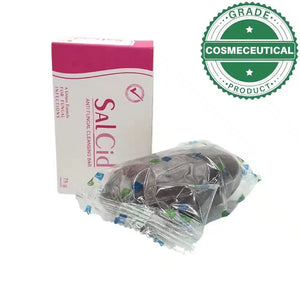
AntiFungal Cleansing Bar

SALCID ANTI FUNGAL CLEANSING BAR 75g

Rs.220.00

Pay only

Rs.

84

now

VAGISAF PRO FEMININE HYGIENE WASH 65ml

VAGISAF PRO FEMININE HYGIENE WASH 65ml

Rs.280.00

Pay only

Rs.

107

now

Bio Sel Shampoo

BIO SEL SHAMPOO FOR THE TREATMENT OF DANDRUFF, PSORIASIS, SEBORRHEIC SCALP CONDITIONS 100ml

Rs.560.00

Pay only

Rs.

214

now

KETOWIN LOTION 60ML

Ketowin Lotion 60ml (Ketoconazole) - Anti-Dandruff Treatment | derma.pk

Rs.462.00

Pay only

Rs.

177

now

BETASALIC Lotion

BETASALIC LOTION (BETAMETHASONE DIPROPIONATE + SALICYLIC ACID) 20ml

Rs.122.00

Pay only

Rs.

46

now

Ketoconazole

Cetonax 2% Lotion (Ketoconazole 2%) - Antifungal Treatment for Skin Infections (60ml)

Rs.395.00

Pay only

Rs.

151

now

KETOZ SCALP LOTION

KETOZ SCALP LOTION 60ml

Rs.388.91

Pay only

Rs.

149

now

Eradicating Fungal Pathogens: A Clinical Approach to Skin Health

Fungal infections, or mycoses, occur when dermatophytes or yeasts exploit a compromised skin barrier. These organisms feed on keratin, leading to the characteristic circular rashes, peeling, and intense itching. At Derma.pk, we emphasize a dual-action strategy: eliminating the fungus and restoring the skin's protective lipid layer.

How Antifungals Work at a Cellular Level

Unlike bacteria, fungi have complex cell walls. Clinical antifungal treatments target specific enzymes that these organisms need to survive. By disrupting the cell wall, the medication causes the fungus to die off. It is critical to continue treatment even after the visible rash has disappeared to ensure that microscopic spores are completely eradicated, preventing a recurrence.

Managing the "Itch-Scratch" Cycle

The itching associated with fungal infections is an immune response to the enzymes produced by the fungus. Scratching provides temporary relief but causes micro-tears in the skin, which can lead to secondary bacterial infections. Using a professional anti-itch cream alongside your antifungal treatment helps to break this cycle, allowing the skin to heal undisturbed.

Prevention in Humid Climates

In humid environments, moisture management is essential for preventing fungal growth. Using antifungal dusting powders in areas prone to perspiration—such as between the toes or in skin folds—helps to keep the skin dry and inhospitable to fungi. Additionally, wearing breathable fabrics and ensuring proper hygiene after exercise are key preventive measures.

When to Seek Professional Consultation

While topical treatments are highly effective for most superficial infections, some cases may require oral medication or specialized clinical oversight. If a fungal infection covers a large area of the body, affects the nails (onychomycosis), or does not show improvement within two weeks of consistent topical treatment, it is essential to consult a dermatologist for a comprehensive diagnostic evaluation.

Frequently Asked Questions

1. How long should I continue using antifungal cream?

For clinical efficacy, you should continue applying the cream for at least one week after the rash has completely disappeared. Fungal spores are resilient, and stopping treatment too early often leads to the infection returning within a few days.

2. Can I use anti-itch cream and antifungal cream together?

Yes. In fact, many dermatologists recommend using a soothing anti-itch cream to manage discomfort while the antifungal agent works to kill the infection. Apply the antifungal cream first, allow it to absorb, and then apply the soothing layer.

3. Why is my fungal infection not going away?

Common reasons include inconsistent application, stopping treatment too early, or a re-infection from contaminated clothing or footwear. It is also possible that the condition is not fungal but rather a form of dermatitis or psoriasis, which requires a different treatment approach.

4. Is athlete's foot the same as ringworm?

Yes, both are caused by a group of fungi called dermatophytes. "Athlete's foot" refers to an infection on the feet, while "ringworm" refers to the same type of infection elsewhere on the body (tinea corporis). They are treated using similar clinical antifungal agents.

5. How can I prevent fungal infections from spreading to my family?

Fungal infections are contagious. Avoid sharing towels, bed linens, or footwear with others. Wash infected clothing in hot water and ensure that common areas like shower floors are cleaned with a disinfectant regularly.

6. Can fungal infections affect the scalp?

Yes, this is known as tinea capitis. It often requires specialized antifungal shampoos or oral medications because the fungus lives deep within the hair follicles where standard creams cannot easily reach.

7. Are antifungal powders better than creams?

Creams are generally better for treating an active, localized infection because they provide a concentrated dose of medication. Powders are excellent for prevention and for use in areas that stay moist, as they help absorb sweat while providing a lower dose of antifungal protection.

8. Can I use these treatments for vaginal itching?

Itching in the sensitive intimate areas may be caused by a yeast infection (Candidiasis) or other factors. You should only use products specifically labeled for "intimate use" or those recommended by a professional, as the skin in these areas is much more delicate.

9. Will antifungal treatment help with skin darkening?

Fungal infections like pityriasis versicolor can cause light or dark patches on the skin. While the antifungal treatment will kill the fungus, the skin color may take several weeks or months to return to normal as the skin cells naturally turn over.

10. Do antifungal creams expire?

Yes. The active ingredients lose their potency over time. Always check the expiration date on the tube. Using an expired cream may be ineffective and could lead to the development of treatment-resistant fungal strains.