Hair Brushes and Combs | Detangling, Styling & Perfect Finish
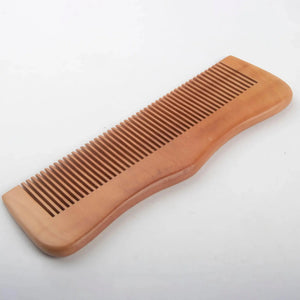
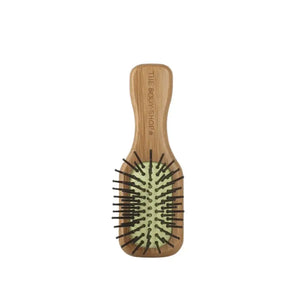
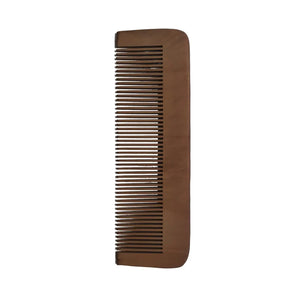
Handcrafted Peach Wood Wooden Comb
Wooden Hair Comb – Eco-Friendly Grooming Tool for Healthy, Smooth Hair
Dual Comb Power Set – Fine & Wide Tooth Comb for All Hair Types
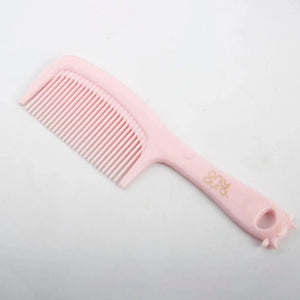
Household Medium Tooth Soft Plastic Comb for Ladies – Candy Colour
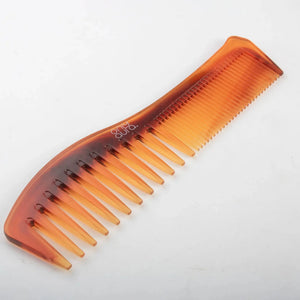
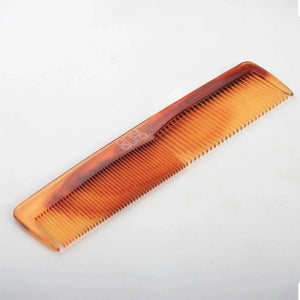
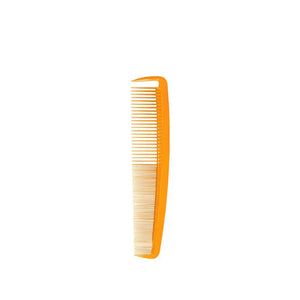
Hair Comb #12070 Durable & Comfortable Styling Comb
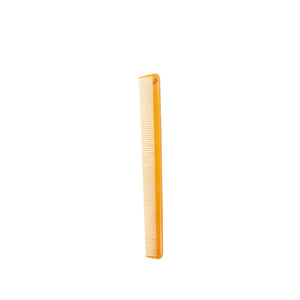
Hair Comb #12064 Strong, Lightweight & Scalp-Friendly Styling Comb
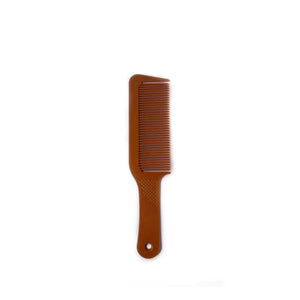
Hair Comb #12071 Durable, Lightweight & Gentle Styling Comb
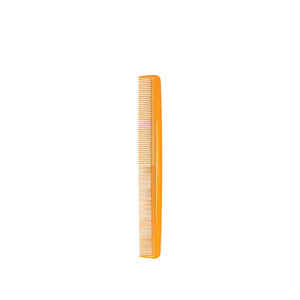
Hair Comb #12062 Durable, Lightweight & Easy Grip Styling Comb
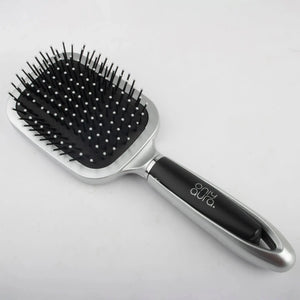
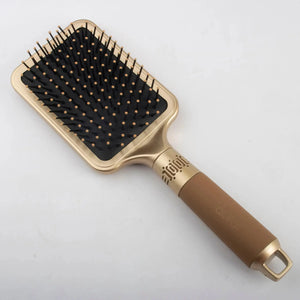
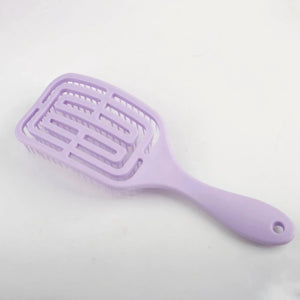
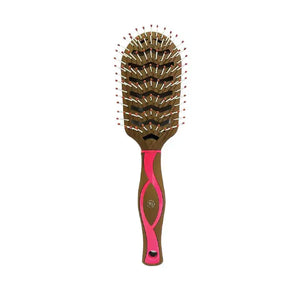
Hair Brush Cushion RCS - CM101 Gentle Detangling & Comfortable Grip
Frequently Asked Questions
Which comb is best for detangling wet hair?
A wide-tooth comb with smooth, rounded teeth gently separates knots on damp hair without tugging or breakage. Start at the ends, then work upward in small sections, ensuring you don’t pull on fragile, wet strands and cause split ends.
How often should I clean my hair brushes?
Clean your brushes at least once a month. Remove trapped hair, soak bristles briefly in warm water with mild soap, rinse, and let them air-dry bristles-down. Regular cleaning prevents oil and product buildup and keeps your scalp healthy.
What brush should I use for a smooth blowout?
A paddle brush with mixed boar and nylon bristles is ideal. The broad surface smooths hair while distributing scalp oils, and the nylon bristles help detangle. Pair with a round thermal brush to create volume and subtle bends during blow-drying.
Can bristle type affect hair health?
Yes. Natural boar bristles distribute scalp’s natural oils along the hair shaft, enhancing shine and reducing static. Nylon or mixed bristles add strength for thicker hair but should be cleaned regularly to prevent product buildup that can irritate the scalp.
What’s the difference between vented and solid brushes?
Vented brushes have open spaces that allow hot air to pass through, speeding up drying time and reducing heat exposure. Solid paddle brushes concentrate airflow on the hair surface, offering greater smoothing and shine but requiring more time when blow-drying.
How do I choose a brush for curly or textured hair?
Opt for a wide-tooth comb or a brush with flexible, widely spaced bristles. These tools detangle without disrupting curl pattern or causing frizz. Avoid fine-tooth combs or densely packed bristles that can pull and break coils.
Can brushes help reduce frizz in humid weather?
Yes—natural-bristle brushes smooth the cuticle and spread oils that act as a moisture barrier. Following up with a lightweight anti-humidity serum or leave-in conditioner before brushing can further seal cuticles and lock out excess moisture.
How often should I replace my hairbrush or comb?
Replace brushes and combs every 12–18 months or when bristles become bent, loose, or frayed. Over time, worn bristles lose their detangling ability and can snag hair, leading to damage and split ends.
What is a tail comb used for?
A tail comb features a fine-tooth comb on one end and a pointed handle for precision parting, sectioning hair for coloring, or creating intricate styles like braids. It’s an essential tool for professional styling and at-home detailing.
Are wooden combs better than plastic ones?
Wooden combs reduce static and breakage by distributing oils evenly and gently sliding through the hair. They tend to be more durable and eco-friendly than plastic combs but can cost more. Choose wood if you prioritize smooth detangling and reduced frizz.