
What Dermatologists Say About Homemade Face Masks benefits
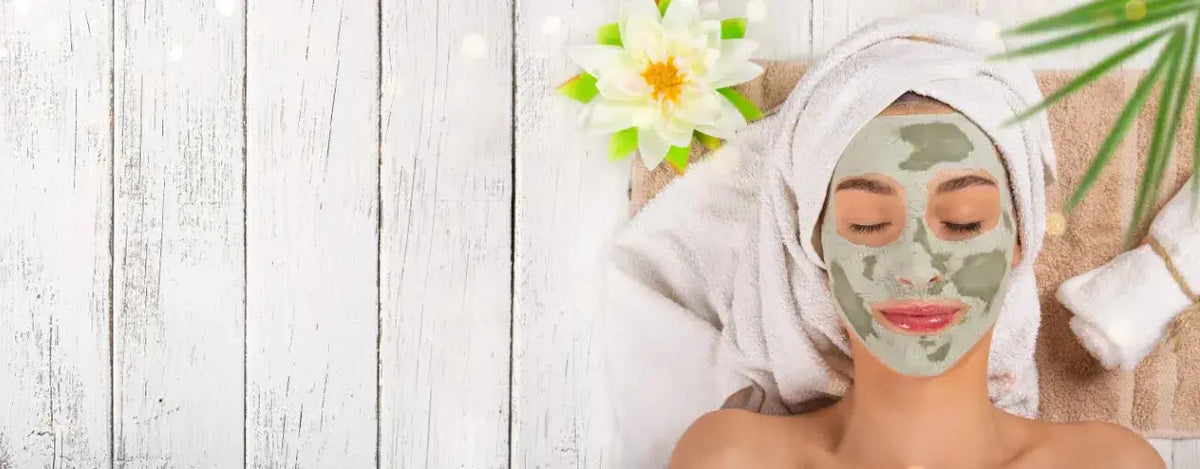
Homemade face masks are a popular, affordable way to care for your skin, but do they actually work? Dermatologists say the answer depends on the ingredients and your skin type. Here's a balanced look at the benefits and the risks.

What Dermatologists Say
Opinions vary. Some dermatologists see real value in certain natural ingredients, while others urge caution and recommend a professional consultation before trying DIY treatments, especially if you have a skin condition.
Natural Ingredients and Their Benefits
Ingredients like honey, yogurt and avocado offer moisturising and soothing properties that can benefit dry skin and sensitive skin. They're gentle, hydrating and widely used in homemade recipes.

Potential Risks
Harsh ingredients such as lemon juice or baking soda can irritate and disrupt the skin barrier, and improper mixing or contamination can trigger infections or allergic reactions. Patch-test anything new, and avoid acidic kitchen ingredients on the face.

Consider Your Skin Type
Everyone's skin is different. If you're prone to acne or have specific concerns, targeted serums and treatments formulated and tested for your skin type are a safer, more reliable choice than a DIY mask.
The Bottom Line
Homemade masks can be a fun supplement, but approach them with care and consult a dermatologist if you have concerns. For proven results, explore dermatologist-backed skincare and order in Pakistan at Derma.pk, or message WhatsApp +92 320 5999650.
Related articles
 BioAqua Sheet Masks in Pakistan: Pick the Right One for Your Skin (2026)
 Best Budget Body Sprays & Deodorants in Pakistan: Smell Fresh for Less
 Snail Mucin for Skin: Benefits, How to Use It & the Best Products in Pakistan