
Best Allergy Cream for Skin Relief - Ultimate Guide to Soothe Irritation
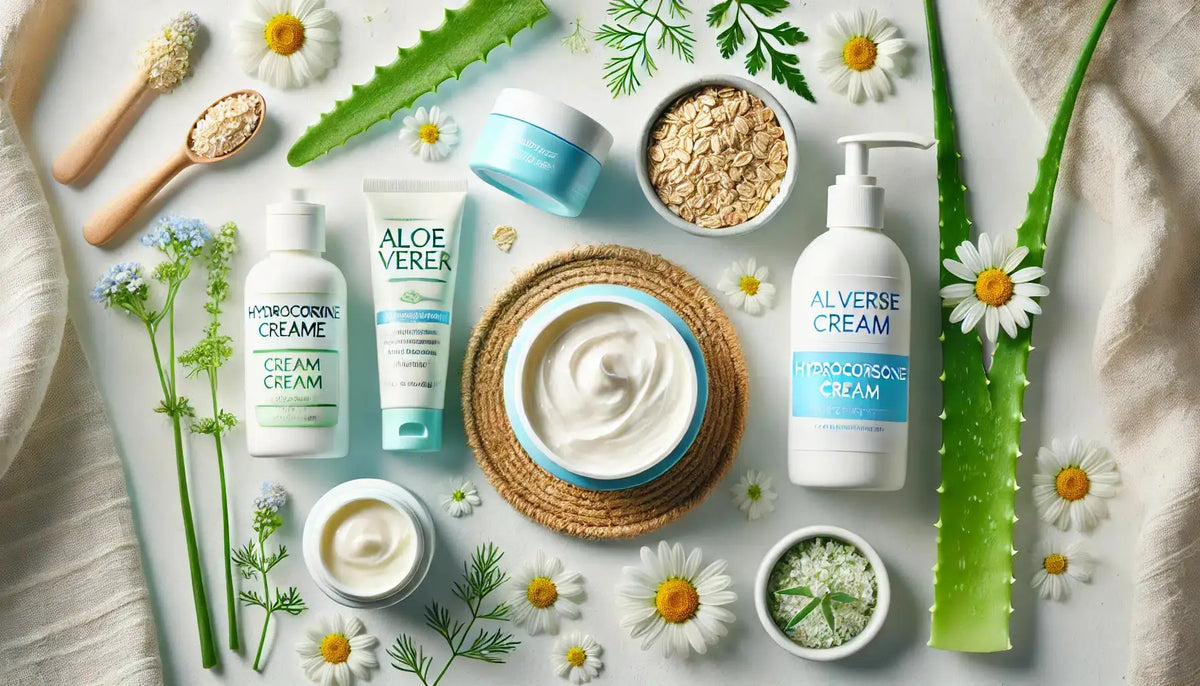
When a skin allergy flares, the right allergy cream can bring fast relief — calming itchy hives, soothing irritation, and helping you feel comfortable in your skin again. This guide covers how allergy creams work, what to look for, and how to use them, with options for sensitive, allergy-prone skin available at Derma.pk.
How Skin Allergies Affect You
A skin allergy happens when the immune system overreacts to an allergen. Common triggers include pollen, fragrances, harsh chemicals, and certain foods. Typical symptoms are:
- Itchy skin — persistent itching that can lead to irritation or broken skin.
- Hives — raised red or skin-coloured welts.
- Redness and inflammation — swollen, tender skin.
- Dryness and peeling — chronic flare-ups can strip moisture and leave skin dry.
What an Allergy Cream Does
A good allergy cream relieves itching, reduces redness and swelling, protects the skin barrier from further irritation, and restores moisture to support healing. Used correctly, it can noticeably improve comfort and skin health.
Types of Allergy Cream
- Antihistamine creams — block histamine, the compound behind allergic reactions.
- Hydrocortisone and corticosteroid creams — mild steroids that calm redness, itching, and inflammation.
- Natural and barrier-repair creams — soothing ingredients like aloe vera and chamomile that also help restore the barrier, ideal for sensitive skin.
Key Ingredients to Look For
- Hydrocortisone — relieves redness, itching, and swelling.
- Aloe vera — naturally soothes and hydrates irritated skin.
- Colloidal oatmeal — calms inflammation and adds moisture.
- Chamomile extract — reduces redness and supports healing.
- Ceramides — strengthen the barrier to help prevent future reactions.
Avoid harsh chemicals, synthetic fragrance, and alcohol-based products that can worsen irritation.

How to Apply Allergy Cream
- Cleanse the affected area gently with a mild cleanser.
- Pat the skin dry with a clean towel.
- Apply a thin layer and massage in lightly.
- Patch-test new creams first, and don't skip moisturiser — hydration still matters.
- Use sparingly; overuse can irritate skin or reduce effectiveness.
Safety Precautions
Allergy creams are generally safe, but a few cautions help. Avoid prolonged use of steroid creams, which can thin the skin over time. Stop use if symptoms worsen. If you're pregnant, breastfeeding, treating young children, or dealing with a stubborn condition such as eczema, consult a dermatologist. Mild redness, dryness, or stinging is usually temporary.

Conclusion
Skin allergies don't have to disrupt your life. With the right allergy cream — soothing ingredients and a dermatologist-recommended formula — you can keep itching and irritation under control. Explore allergy and sensitive-skin creams at Derma.pk for clearer, more comfortable skin.
 Snail Mucin for Skin: Benefits, How to Use It & the Best Products in Pakistan
 K-Beauty 101: The Science Behind Korean Skincare's Global Rise
 Under-Eye Dark Circles: Causes & Treatments That Actually Work
 Fungal Skin Infections in Pakistan: Ringworm, Jock Itch & Athlete's Foot