
Protein Treatment for Hair: A Complete Guide to Stronger, Healthier Locks
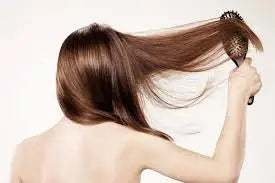
Are you struggling with weak, brittle, or damaged strands? Protein treatment for hair can be a game-changer in restoring strength and resilience to your locks. This treatment replenishes essential proteins that are lost due to heat styling, chemical processing, and environmental damage. In this comprehensive guide, we'll explore everything you need to know about protein hair treatments, from understanding how they work to selecting the best options for your hair type.
Understanding Protein Treatment for Hair
What Is Protein Treatment?
Protein treatment for hair is a specialized conditioning process that infuses hair with proteins, particularly keratin, hydrolyzed wheat protein, or silk protein. These proteins bond to damaged areas of the hair shaft, filling in gaps in the cuticle and creating a smoother, stronger structure. The result is hair that is more resistant to breakage, better able to retain moisture, and significantly less prone to damage.
Why Your Hair Needs Protein
Hair is primarily composed of a protein called keratin. When this protein is damaged or depleted through heat styling, bleaching, coloring, or environmental stress, hair becomes weak, porous, and prone to breakage. Protein treatments restore this crucial structural component, essentially rebuilding your hair from the inside out. Signs that your hair needs a protein treatment include excessive breakage, mushy texture when wet, loss of elasticity, and increased frizz.
Types of Protein Treatments
Light Protein Treatments
Light protein treatments are ideal for hair that needs a gentle boost rather than intensive repair. These treatments contain smaller protein molecules that can penetrate the hair shaft more easily and are best for regular maintenance. They're perfect for hair that's slightly dry or beginning to show signs of damage.
Intensive Protein Treatments
Intensive treatments are designed for severely damaged hair that needs significant repair. These treatments contain larger amounts of protein and often include additional strengthening ingredients like collagen or ceramides. They're particularly beneficial for hair that's been heavily processed or is showing significant breakage.
Keratin Treatments
Keratin treatments are a specialized form of protein treatment that not only strengthens hair but also smooths the cuticle to reduce frizz and improve manageability. These treatments can last several months and are particularly beneficial for those with naturally curly, wavy, or frizzy hair who desire smoother, more manageable locks.
Benefits of Protein Treatment for Hair
Strengthening and Damage Repair
The primary benefit of protein treatments is their ability to strengthen and repair damaged hair. By filling in gaps and weak spots in the hair shaft, protein treatments make hair significantly more resistant to further damage. This means less breakage during combing, styling, and everyday wear.
Improved Elasticity and Moisture Retention
Protein-treated hair has better elasticity, meaning it can stretch without breaking. This improved elasticity also helps hair retain moisture more effectively, as the strengthened cuticle can better maintain the hair's internal moisture balance.
Reduced Frizz and Enhanced Shine
When protein fills in damaged areas of the cuticle, it creates a smoother surface that reflects light better and resists humidity. This results in reduced frizz, increased shine, and overall improved hair appearance.
How to Choose the Right Protein Treatment
Assessing Your Hair's Needs
Before selecting a protein treatment, it's important to assess your hair's current condition. Perform a simple elasticity test: take a strand of wet hair and gently stretch it. Healthy hair should stretch and return to its original length. If it stretches excessively without returning to its original shape, your hair needs protein. If it breaks immediately with minimal stretch, it may need moisture instead.
Matching Treatment Intensity to Hair Condition
The severity of your hair damage should guide your choice of protein treatment intensity. For slightly compromised hair, a light or medium-strength treatment applied monthly may be sufficient. For severely damaged hair, an intensive treatment may be needed initially, followed by regular maintenance treatments.
Application Guide for Protein Treatment
Pre-Treatment Preparation
Start with clean, freshly shampooed hair to ensure the protein can penetrate effectively. Gently towel-dry hair to remove excess water, as damp hair is more receptive to treatments than soaking wet hair.
Application Process
Apply the protein treatment evenly throughout your hair, focusing particularly on the most damaged areas such as the ends and any sections that have been chemically treated. Use a wide-tooth comb or treatment brush to ensure even distribution from roots to ends.
Processing Time and Rinsing
Follow the specific instructions for your chosen treatment, but most require leaving the product on for 15–30 minutes. Using a heat cap or sitting under a hooded dryer during this time can enhance penetration and effectiveness. Rinse thoroughly with cool water to seal the cuticle and lock in the treatment benefits.
Maintaining Protein-Moisture Balance
The Importance of Balance
While protein is essential for hair strength, too much protein can make hair stiff, dry, and brittle—a condition known as protein overload. Maintaining a healthy balance between protein and moisture is crucial for optimal hair health.
Post-Treatment Care
Always follow a protein treatment with a moisturizing conditioner or deep conditioning treatment to restore the protein-moisture balance. In your ongoing routine, alternate between protein and moisturizing treatments based on your hair's response and needs.
Frequency of Protein Treatments
General Guidelines
For most hair types, a protein treatment every 4–6 weeks is sufficient for maintenance. However, this can vary based on your hair's condition and how it responds to treatment. Those with significantly damaged or frequently heat-styled hair may benefit from more frequent applications, while those with naturally strong hair may only need treatments once every couple of months.
Conclusion
Protein treatment for hair is an effective solution for anyone dealing with weak, damaged, or overly porous hair. By understanding how protein treatments work and how to use them properly, you can significantly improve your hair's strength, elasticity, and overall health. Remember to maintain the protein-moisture balance for best results and consult a professional stylist if you're unsure about the right treatment for your hair type.
 BioAqua Sheet Masks in Pakistan: Pick the Right One for Your Skin (2026)
 Best Budget Body Sprays & Deodorants in Pakistan: Smell Fresh for Less
 Snail Mucin for Skin: Benefits, How to Use It & the Best Products in Pakistan
 K-Beauty 101: The Science Behind Korean Skincare's Global Rise