
Seborrheic Eczema: Conquer Flaky Scalp & Itchy Skin
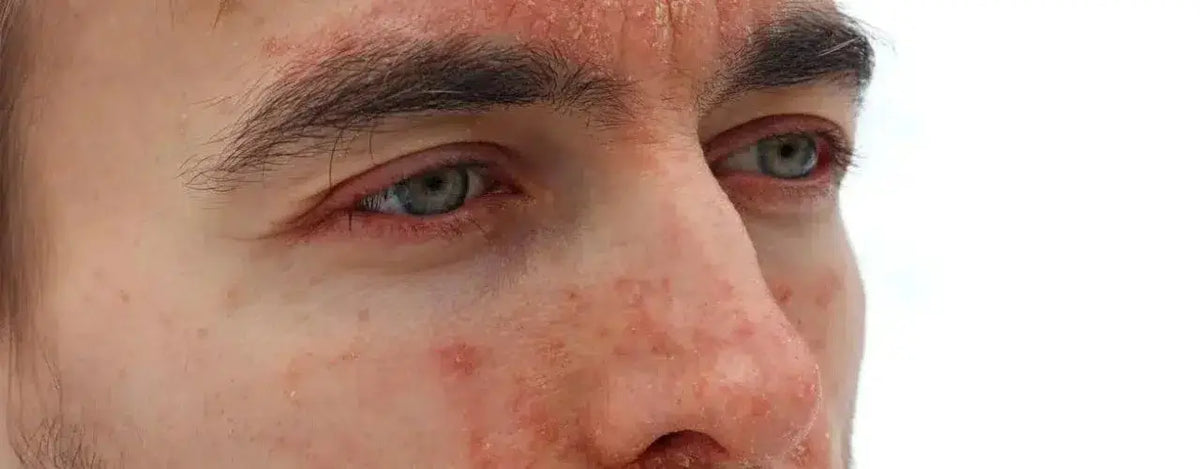
Seborrheic dermatitis, also known as seborrheic eczema or dandruff, is a common skin condition that causes red, itchy, and flaky patches. It tends to affect areas with a high concentration of oil glands, such as the scalp, eyebrows, and sides of the nose.
Causes
It is likely driven by a combination of Malassezia yeast overgrowth, genetics, sebum production, and immune factors. External triggers include stress, cold weather, and certain medications. Because oil plays a role, it often overlaps with seborrheic dermatitis flare-ups on oily skin.
Symptoms
- Flaky skin: dandruff on the scalp, eyebrows, and beard
- Greasy patches: an oily appearance alongside flaking
- Red, itchy patches: inflammation and discomfort
Treatment
Most cases respond well to a consistent routine.
Medicated Shampoos
Shampoos containing ketoconazole, selenium sulfide, zinc pyrithione, or salicylic acid used 2–3 times per week help control yeast and flaking. A gentle anti-dandruff routine keeps symptoms in check between flare-ups.
Topical Creams and Lifestyle
Short-term hydrocortisone or ketoconazole creams calm inflammation, while stress management and gentle skincare reduce recurrence. Soothing an itchy scalp early helps prevent scratching and further irritation.
When to See a Dermatologist
Seborrheic eczema is manageable with the right treatment. For persistent or severe flare-ups, consult a dermatologist for a personalised plan. Our Skin Clinic is located in Bahria Town, Lahore (WhatsApp: +92 320 5999650).
 Snail Mucin for Skin: Benefits, How to Use It & the Best Products in Pakistan
 K-Beauty 101: The Science Behind Korean Skincare's Global Rise
 Under-Eye Dark Circles: Causes & Treatments That Actually Work
 Fungal Skin Infections in Pakistan: Ringworm, Jock Itch & Athlete's Foot