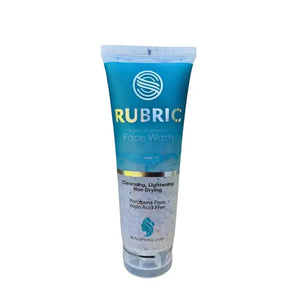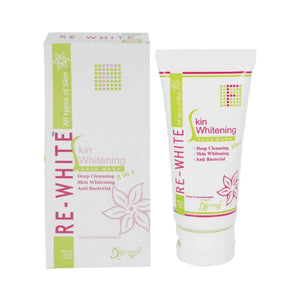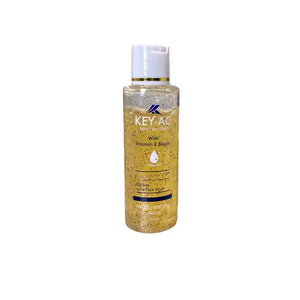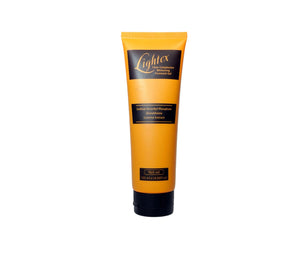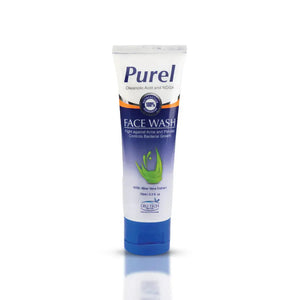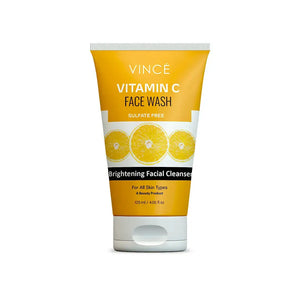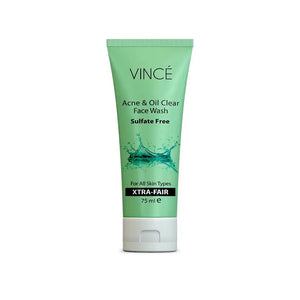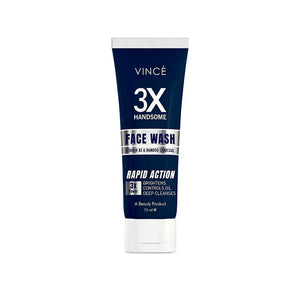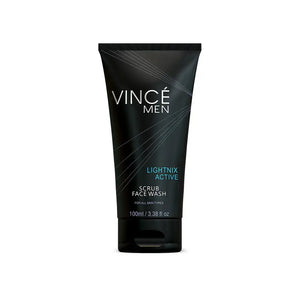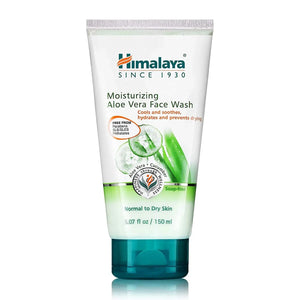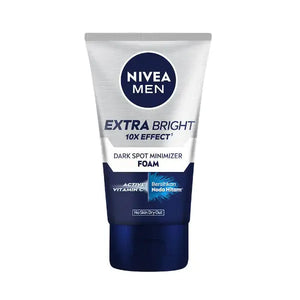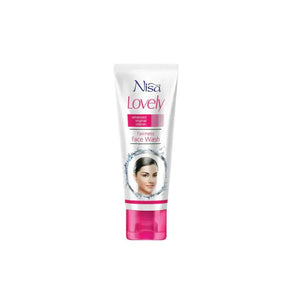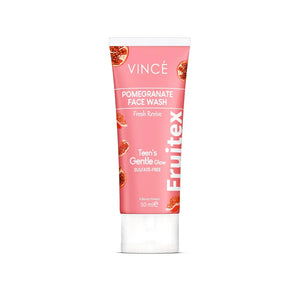
Foaming cleansers are a type of facial cleanser characterized by their ability to generate a rich, bubbly lather when mixed with water and agitated. They typically start as a gel, liquid, or cream texture. The foam is produced by the presence of surfactants (surface-active agents) in their formulation. These surfactants are cleansing agents that effectively break down the surface tension of water, allowing them to lift and suspend oil, dirt, makeup, and other impurities from the skin's surface. This creates the satisfying foam that helps to efficiently carry away impurities when rinsed, leaving the skin feeling deeply clean and refreshed.
Foaming cleansers are particularly well-suited for skin types that tend to produce more oil and benefit from a deeper, more invigorating cleanse. They are highly beneficial for oily skin, as they excel at dissolving and removing excess sebum, which helps to control shine and prevent clogged pores. Acne-prone skin also benefits significantly from their deep-cleansing action, which helps to decongest pores, remove acne-causing bacteria, and allow any active ingredients in the cleanser to penetrate effectively. For combination skin, foaming cleansers can effectively cleanse the oilier T-zone, offering a refreshing feel without necessarily over-drying the normal-to-dry areas if the formula is balanced and non-stripping. Individuals who wear heavy makeup or sunscreen also find foaming cleansers effective as the lather helps to break down and lift off these products efficiently.
While the cleansing power of foaming cleansers is their main advantage, some formulations can indeed be too harsh or drying for certain skin types, especially if they contain strong surfactants like Sodium Lauryl Sulfate (SLS) or a high concentration of alcohol. These ingredients can strip the skin of its natural oils, leading to a "squeaky clean" or tight feeling, which indicates that the skin's protective barrier has been compromised. Over-stripping can result in dryness, irritation, and can paradoxically trigger the skin to produce even more oil in an attempt to compensate. To avoid this, it's crucial to choose foaming cleansers that are pH-balanced, "sulfate-free," "soap-free," and free from harsh alcohols, even if you have oily skin. Pay attention to how your skin feels after cleansing; it should feel clean and refreshed, not tight or uncomfortable.
Yes, foaming cleansers can be highly effective in helping to manage acne and reduce breakouts, particularly for oily and acne-prone skin types. Their deep-cleansing action is crucial for removing excess oil, dirt, and dead skin cells that can clog pores, which are primary contributors to acne formation. Many foaming cleansers formulated for acne-prone skin also incorporate active ingredients specifically designed to combat blemishes. Common examples include Salicylic Acid (a Beta Hydroxy Acid that exfoliates within the pore and dissolves oil), Benzoyl Peroxide (an antibacterial agent that kills acne-causing bacteria), Glycolic Acid (an Alpha Hydroxy Acid that exfoliates the skin surface), and Tea Tree Oil (known for its natural antibacterial and anti-inflammatory properties). These ingredients, delivered through a foaming cleanser, help to purify pores, reduce inflammation, and prevent new breakouts.
For most skin types that benefit from foaming cleansers (oily, acne-prone, and combination), using it twice daily – once in the morning and once in the evening – is generally recommended. In the morning, it helps to remove any overnight oil buildup and prepares the skin for the application of daytime skincare products. In the evening, it is essential for thoroughly cleansing away makeup, sunscreen, accumulated dirt, and environmental pollution from the day. This consistent twice-daily use is key to achieving and maintaining clear, balanced skin. However, if your skin ever feels overly dry or tight, you might consider adjusting to once-daily use (e.g., only in the evening) and using a milder, non-foaming cleanser in the morning, or switching to a gentler foaming formula.
While some foaming cleansers with strong makeup-removing capabilities can be used as a standalone cleanser, they are most often recommended as the second step in a double cleansing routine, especially for those who wear heavy makeup, waterproof sunscreen, or have very oily skin. The first step typically involves an oil-based cleanser (like a cleansing oil or balm) to effectively break down and dissolve oil-soluble impurities. Following this with a foaming cleanser as the second step ensures that any remaining oil-based residue, along with water-soluble impurities like sweat and dirt, are thoroughly removed, leaving the skin immaculately clean and refreshed. This two-step method provides a comprehensive cleanse without over-stripping.
Yes, while foaming cleansers are often associated with stronger cleansing, there are increasingly many "gentle foaming" formulations available that are suitable for normal skin and, with caution, even for some sensitive skin types. These gentle versions typically use milder surfactants that create a soft, airy foam rather than a dense, stripping lather. They are often labeled "sulfate-free," "soap-free," "fragrance-free," "dye-free," and "hypoallergenic," and may contain hydrating ingredients like Glycerin or Ceramides to help prevent dryness. If you have sensitive skin but prefer the feel of a foam, it's crucial to select one of these gentle options and always perform a patch test before full facial application.
To effectively create and use the foam from a foaming cleanser, start by wetting your face thoroughly with lukewarm water. Dispense a small, pea-sized amount of the gel, liquid, or cream cleanser into the palm of your hand. Add a few drops of lukewarm water to the cleanser in your palm, then gently rub your hands together to create a rich, airy foam. Once the foam is formed, apply it to your wet face and neck, massaging gently in circular motions for about 30 to 60 seconds. Pay extra attention to areas prone to oiliness or congestion, such as the T-zone. Finally, rinse your face completely with lukewarm water until all traces of the cleanser are gone, and gently pat your skin dry with a clean, soft towel before proceeding with your next skincare steps.
Foaming cleansers can indirectly help minimize the appearance of enlarged pores by keeping them clean and free of blockages. Pores can appear larger when they are clogged with excess oil, dead skin cells, and impurities, as this debris stretches their opening. The deep-cleansing and purifying action of foaming cleansers, especially those formulated with exfoliating acids like Salicylic Acid, effectively clears out these blockages. By preventing and removing accumulated debris from within the pores, foaming cleansers help them return to their natural, less noticeable size, contributing to a smoother and more refined overall skin texture.
Choosing Derma.pk for your foaming cleanser needs offers several compelling advantages. We guarantee 100% authentic foaming cleansers, as we meticulously source all our products directly from authorized distributors and highly reputable national and international dermatological brands, ensuring both quality and safety. Our collection features a diverse and specialized selection of foaming cleansers, including options with potent active ingredients tailored for oily, acne-prone, and combination skin, as well as balanced formulations suitable for normal skin. We provide exceptional convenience, allowing you to browse and purchase your essential skincare items from the comfort of your home, complemented by fast and discreet nationwide delivery across Pakistan. Moreover, you can benefit from competitive pricing on high-quality and effective foaming cleansers, alongside detailed product information on our platform to assist you in making informed choices to elevate your daily cleansing routine.