Iron & Bone Health Supplements in Pakistan | Derma.pk
D-Max Chewable 2000IU – Vitamin D3 Supplement for Bone and Immunity
Vivioptal Multi 30 Softgel Capsules – Essential Multivitamins for Overall Health
Edion Softgel Capsule – Vitamin D3 200,000 IU & Vitamin E for Bone & Immune Health
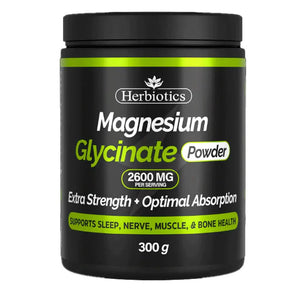
Magnesium 500mg Tablets 60s
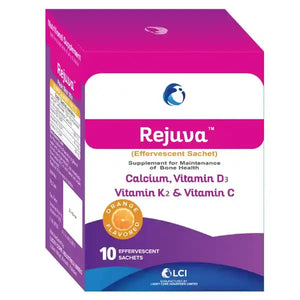
Rejuva Tablets 30s - Calcium & Vitamin D for Strong Bones
Sunny D 5000IU Softgel Capsules 60's – Vitamin D3 Supplement for Bone & Immunity
Oralic D Oral Drops 2000 IU Vitamin D3 for Deficiency Support
Abocal Effervescent Tablets — Calcium + Vitamin D3 + Vitamin C + B6
Edge-3 200,000 IU – High Strength Vitamin D3 for Bone Health
Vivioptal Protect 30 Softgel Capsules – Antioxidant Multivitamins for Protection
Nutrifactor Vitamom Postpartum Multivitamin
Frequently Asked Questions
1. Why does my iron supplement cause stomach upset, and how can I prevent it?
Traditional iron salts like ferrous sulfate can be irritating to the gastric lining. The iron supplements at Derma.pk often use chelated or liposomal forms, which are designed for better tolerability. To further reduce upset, try taking your iron with a small amount of food, though avoiding calcium-rich foods or caffeine at the same time will help with absorption.
2. Can I take Calcium and Iron supplements together?
It is not recommended to take them at the exact same time. Calcium can compete with iron for absorption in the digestive tract, making both less effective. For the best clinical results, space these supplements at least two to four hours apart.
3. How do I know if I am deficient in Vitamin D?
Symptoms of Vitamin D deficiency can be subtle, including bone pain, muscle weakness, or frequent illness. However, many people have no symptoms at all. A simple blood test is the most accurate way to determine your levels. Given that Vitamin D is synthesized via sunlight, many people in urban environments require supplemental D3.
4. What is the benefit of Vitamin K2 in a bone health supplement?
Vitamin K2 acts as a "traffic controller" for calcium. While Vitamin D3 helps you absorb calcium, K2 ensures that the calcium goes into your bones and teeth rather than accumulating in your arteries or kidneys, where it could cause health issues.
5. Can men benefit from bone health supplements as well?
Absolutely. While bone density loss is more commonly discussed in relation to women's health, men also experience a gradual decline in bone mass as they age. Maintaining adequate levels of Calcium, Magnesium, and Vitamin D is essential for everyone to prevent fractures and maintain mobility.
6. Does Vitamin C help with iron absorption?
Yes, Vitamin C significantly enhances the absorption of non-heme iron (the type found in most supplements and plant-based foods). Taking your iron supplement with a glass of orange juice or a Vitamin C tablet can improve its efficacy.
7. How long does it take to feel the effects of an iron supplement?
While your energy levels may start to improve within a few weeks, it typically takes three to six months of consistent supplementation to fully replenish the body's iron stores and see significant changes in blood tests.
8. Are there any side effects to taking too much Calcium?
Excessive calcium intake can lead to constipation and may increase the risk of kidney stones in some individuals. It is important to follow the recommended dosage on the professional packaging or follow the specific advice of your healthcare provider.
9. Why is Magnesium included in bone health formulas?
Magnesium is a vital cofactor in the chemical reactions that regulate calcium levels in the body. About 60% of the body's magnesium is stored in the bones, and it contributes to a denser, more resilient bone structure.
10. Do I need to take bone supplements if I eat a lot of dairy?
While dairy is a good source of calcium, many factors can affect how much of that calcium your body actually uses, including your Vitamin D levels and digestive health. Supplements provide a controlled, reliable dose to ensure your daily requirements are met regardless of dietary fluctuations.