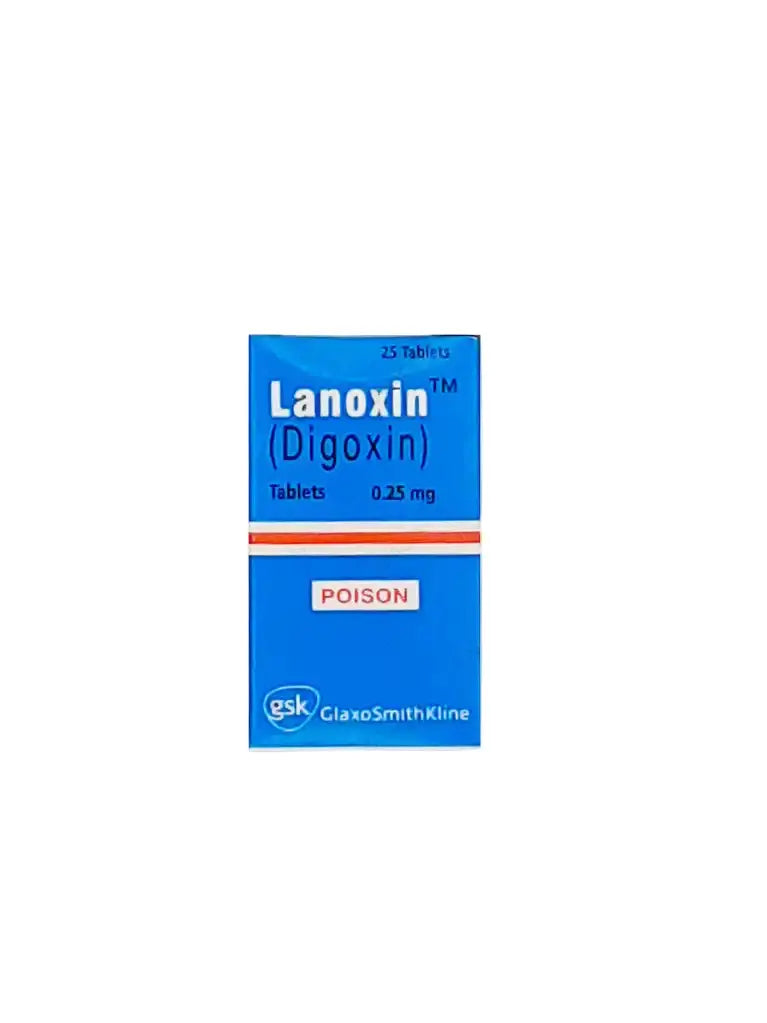
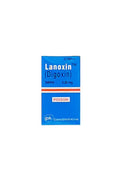

Lanoxin Tablets 250mcg – Digoxin for Heart Failure

Pay in 3 Installments of
Rs.
34


 JazzCash
 easypaisa
 NayaPay


 Bank transfer
Cash on Delivery
Bank transfer
Cash on Delivery
Description
Lanoxin Tablets 250mcg – Digoxin Cardiac Glycoside for Heart Failure and Arrhythmia
Lanoxin Tablets 250mcg contain Digoxin, a cardiac glycoside used to manage chronic heart failure and atrial fibrillation or flutter. Digoxin strengthens the force of heart contractions and slows the heart rate, improving cardiac output and circulation. Important: Digoxin has a narrow therapeutic index — serum levels must be monitored regularly. Use only under strict medical supervision with a valid prescription.
Benefits of Lanoxin 250mcg
- Improves Heart Pumping: Increases myocardial contractility to enhance cardiac output in heart failure.
- Regulates Heart Rhythm: Controls ventricular rate in atrial fibrillation and atrial flutter.
- Reduces Heart Failure Symptoms: Relieves shortness of breath, fatigue, and fluid retention.
- Long-Established Cardiac Drug: Decades of clinical use in heart failure and arrhythmia management.
- Improves Quality of Life: Enhances exercise tolerance and reduces hospitalisation in eligible patients.
How to Use Lanoxin 250mcg
Take Lanoxin Tablets exactly as prescribed by your cardiologist or physician. Swallow with water at the same time each day. Do not stop or alter the dose without medical advice. Avoid antacids, high-fibre meals, and herbal supplements like St. John's Wort near dosing time as they may reduce absorption. Regular monitoring of serum digoxin levels, renal function, and electrolytes (especially potassium) is essential during treatment.
Safety Information
Lanoxin is a prescription-only cardiac medicine. Digoxin toxicity signs include nausea, vomiting, visual disturbances (yellow-green halos), and cardiac arrhythmias — seek immediate medical attention if these occur. Many drugs increase digoxin levels (amiodarone, quinidine, verapamil) — inform your doctor of all medications. Avoid in hypertrophic obstructive cardiomyopathy and Wolff-Parkinson-White syndrome unless specifically indicated. Browse Tablets and Capsules or General Medicines at Derma.pk for authentic cardiac medications with nationwide delivery.
Usage & Benefits
- Improves Cardiac Output: Increases myocardial contractility in congestive heart failure.
- Regulates Heart Rhythm: Controls ventricular rate in atrial fibrillation and flutter.
- Reduces Heart Failure Symptoms: Relieves breathlessness, fatigue, and ankle swelling.
- Improves Exercise Tolerance: Enhances quality of life in chronic heart failure patients.
- Long-Established Therapy: Decades of clinical evidence in cardiac management.
How To Use
1. Take exactly as prescribed by your cardiologist or physician — do not adjust dose without advice.
2. Swallow with water at the same time each day for consistent blood levels.
3. Avoid antacids, high-fibre meals, and St. John's Wort near dosing time as they reduce absorption.
4. Regular monitoring of serum digoxin levels, renal function, and electrolytes is essential.
5. Do not stop this medicine without consulting your doctor.
FAQs
What is Lanoxin used for?
It treats heart failure and atrial fibrillation by strengthening heart contractions and regulating rhythm.
Why does Digoxin require monitoring?
Digoxin has a narrow therapeutic index — toxic levels cause arrhythmias and vision changes.
What are signs of Digoxin toxicity?
Nausea, vomiting, yellow-green visual halos, and irregular heartbeat — seek immediate medical attention.
Which drugs interact with Lanoxin?
Amiodarone, quinidine, and verapamil raise digoxin levels — inform your doctor of all medications.
Can Lanoxin cure heart failure?
No — it manages symptoms and improves heart function but does not cure the underlying condition.