
Melasma Treatment Cream in Pakistan: Top Picks & Prices
Last updated: 19 June 2026 · Reviewed by Dr. Eram Razzaq, Consultant Dermatologist (PMDC 50606-B), June 2026.
Finding the right melasma treatment cream in Pakistan can feel overwhelming — especially when our intense sun, heat and humidity make those stubborn brown and grey-brown patches harder to fade. The good news: with a dermatologist-guided routine and the right active ingredients, most people can lighten pigmentation and keep it from coming back. In this guide, you'll learn what triggers melasma, the proven ingredients to look for, the best melasma creams available at Derma.pk with 2026 prices, and when to see a dermatologist.
What Causes Melasma?
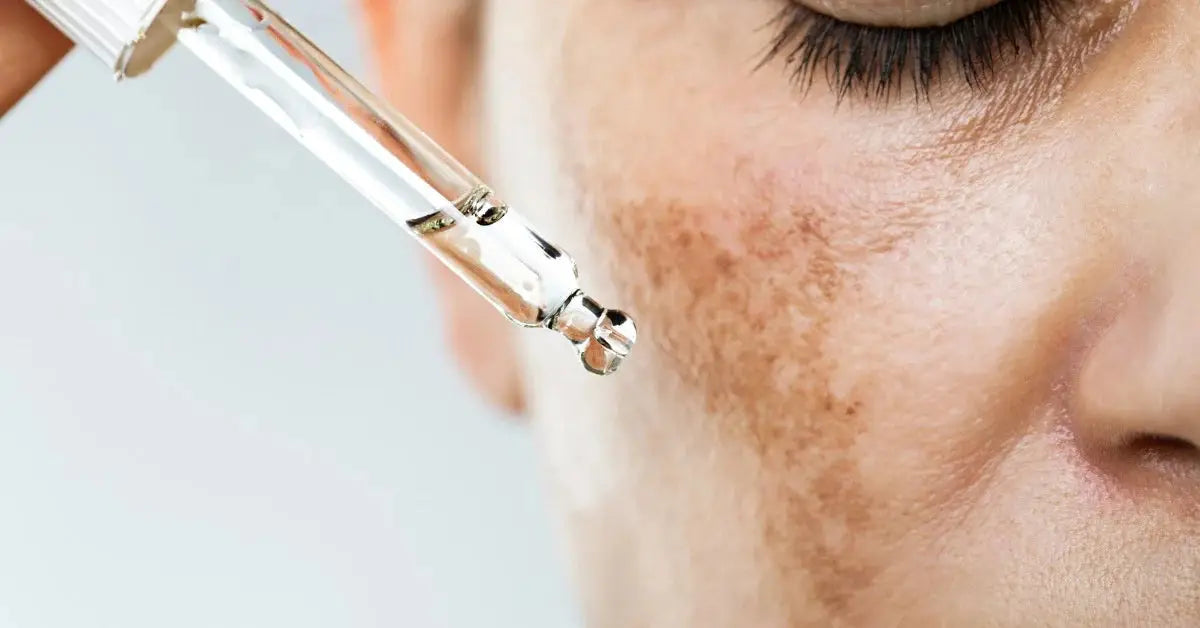
Melasma is a common form of hyperpigmentation that produces dark patches, usually on the cheeks, forehead, upper lip and nose. The exact cause isn't fully understood, but the main triggers are well established:
- Sun exposure: UV rays switch on pigment-producing cells (melanocytes), driving excess melanin. This is the single biggest trigger.
- Hormones: Pregnancy, birth-control pills and hormone therapy can all set off melasma — which is why it's sometimes called the "mask of pregnancy".
- Genetics: A family history of melasma raises your risk.
- Heat and visible light: Beyond UV, ambient heat and even blue light from screens can worsen melasma — a real factor during long Pakistani summers.
- Skin irritation: Harsh products or aggressive treatments can cause post-inflammatory pigmentation that mimics or worsens melasma.
Why Pakistani Heat & UV Make Melasma Worse
In cities like Karachi, Lahore and Multan, summer UV levels and prolonged heat are especially tough on pigment-prone skin. Pigmentation that fades in winter often darkens again by mid-summer. That's why daily, broad-spectrum sun protection is non-negotiable — without it, even the best cream struggles to deliver lasting results. Pair your treatment with a high-SPF sunscreen from the sunscreen & SPF range, ideally one with iron oxide to help block visible light.
Proven Ingredients to Look For in a Melasma Cream
Effective melasma creams work by slowing melanin production, reducing inflammation and encouraging skin renewal. The most evidence-backed ingredients include:
1. Tranexamic Acid
Originally a medicine for bleeding, tranexamic acid has become a standout for stubborn melasma. A systematic review and meta-analysis found it reduced melasma severity (MASI) and melanin levels with a good safety profile (NCBI/PMC). It's available in topical serums and, under medical supervision, oral form. Try the Healers Pharma 5% Tranexamic + 4% Niacinamide Serum.
2. Hydroquinone (2–4%)
Long considered a gold-standard skin-lightener, hydroquinone blocks melanin formation and is widely prescribed for melasma. Because it can cause irritation and should not be used continuously for long periods, it is best used under dermatologist supervision.
3. Kojic Acid & Alpha Arbutin
These gentler brighteners inhibit tyrosinase, the enzyme behind melanin production, and suit people who can't tolerate hydroquinone. A kojic-acid option like Melano Cream (Kojic Acid + Vitamin C & E) is a popular, affordable starting point — see our full kojic acid cream price guide for Pakistan for more picks.
4. Azelaic Acid
A gentle yet effective choice — often suitable for sensitive or acne-prone skin — azelaic acid fades pigment while calming inflammation. See the Healers Pharma Azelaic Acid Compound Cream.
5. Niacinamide & Glutathione
Niacinamide strengthens the skin barrier and helps even tone, while glutathione is a popular antioxidant brightener. The Healers Pharma Glutathione 5% + Niacinamide 4% Brightening Cream combines both. The same brightening actives also help with pigmentation elsewhere — see our guide to the best creams for dark underarms.
Best Melasma Treatment Creams in Pakistan (2026 Prices)
Here are dermatologist-favourite, in-stock options at Derma.pk with their latest verified prices. Tap any product for the live price and full ingredient list.
| Product | Key Actives | Price (PKR) |
|---|---|---|
| Trans Asian Cosmelan Skin Brightening Cream 25g | Multi-acid brightening complex | Rs. 1,495 |
| Healers Pharma 5% Tranexamic + 4% Niacinamide Serum 30ml | Tranexamic acid + niacinamide | Rs. 2,150 |
| Healers Pharma Glutathione 5% + Niacinamide 4% Cream | Glutathione + niacinamide | Rs. 1,950 |
| Pinktone Whitening & Melasma Treatment Serum | Brightening blend for even tone | Rs. 2,895 |
| Melasco Melasma Cream 30g | Alpha arbutin, kojic acid, vitamin C | Rs. 850 |
| Glutox Bar (Glutathione + Vitamin C) | Daily brightening cleanser bar | Rs. 572 |
For sensitive skin or long-term maintenance, gentler arbutin/kojic options like Melasco or a tranexamic serum are a good start. For stubborn, long-standing melasma, a dermatologist may add prescription-strength hydroquinone or in-clinic treatments.
Beyond Creams: Other Melasma Treatments
Topicals do most of the heavy lifting, but a dermatologist may combine them with:
- Chemical peels (glycolic, lactic or mandelic acid) to gently exfoliate pigmented layers.
- Laser/energy devices for resistant cases — these must be done by a qualified dermatologist, as the wrong settings can worsen melasma.
- Daily sunscreen, the most important step of all. A broad-spectrum SPF 50 with iron oxide blocks UVA, UVB and visible light.
When to See a Dermatologist
Melasma is a chronic condition that can be controlled but not always permanently cured. See a dermatologist if:
- Your pigmentation isn't improving after 8–12 weeks of consistent treatment and sun protection.
- You want to use prescription ingredients such as hydroquinone or oral tranexamic acid.
- You're pregnant or breastfeeding — several active ingredients should be paused, so get tailored advice.
- The patches are changing in an unusual way, or you're unsure whether it's truly melasma.
The American Academy of Dermatology confirms that any melasma plan should combine targeted treatment with strict sun protection, and that hydroquinone and tretinoin are mainstays applied under guidance (AAD: Melasma diagnosis and treatment).
A Word on Safety
Avoid unbranded "magic" whitening creams sold without ingredient labels — some illegal products contain mercury or high-dose steroids that damage skin and health. Stick to clearly labelled, dermatologist-recommended formulas, do a patch test, and never use prescription-strength hydroquinone or steroids continuously without supervision. Consult your doctor before using any pigmentation treatment during pregnancy.
Frequently Asked Questions
How long does melasma treatment take?
Most people see gradual improvement over 8–12 weeks of consistent use with daily sunscreen. Deeper, long-standing melasma can take longer and may need a dermatologist's plan.
Can melasma come back after treatment?
Yes. Melasma is chronic and often returns with sun exposure or hormonal changes, which is why ongoing sun protection and maintenance are essential.
Is hydroquinone safe long-term?
Hydroquinone is effective but should be used in supervised courses rather than continuously, as long-term unmonitored use can cause irritation and, rarely, paradoxical darkening. Use it under a dermatologist's guidance.
Should I apply melasma cream at night only?
Many actives (especially retinoids and some brighteners) are used at night, with sunscreen during the day. Always follow the specific product's directions.
Can I combine tranexamic acid with vitamin C?
Generally yes — they're often layered for brightening. Introduce one new active at a time and patch test to check tolerance.
Is melasma curable?
Melasma can usually be controlled and significantly faded, but it isn't always permanently curable. Think of it as ongoing management rather than a one-time fix.
Is melasma cream safe during pregnancy?
Some ingredients (such as hydroquinone and retinoids) are usually avoided in pregnancy. Consult your doctor before using any melasma treatment while pregnant or breastfeeding.
Why does Pakistani heat worsen melasma?
Both UV rays and ambient heat stimulate pigment cells, so the long, hot Pakistani summer can darken melasma even with treatment — making daily sun protection critical.
Final Thoughts
The best melasma treatment combines the right cream, realistic expectations and, above all, disciplined sun protection. Start with a gentle brightener such as Melasco or a tranexamic acid serum, protect your skin daily, and escalate with a dermatologist if needed. Explore dermatologist-recommended melasma and pigmentation creams in the Melasma & Freckles collection at Derma.pk.
Reviewed by Dr. Eram Razzaq, Consultant Dermatologist (PMDC 50606-B), June 2026. This article is for general information and does not replace personalised medical advice.
Related products at derma.pk
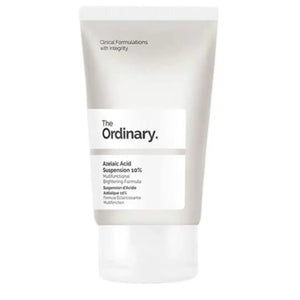 The Ordinary Azelaic Acid Suspension 10% 30mlRs. 3,450
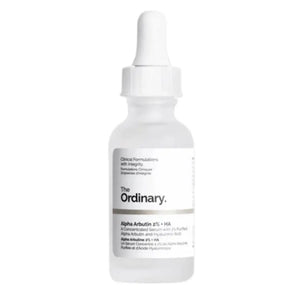 The Ordinary's 30ml Serum with Alpha Arbutin 2% + HARs. 5,129
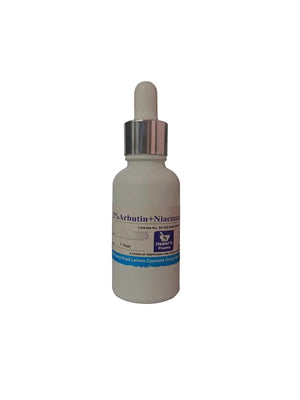 Healers Pharma 2% Arbutin + Niacinamide Brightening Serum — Pores, Oil Control & Acne MarksRs. 1,950
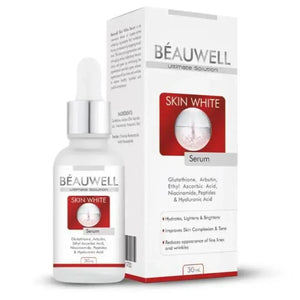 Beauwell Skin Whitening SerumRs. 3,050
 C-Tone Skin Brightening Serum 30mlRs. 1,850
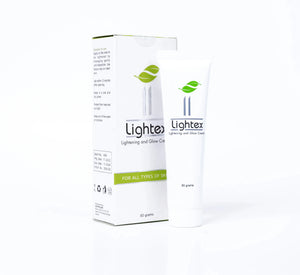 Lightex Skin Lightening Cream with Glutathione 2%Rs. 1,300
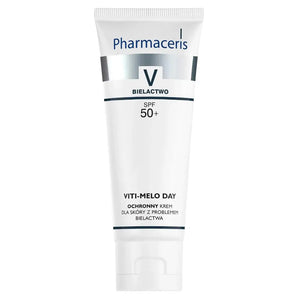 Pharmaceris Viti-Melo Day Cream 75mlRs. 6,250
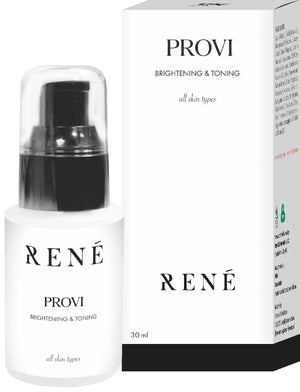 Provi Brightening & Toning Serum for Even Skin Tone – 30mlRs. 1,900
Related articles
 BioAqua Sheet Masks in Pakistan: Pick the Right One for Your Skin (2026)
 Best Budget Body Sprays & Deodorants in Pakistan: Smell Fresh for Less
 Snail Mucin for Skin: Benefits, How to Use It & the Best Products in Pakistan