Bacterial Infections | Antibiotics & Medications for Effective
Calamox IV Injection 1.2g (Amoxicillin/Clavulanic Acid) - Bosch Pharmaceuticals | derma.pk
Synalar-N Cream 30g (Fluocinolone Acetonide + Neomycin)
Pyloclar Tablets 250mg (Clarithromycin) 10 Tablets High-Q International | derma.pk
Keflex 60ml Suspension 250mg (Cephalexin) - AGP Pharma | derma.pk
Calamox DUO 70ml Suspension 400mg/57mg/5ml (Amoxicillin/Clavulanic Acid) - Bosch Pharmaceuticals | derma.pk
Claforan IV/IM Injection 0.25g (Cefotaxime) - Sanofi-Aventis | derma.pk
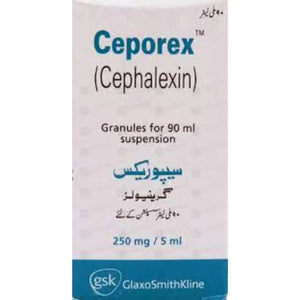
Ceporex Suspension 250mg/5ml 90ml
Moksi Tablets 400mg (Moxifloxacin) - Abbott Laboratories
Prelox Suspension 40mg/5ml 50ml (Cefpodoxime) - Bosch Pharmaceuticals
Zecef 250mg Tablets (14s) by Bosch Pharmaceuticals - Available at derma.pk
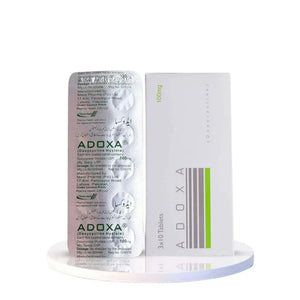
Adoxa Tablets 100mg (Doxycycline) |30 Tablets |- Pharmahealth | derma.pk
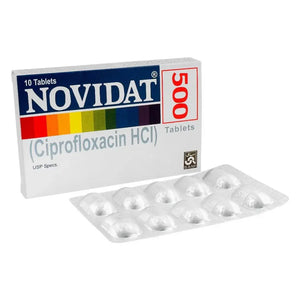
Novidat 60ml Suspension 125mg/5ml (Ciprofloxacin) - Sami Pharma | derma.pk
Frequently Asked Questions
What is a bacterial infection?
A bacterial infection occurs when harmful bacteria invade the body, leading to symptoms like fever, swelling, redness, and pain. It can affect different parts of the body, including the skin, lungs, urinary tract, and gastrointestinal system. Treatment usually involves antibiotics to kill or inhibit bacterial growth.
Can bacterial infections be treated with antibiotics?
Yes, bacterial infections can usually be treated with antibiotics. The type of antibiotic used depends on the specific infection and the bacteria causing it. It is essential to follow your doctor’s advice and complete the full course of antibiotics to ensure the infection is fully treated.
Is it safe to buy antibiotics online?
It is important to buy antibiotics from a trusted, licensed online pharmacy like Derma.pk to ensure the medications are genuine and safe. Avoid buying antibiotics from unverified sources, as counterfeit medications can be harmful.
How do I know if I have a bacterial infection?
Symptoms of bacterial infections can vary, but common signs include fever, swelling, pain, redness, and pus or discharge from a wound. If you suspect a bacterial infection, it’s essential to visit a healthcare provider for diagnosis and treatment.
What are some common bacterial infections?
Common bacterial infections include skin infections (like cellulitis), respiratory infections (such as pneumonia and bronchitis), urinary tract infections (UTIs), and gastrointestinal infections (like food poisoning).
What happens if I don’t treat a bacterial infection?
Untreated bacterial infections can lead to serious complications, including the spread of infection to other parts of the body, sepsis, or permanent damage to affected organs. Early treatment with antibiotics is crucial to prevent these complications.
Should I self-medicate for a bacterial infection?
Self-medication for bacterial infections is not recommended. It’s essential to consult with a doctor or pharmacist for proper diagnosis and the correct antibiotic treatment. Misuse of antibiotics can lead to antibiotic resistance.
Can bacterial infections spread to others?
Yes, many bacterial infections can spread to others through direct contact, airborne droplets, or contaminated surfaces. It’s important to follow hygiene practices like washing hands and avoiding close contact with others while you are infected.
What is antibiotic resistance?
Antibiotic resistance occurs when bacteria evolve and become resistant to the antibiotics that once killed them. This can happen if antibiotics are overused or misused. It’s important to use antibiotics only as prescribed and complete the full course of treatment to prevent resistance.
Can I prevent bacterial infections?
While not all bacterial infections can be prevented, good hygiene practices like washing hands regularly, staying up to date with vaccinations, and avoiding contact with infected individuals can help reduce the risk of bacterial infections.