
Home › Bacterial infections
Bacterial infections
Combat Bacterial Infections with Confidence
Bacterial infections can range from minor skin irritations to life-threatening systemic conditions. At derma.pk, ...

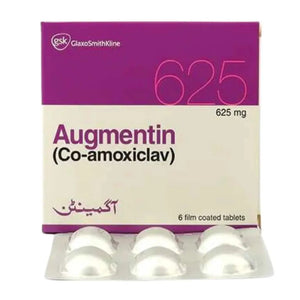 GlaxoSmithKline PakistanAugmentin Tablets 625mg (Pack of 6) - Amoxicillin/Clavulanate for Bacterial Infections - derma.pk
Rs. 578

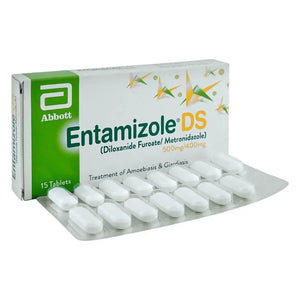 Abbott Laboratories (Pak) LtdEntamizole DS Tablets 500mg/400mg (15 Tablets) - Abbott Labs - derma.pk
Rs. 280
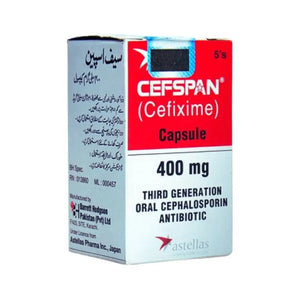

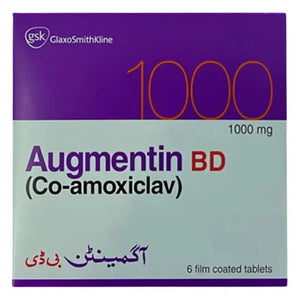 GlaxoSmithKline PakistanAugmentin BD 1000mg Tablets (6 Tablets) - Buy Online in Pakistan at derma.pk
Rs. 321
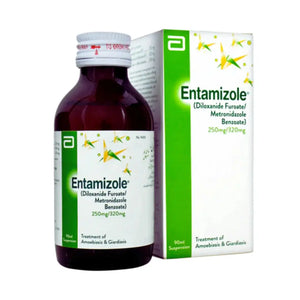 Abbott Laboratories (Pak) LtdEntamizole 90ml Suspension (Diloxanide Furoate & Metronidazole) - Treat Amoebiasis & Giardiasis
Rs. 128
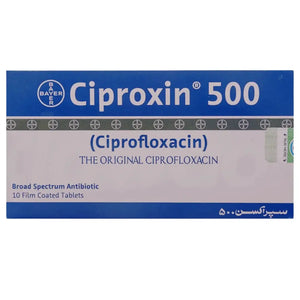
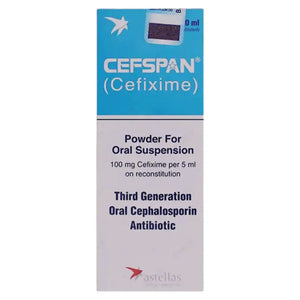
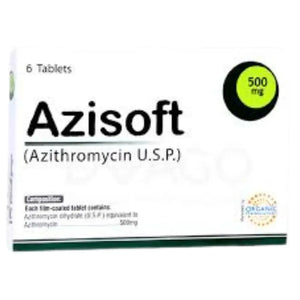
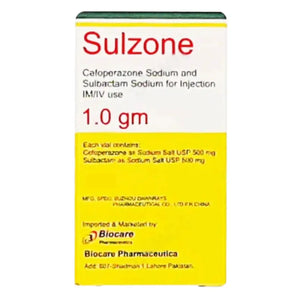
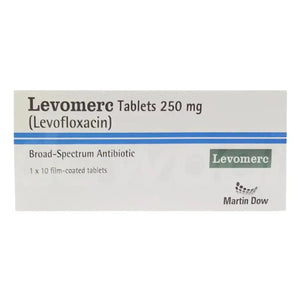
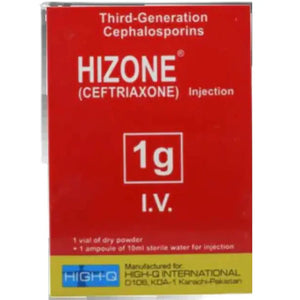
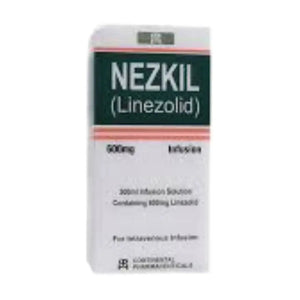 Continental PharmaceuticalsNezkil 300ml Infusion 600mg (Linezolid) - Continental Pharmaceuticals - derma.pk
Rs. 808

Page 1 of 10 · next page →
Combat Bacterial Infections with Confidence
Bacterial infections can range from minor skin irritations to life-threatening systemic conditions. At derma.pk, we provide reliable, pharmacy-grade medications to help you tackle infections efficiently and safely. Bacterial infections are caused by harmful bacteria entering the body and multiplying, affecting the skin, respiratory system, urinary tract, and more. At derma.pk, we offer broad-spectrum antibiotics, topical antibacterials, prescription-based oral antibiotics, and specialized treatments for resistant strains under professional guidance.
Related: Sensitive skin, Body Care, Acne Treatment & Oil Control Products in Pakistan.