
Anti-Acne Products
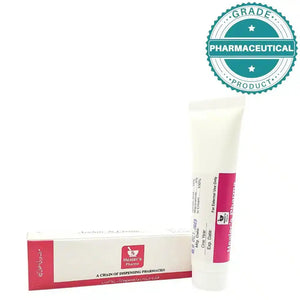
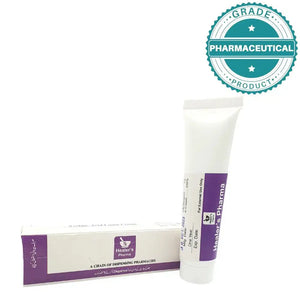
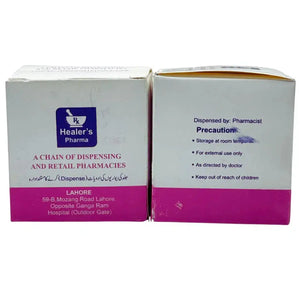
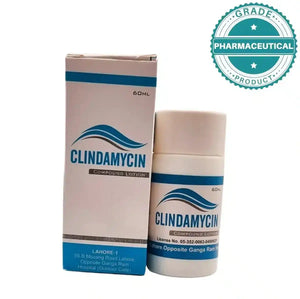 Healer's PharmaClindamycin 1% Sulphacetamide 5% Sulphur 2.5% Compound Lotion 60ml — Acne & Pimples
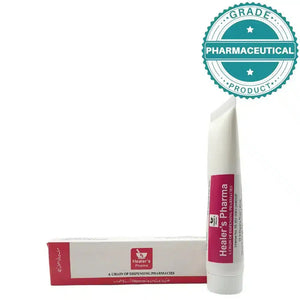
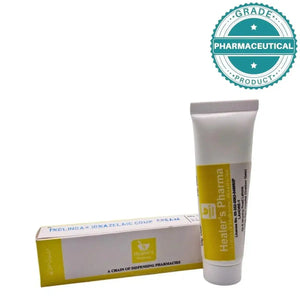
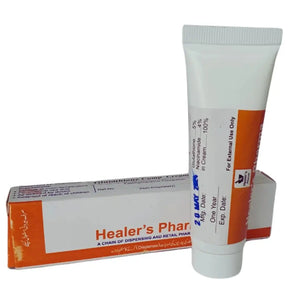 Healer's PharmaGlutathione Compound Cream 5% + Niacinamide 4% — Pores, Oil Control & Acne Marks

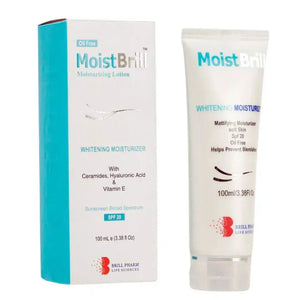 Brill PharmMoistbrill Oil-Free Moisturizer for Oily Skin SPF 20 100ml — Sunscreen, Sunblock, UV Protection
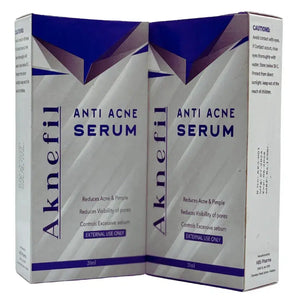


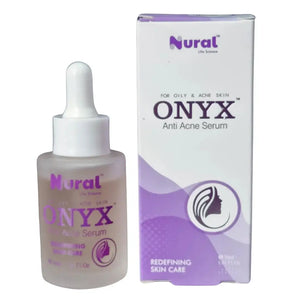


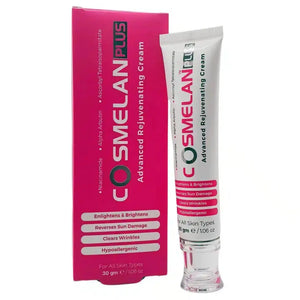


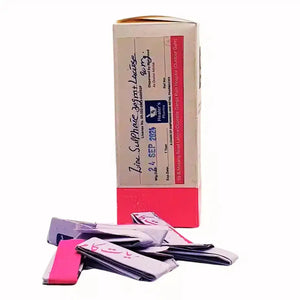

Anti-Acne Products for Clearer Skin
Shop dermatologist-approved acne treatments in Pakistan — cleansers, gels, serums and proven actives for pimples, blackheads and breakouts. All products are authentic with cash on delivery and fast nationwide shipping.
Explore by ingredient & concern
Benzoyl Peroxide, Salicylic Acid, Azelaic Acid, Tretinoin, Acne Scars, Oily Skin Control.
Frequently asked questions
Which acne treatment is best for me?
For mild acne, start with a salicylic acid cleanser or benzoyl peroxide gel. For stubborn or inflammatory acne, dermatologists often add azelaic acid or a retinoid like tretinoin. If acne is severe, consult a dermatologist about isotretinoin.
How long does acne treatment take to work?
Most people see improvement in 4–8 weeks of consistent use. Full results, especially for acne scars, can take 3–6 months.
Can I use benzoyl peroxide and salicylic acid together?
Yes, but introduce them slowly to avoid dryness — many routines use a salicylic acid cleanser with a benzoyl peroxide spot treatment.
Is cash on delivery available in Pakistan?
Yes. Derma.pk offers cash on delivery across all major cities with most orders arriving within 2–4 working days.
Build a Simple Daily Routine
Choosing the right anti acne products starts with a routine that is easy to follow every day. A good collection usually includes a gentle cleanser, a treatment serum, and a lightweight moisturizer that helps protect the skin barrier. These products work best when used consistently, not just when breakouts appear. Look for formulas that help remove excess oil, unclog pores, and reduce redness without causing dryness. When your routine is simple and balanced, it becomes easier to stay consistent, which is one of the most important steps in improving acne-prone skin over time.
Ingredients That Support Clearer Skin
The best anti acne collection should feature ingredients known for helping skin stay clear and calm. Salicylic acid can help clear clogged pores, while benzoyl peroxide may target acne-causing bacteria. Niacinamide is another helpful ingredient because it can support oil control and reduce the look of irritation. For sensitive skin, soothing ingredients like aloe vera or centella asiatica can make a big difference. Choosing products with the right active ingredients matters, but so does finding formulas that match your skin type. A thoughtful combination can help improve breakouts while keeping skin comfortable and healthy.
Choose Products for Your Skin Type
Not every anti acne product works the same way for every person, so skin type should guide your choices. Oily skin often benefits from lightweight gels, foaming cleansers, and non-comedogenic moisturizers that do not block pores. Dry or sensitive skin may need gentler cleansers, hydrating creams, and treatment products used less often to avoid irritation. If you have combination skin, you may want to mix products that control shine in some areas while adding moisture in others. Matching products to your skin type helps you get better results and lowers the risk of redness, flaking, or discomfort.
How to Get the Best Results
Using anti acne products correctly is just as important as choosing the right ones. Start slowly when trying a new treatment, especially if it contains strong active ingredients. This gives your skin time to adjust and helps reduce the chance of irritation. Always follow product directions, and remember that results usually take time. Sunscreen is also important because some acne treatments can make skin more sensitive to sunlight. A good collection should support a full routine that includes cleansing, treatment, hydration, and daily protection. With steady use and the right product mix, clearer-looking skin becomes easier to achieve.