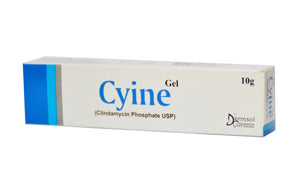
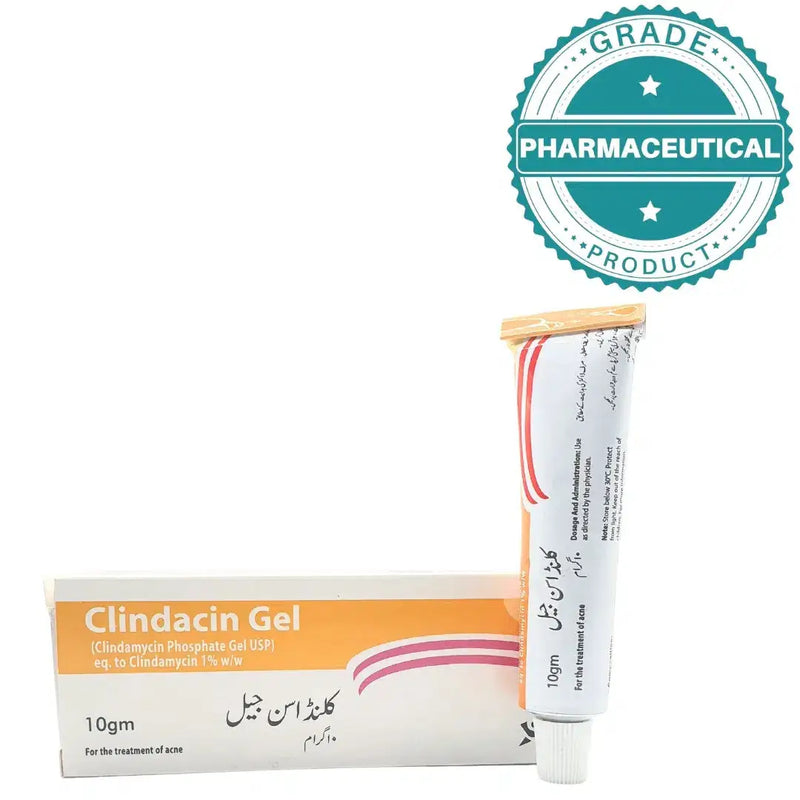
Clindacin Gel 10g (Clindamycin Phosphate 1%) — Acne & Pimples

Pay in 3 Installments of
Rs.
101


 JazzCash
 easypaisa
 NayaPay


 Bank transfer
Cash on Delivery
Bank transfer
Cash on Delivery
Description
Clindacin Gel 10g — Clindamycin Phosphate 1% | Prescription Antibiotic Acne Gel
Clindacin Gel by Sante contains Clindamycin Phosphate equivalent to Clindamycin 1% w/w — a prescription topical antibiotic indicated for acne vulgaris in patients aged 12 and above. It delivers targeted antibacterial action directly to acne lesions, suppressing Cutibacterium acnes bacteria to clear inflammatory breakouts.
Composition
- Clindamycin Phosphate USP equivalent to Clindamycin 1% w/w
How It Works
Clindamycin is a lincosamide antibiotic that inhibits bacterial protein synthesis by binding to the 50S ribosomal subunit. Topically applied, it reduces the density of acne-causing bacteria (Cutibacterium acnes) in the follicles and suppresses inflammatory acne lesions.
Indications
- Acne vulgaris (inflammatory and mixed type) in patients aged 12+
Dosage
Apply a thin layer to affected areas twice daily. Cleanse skin first. Avoid eyes, nose, mouth, and mucous membranes.
Important Precautions
- Complete the full prescribed course — do not stop early
- Antibiotic resistance warning: use only for the prescribed duration and as directed
- Discontinue if severe diarrhoea or gastrointestinal symptoms develop (risk of antibiotic-associated colitis)
- Not recommended in children under 12 (safety not established)
- Consult doctor before use during pregnancy or breastfeeding
Contraindications
- Known hypersensitivity to Clindamycin or Lincomycin
- History of severe colitis associated with Clindamycin use
Storage
Store below 30°C. Protect from light. Keep out of reach of children.
Presentation
Available in a 10g aluminium tube. Browse all gels and lotions. Prescription required. Consult a dermatologist before starting any antibiotic acne treatment.
Usage & Benefits
- Targeted antibiotic action — Clindamycin Phosphate 1% inhibits bacterial protein synthesis, directly eliminating acne-causing bacteria
- Clears inflammatory acne — effective against papules, pustules, and inflammatory lesions of acne vulgaris
- Gel formulation — stays on the lesion longer than lotions for better contact and efficacy
- Reduces acne breakouts — consistent twice-daily use reduces frequency and severity of new breakouts
- Small 10g tube — ideal for spot treatment and targeted application without waste
- Prescription-grade efficacy — proven antibiotic therapy recommended in dermatology guidelines
- For teens and adults — suitable from age 12 upward under medical supervision
How To Use
As directed by your dermatologist. General guidance: Apply a thin layer of Clindacin Gel to affected acne areas twice daily (morning and evening). Cleanse and dry the skin before application. Avoid contact with eyes, nose, mouth, and mucous membranes. Do not apply to broken or severely irritated skin. Complete the full course as prescribed — stopping early may allow acne bacteria to return. Prescription required.
FAQs
Do I need a prescription for Clindacin Gel?
Yes. Clindamycin Phosphate is a prescription-only (Rx) antibiotic in Pakistan. Consult a registered dermatologist before use.
What type of acne does Clindacin Gel treat?
It is indicated for acne vulgaris, particularly inflammatory lesions (papules and pustules) in patients aged 12 and above.
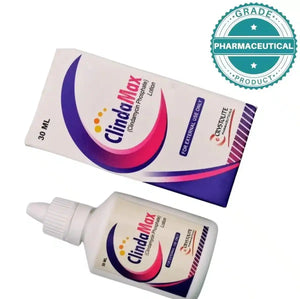
How is Clindacin Gel different from Clindamax Lotion?
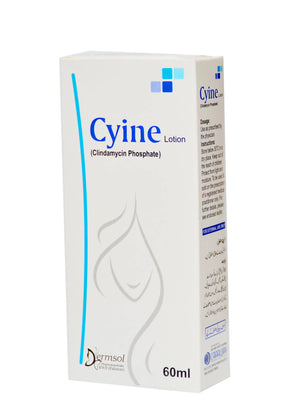
Both contain Clindamycin Phosphate 1%, but differ in formulation. The gel provides higher-concentration contact on individual lesions, making it suitable for targeted spot treatment. The lotion is easier to spread over larger areas.
Can I stop using the gel once my acne improves?
Complete the full course prescribed by your dermatologist. Stopping early can allow resistant bacteria to survive, reducing future effectiveness.
Are there any side effects?
Possible side effects include dryness, skin irritation, oily skin, and rarely gastrointestinal symptoms (diarrhoea). Discontinue and seek medical advice if you experience severe diarrhoea or signs of colitis.
Can Clindacin Gel cause antibiotic resistance?
Prolonged or inappropriate use of topical antibiotics can contribute to antibiotic resistance. Always use as directed and for the prescribed duration only.
Is it safe during pregnancy?
Consult your doctor before use. The benefits and risks should be weighed by a qualified healthcare professional.