
Pimples, Papules, Pustules: A Deep Dive into the World of Acne
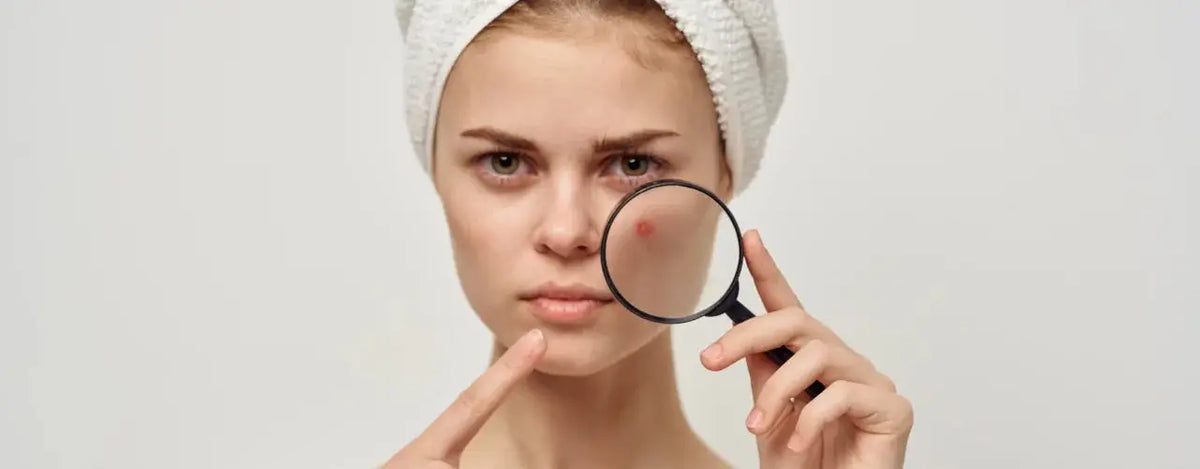
Acne develops when oil (sebum), dead skin cells, and bacteria clog hair follicles. It shows up as whiteheads, blackheads, papules, pustules, nodules, and cysts, most often on the face, neck, chest, back, and shoulders.
Types of Acne
- Whiteheads (closed comedones): small flesh-coloured bumps from trapped sebum beneath the skin.
- Blackheads (open comedones): dark spots where clogged material oxidises and darkens on contact with air.
- Papules: small, red, tender bumps where pore walls become inflamed.
- Pustules: similar to papules but filled with pus, with a white or yellow centre.
- Nodules and cysts: deeper, painful lesions that can lead to scarring.

What Causes Acne
Common drivers include excess sebum production, the bacterium P. acnes thriving in clogged pores, and hormonal changes during puberty, menstruation, pregnancy, or stress. Genetics, diet, certain medications, and pollutants can also play a role.
Treatment Options
Treatment depends on severity and type. Dermatologists often recommend topical anti-acne products with retinoids, salicylic acid, or benzoyl peroxide to unclog pores, oral medications for stubborn cases, and in-clinic procedures like chemical peels or laser therapy to manage breakouts and reduce scarring.

Lifestyle and Skincare Tips
A balanced, low-glycaemic diet, good hydration, and regular exercise to lower stress may help some people. Build a gentle routine: cleanse twice daily with a mild cleanser, choose non-comedogenic products, and always wear a non-greasy sunscreen, since some acne treatments increase sun sensitivity.
When to See a Dermatologist
For persistent or severe acne, a dermatologist can tailor topical, oral, and procedural treatments to your skin and help prevent scarring. Book at Skin Clinic, Lahore, or message us on WhatsApp at 0320-5999650.
Related articles
 BioAqua Sheet Masks in Pakistan: Pick the Right One for Your Skin (2026)
 Best Budget Body Sprays & Deodorants in Pakistan: Smell Fresh for Less
 Snail Mucin for Skin: Benefits, How to Use It & the Best Products in Pakistan