
Understanding Hair Loss: Exploring Causes, Treatments, and Prevention
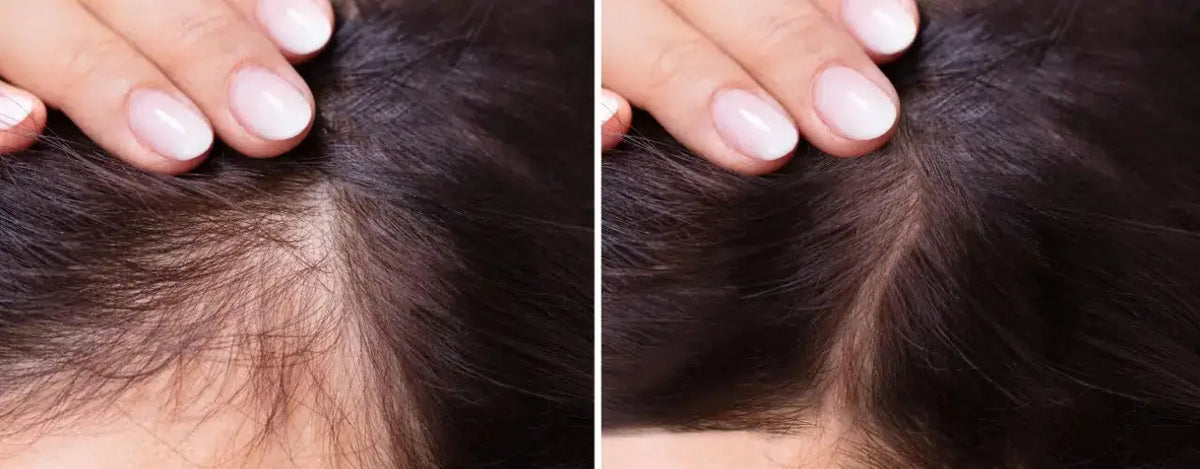
What Is Hair Loss?
Hair loss, medically known as alopecia, is a common concern affecting millions worldwide. From genetics to lifestyle factors, many things contribute to hair fall. Understanding the causes, treatments and preventive measures can help you address it effectively.

Types of Hair Loss
Androgenetic alopecia (pattern baldness)
The most common form, marked by a receding hairline or thinning crown, usually due to genetic predisposition.
Alopecia areata
An autoimmune condition causing patchy hair fall as the immune system attacks hair follicles.
Telogen effluvium
Often triggered by stress, illness or hormonal changes, leading to excessive shedding when the hair growth cycle is disrupted.
Common Causes
- Genetics: family history plays a major role in androgenetic alopecia.
- Hormonal changes: pregnancy, menopause or thyroid disorders can trigger hair fall.
- Medical conditions: scalp infections, nutritional deficiencies and autoimmune or chronic illnesses contribute too.
Treatments for Hair Loss
- Minoxidil: a topical solution that promotes regrowth and slows hair fall.
- Finasteride: a prescription medication for men that blocks DHT to help prevent further loss.
- PRP therapy: platelet-rich plasma injected into the scalp to stimulate growth.
- Hair transplant: moving follicles from dense areas to thinning ones for lasting restoration.
Supportive options such as biotin supplements and nourishing hair oils and serums can complement medical treatment.
Prevention
A balanced diet rich in vitamins, minerals and protein supports hair health, while gentle scalp care and stress management help limit further shedding. For persistent or severe hair fall, consult a dermatologist for a personalised assessment. Book at Skin Clinic, Lahore.
 Snail Mucin for Skin: Benefits, How to Use It & the Best Products in Pakistan
 K-Beauty 101: The Science Behind Korean Skincare's Global Rise
 Under-Eye Dark Circles: Causes & Treatments That Actually Work
 Fungal Skin Infections in Pakistan: Ringworm, Jock Itch & Athlete's Foot